Uganda’s Presidential Election Hit by Internet Blackout, Echoing Tanzania’s Warnings. Kampala, Uganda — Uganda’s January 15 presidential election faced significant challenges as a complete internet blackout was imposed ahead of the polls, coinciding with reports of delays in voting and malfunctions in biometric machines, according to various sources.
The internet blackout, which affected social media, messaging apps, and mobile internet, was justified by the Uganda Communications Commission (UCC) as a measure to maintain public safety and prevent the spread of misinformation.
However, critics argue that the move also makes it harder for independent monitors, journalists, and citizens to share information in real time, fueling suspicion of electoral malpractice. “This is done in order to facilitate the intended rigging of the regime, otherwise why would the people of Uganda be denied the right to communicate and why Ugandan elections should be held in the dark?”Bobi Wine, a major opposition contender, said during the polls.
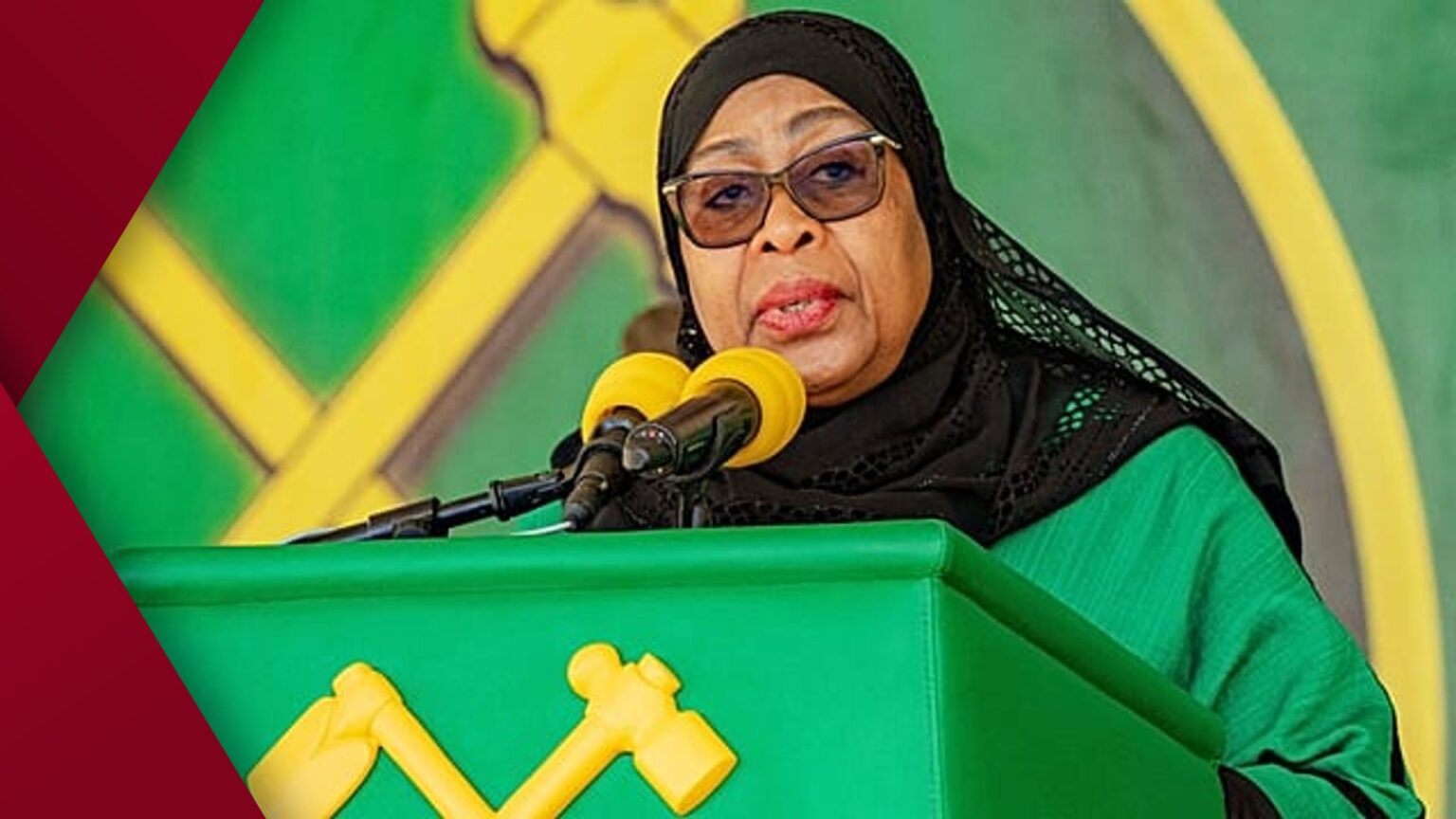
The timing of the internet shutdown is particularly notable as it occurred on the same day Tanzania’s President Samia Suluhu Hassan publicly reflected on similar internet blackouts in her country, acknowledging that they had caused “serious challenges “for voters, businesses, and media. Her remarks highlight a growing debate across Africa about the use of internet shutdowns during politically sensitive moments.
In recent years, countries like Ethiopia, Sudan, and Guinea have all restricted digital access during elections or political unrest, often citing national security and misinformation as reasons.
Rights groups, however, warn that such actions undermine democracy, delay results, and disrupt everyday life, from banking to communication. Officials commented on the matter.
He adds that cutting off access undermines transparency and confidence in the vote.
As elections continue across the continent this year, citizens, journalists, and investors are watching closely.
The debate over internet shutdowns during elections remains a contentious issue, with some governments viewing them as necessary tools to maintain order, while others argue they represent a threat to democracy itself. Further details are expected as the situation unfolds.
*Additional reporting by ImNews | Sources consulted: 5*