Somalia: Malnutrition and Preventable Diseases Surge Amid Drought Emergency. MOGADISHU, Somalia — Somalia is addressing a severe health crisis, marked by a sharp rise in malnutrition cases and outbreaks of preventable diseases, Doctors Without Borders (MSF) reported.
The situation has been exacerbated by consecutive failed rainy seasons, soaring water prices, and significant cuts in humanitarian aid.
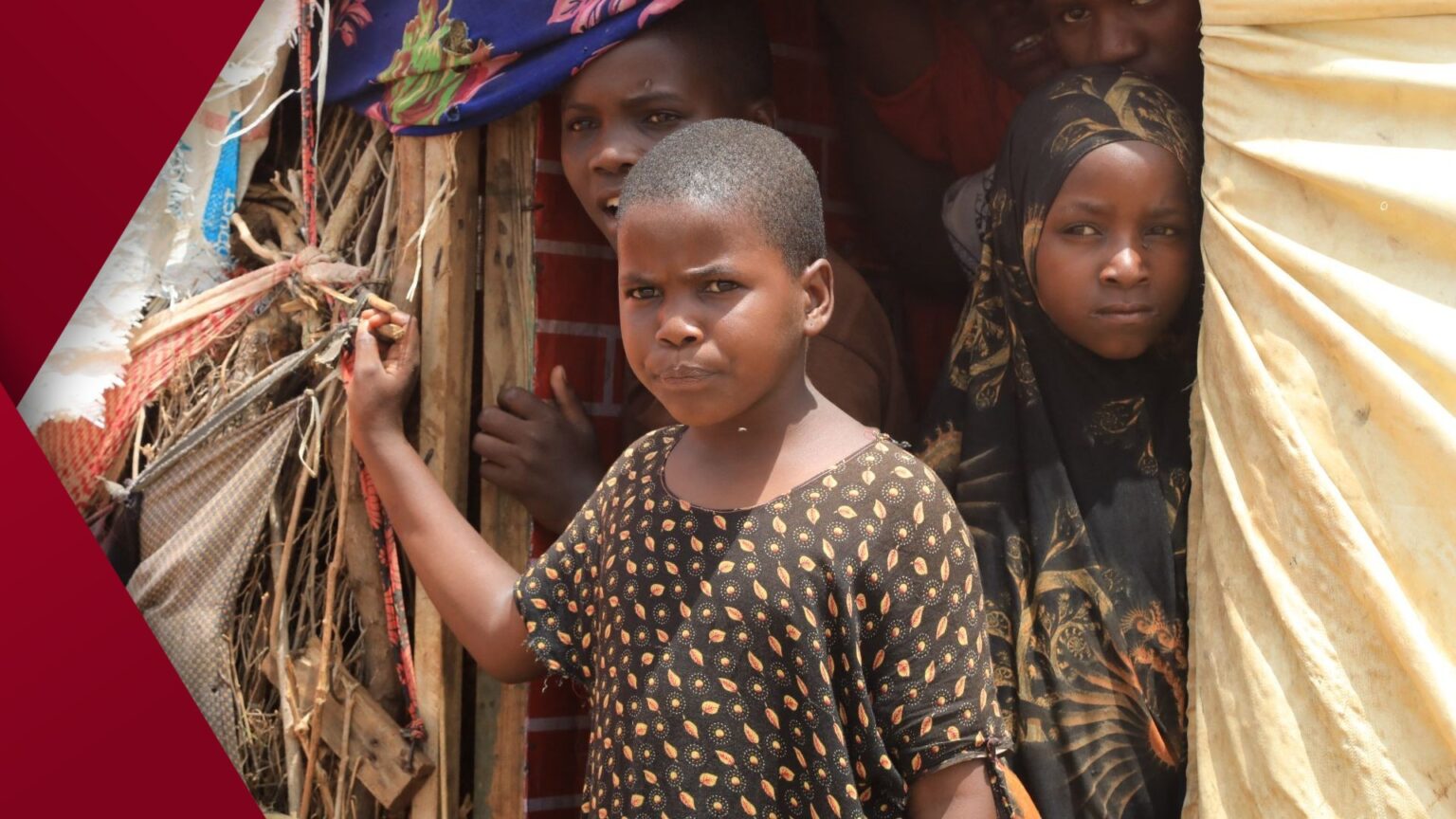
According to MSF, teams in Somalia have observed a concerning trend, with an increasing number of children arriving at overcrowded camps suffering from severe acute malnutrition and diseases such as measles, diphtheria, and acute watery diarrhoea. “We are seeing children arriving at our hospitals in critical condition, often after traveling for days without food or water, “said Allara Ali, MSF’s project coordinator in Somalia.
The East African nation declared a drought emergency in November 2025, following a series of failed rainy seasons.
United Nations assessments had warned that 4. 4 million people could face crisis-level or worse food shortages by the end of 2025, including 1.
85 million children under five at risk of acute malnutrition.
More than 3. 3 million people have been displaced, many crowding into camps in Baidoa and Mudug.
Aid agencies report that health and nutrition facilities have closed nationwide, and food assistance has dropped significantly.
In Baidoa, MSF recorded a 48 percent increase in admissions for severe acute malnutrition in October compared with the previous month.
The cost of water has surged, making it unaffordable for many families. “We cannot afford water, “said Kaltuma Kerow, a mother living in a displaced persons camp in Baidoa. “.
We are extremely short of food and water, and we fear diseases like cholera.”
MSF has launched emergency water trucking in Baidoa, delivering more than 6 million liters of safe drinking water.
However, aid workers say these measures are insufficient given the scale of the crisis.
The organisation is urging donors and authorities to scale up nutrition programmes, vaccination campaigns, and water services while investing in climate — resilient water infrastructure and sustained support for essential healthcare. “
The current humanitarian response is leaving millions without access to basic healthcare, food, or water, “said Elshafie Mohamed, MSF’s country representative in Somalia. “Without a coordinated, multisector response, deaths from preventable causes will continue to rise in the months ahead.”.
Further details are expected as the situation develops.
*Additional reporting by ImNews | Sources consulted: 4*