Dakar, Senegal — Mali is addressing a severe security crisis following a series of coordinated attacks that have targeted military installations, the airport, and the residence of the Defense Minister, Sadio Camara. These attacks, which commenced on April 25, 2026, have heightened concerns over the stability of a nation that has been under military rule since a coup in 2021.
The attacks were claimed by the al — Qaeda-linked Jama’at Nusrat al-Islam wal-Muslimin (JNIM) and the Tuareg rebels of the Azawad Liberation Front (FLA).
The situation has been further complicated by Mali’s military junta, which has distanced itself from Western partners and strengthened ties with Russia’s Africa Corps.
The coordinated nature of the attacks, spanning multiple regions, has led to a curfew in Bamako and the temporary closure of the Modibo Keïta International Airport.
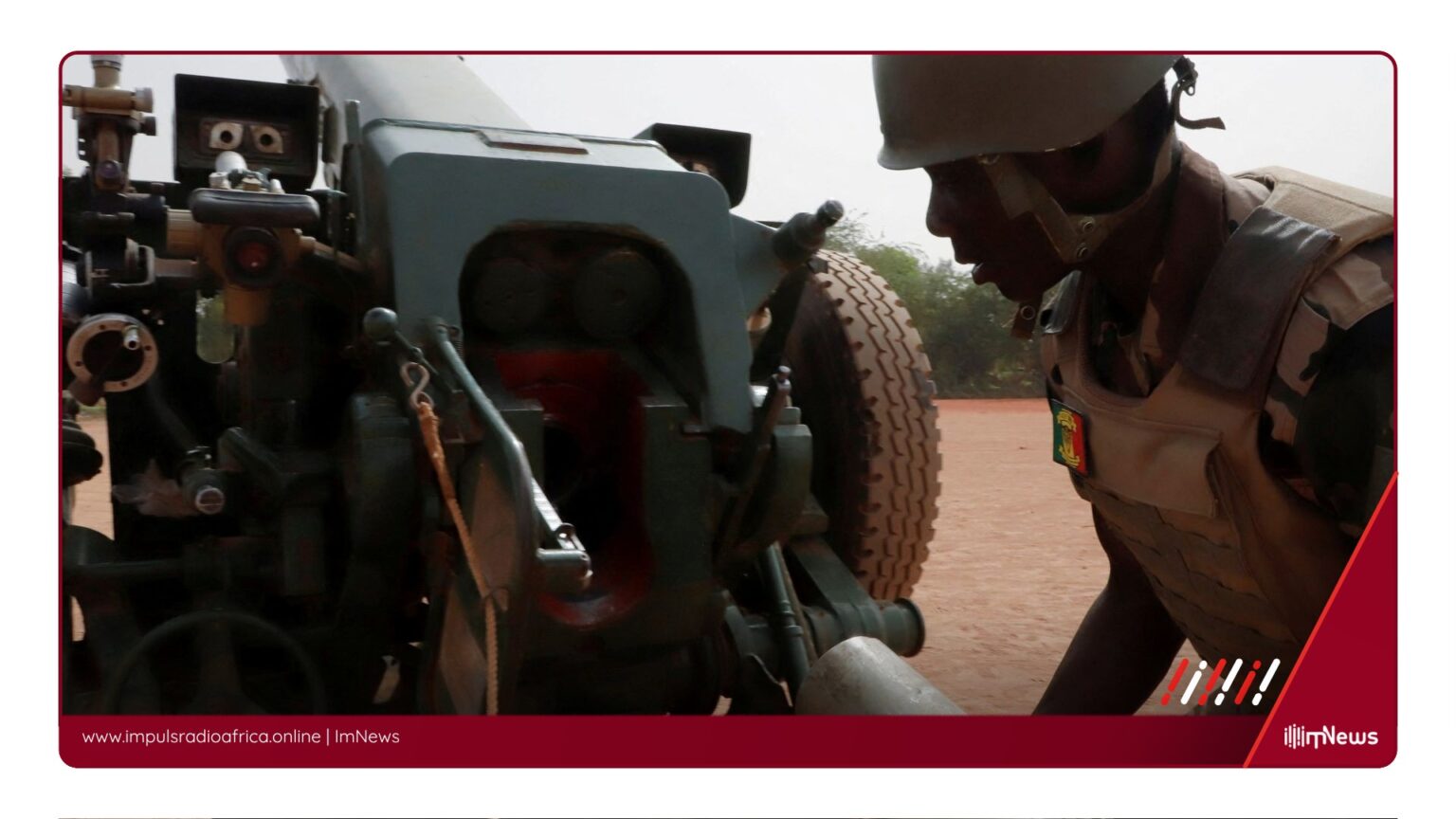
The Malian military has claimed to have the situation under control, but reports indicate ongoing fighting and a high level of insecurity.
The African Union, United Nations, and United States have condemned the violence and expressed concern for the safety of civilians. Analysts suggest that the attacks may be a response to the military junta’s shift away from Western support and towards Russia. Mali’s security situation has been further complicated by the presence of Russian mercenaries from the Africa Corps.
The involvement of foreign actors in the conflict has raised questions about the long — term strategic impact of these attacks on Mali’s security and political landscape.
The international community is closely monitoring the situation in Mali, with calls for a peaceful resolution to the crisis.
The implications of the involvement of Russian mercenaries for the conflict in Mali remain unclear, but the situation underscores the complexities of Mali’s ongoing conflict. What is the long-term strategic impact of these attacks on Mali’s security and political landscape? How will the international community respond to the crisis?
The situation on the ground is fluid, and the situation could evolve rapidly.
As Mali faces this new wave of violence, the nation’s future remains uncertain, with the international community watching closely.
*Additional reporting by ImNews | Sources consulted: 5*
—
This original article was produced by the ImNews editorial team
Source: aljazeera
Source: Al Jazeera Staff