Global Loss and Damage Fund Offers Hope as Africa Faces Rising Climate Costs. City, Country — Africa is addressing a staggering annual loss of nearly 200 billion dollars due to climate-related destruction, prompting a closer look at the newly established Loss and Damage Fund, according to Business Africa.
The fund, created at COP27, aims to provide financial support to developing nations struggling with the devastating impacts of climate change.
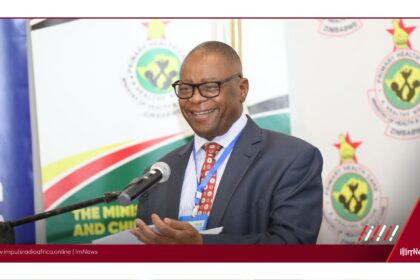
Ibrahima Cheikh Diong, the Executive Director of the Fund for Responding to Loss and Damage, highlighted progress in establishing the institution but emphasized that key questions remain regarding financing and implementation. Africa, a region highly susceptible to climate shocks, is already witnessing the destruction of infrastructure, agricultural losses, and threats to food security.
A significant development for the fund’s operationalization is the adoption of the Barbados Implementation Modalities, which detail the financing mechanism and how affected countries can access support.
For African economies battling debt and development challenges, the fund’s success could be pivotal in their response to climate disasters. Beyond climate risks, global geopolitical tensions are also impacting African economies.
The Strait of Hormuz, a crucial oil transit corridor, has seen periodic crude price spikes due to tensions, affecting import — dependent economies like Ghana and Zambia.
These higher prices can lead to increased fuel costs, transport fares, and food prices, further straining supply chains and everyday living expenses.
In Namibia, the government is preparing a major shift in economic policy, aiming to formalize the country’s informal sector, which employs over half of the national workforce. This move is intended to boost tax revenues and improve access to financial services and social safety nets.
However, the transition could be challenging for small traders and entrepreneurs, who may face new regulatory requirements and compliance costs.
As African economies navigate the dual pressures of climate change and global market volatility, policymakers are under increasing pressure to balance resilience, growth, and social protection.
The success of the Loss and Damage Fund could play a crucial role in their efforts to mitigate the impacts of climate — related disasters.
Further details are expected as the fund continues to develop and the region adapts to its changing climate and economic landscape.