Maputo, Mozambique — A comprehensive Flow Monitoring Survey Report released by the International Organization for Migration (IOM) reveals the intricate tapestry of cross-border movements in Southern Africa, with Mozambique at the heart of this dynamic.
The report, covering the period from November 2025 to January 2026, underscores the significant movement of individuals across borders within the region.
The study indicates that a total of 44,055 cross-border movements were recorded during the specified period.
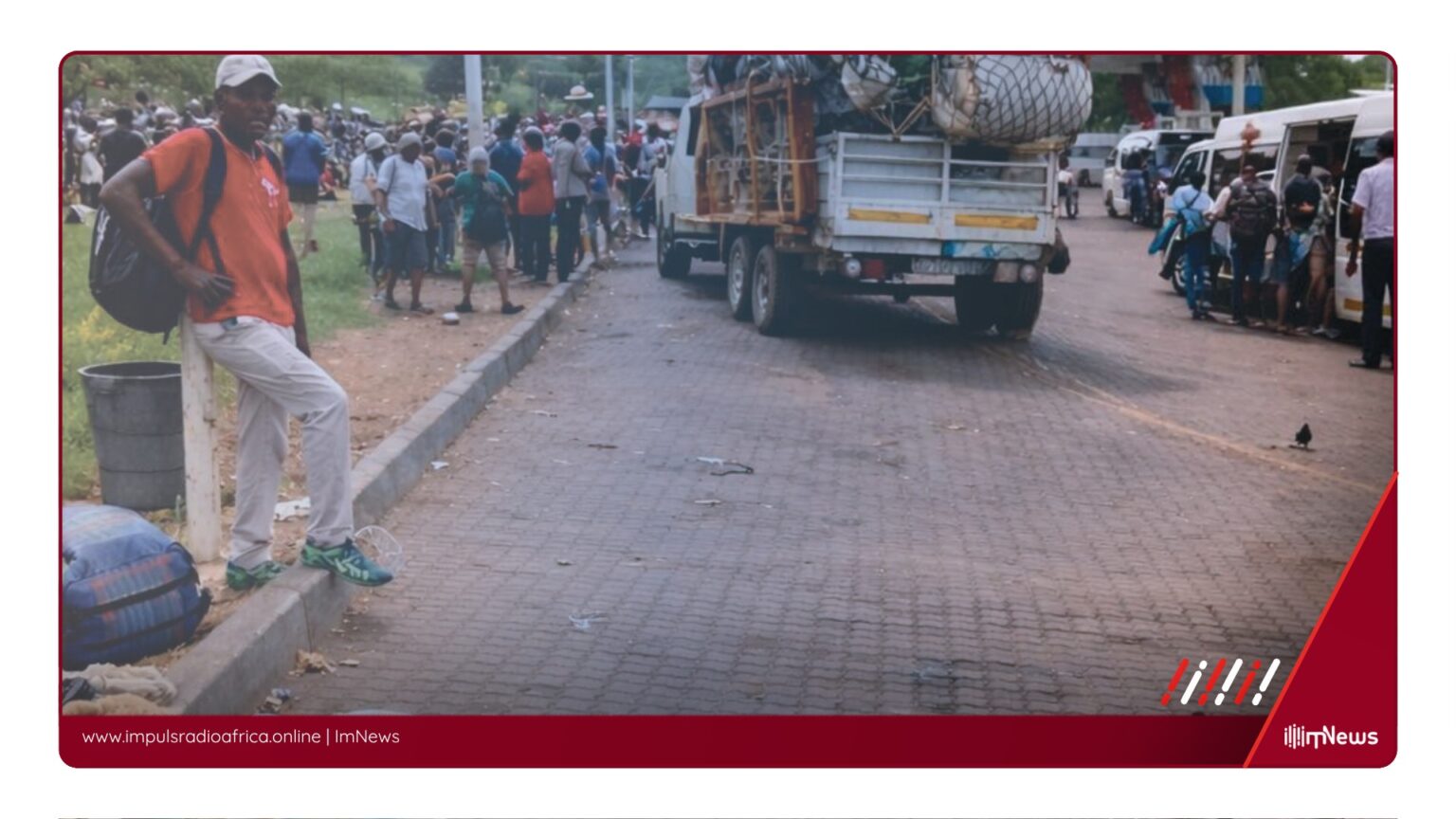
A detailed analysis of the 1,887 migrants interviewed across two key transit routes, Ressano Garcia and Zobue, provides insights into the migration patterns in the region. Approximately 52 per cent of the interviewed migrants were entering Mozambique, while 48 per cent were departing to neighboring countries, primarily South Africa, Malawi, and Zimbabwe. These movements are predominantly driven by short-term economic opportunities, including trade and temporary labor migration.
The demographic breakdown of the migrants shows that 60 per cent were male, with a significant portion of the female migrants also engaged in similar economic activities. Transportation modes for these movements were primarily buses (50%), followed by walking (21%), and private cars (13%).
The data, while providing a snapshot of the migration dynamics, also highlights the reliance on various transportation methods in the region.
The report also reveals that 38 per cent of the migrants reported Malawi as their country of habitual residence, followed by Mozambique (36%), Zimbabwe (13%), and South Africa (9%). This distribution reflects the predominant intra-regional mobility within Southern Africa.
The findings of the IOM’s Flow Monitoring Survey Report underscore the complexities of migration in Southern Africa, particularly in Mozambique, where economic drivers are shaping the movement of individuals across borders.
As the region grapples with the challenges of economic migration, the report serves as a crucial tool for understanding and addressing the needs of the migrant population.
The IOM’s report not only offers a detailed analysis of cross-border movements but also underscores the importance of understanding the economic drivers behind these movements.
As Southern Africa continues to evolve, such data — driven insights will be vital in shaping policies and programs aimed at addressing the needs of both host and migrant communities.
*Additional reporting by ImNews | Sources consulted: 5*
—
This original article was produced by the ImNews editorial team
Source: reliefweb
Source: International Organization for Migration