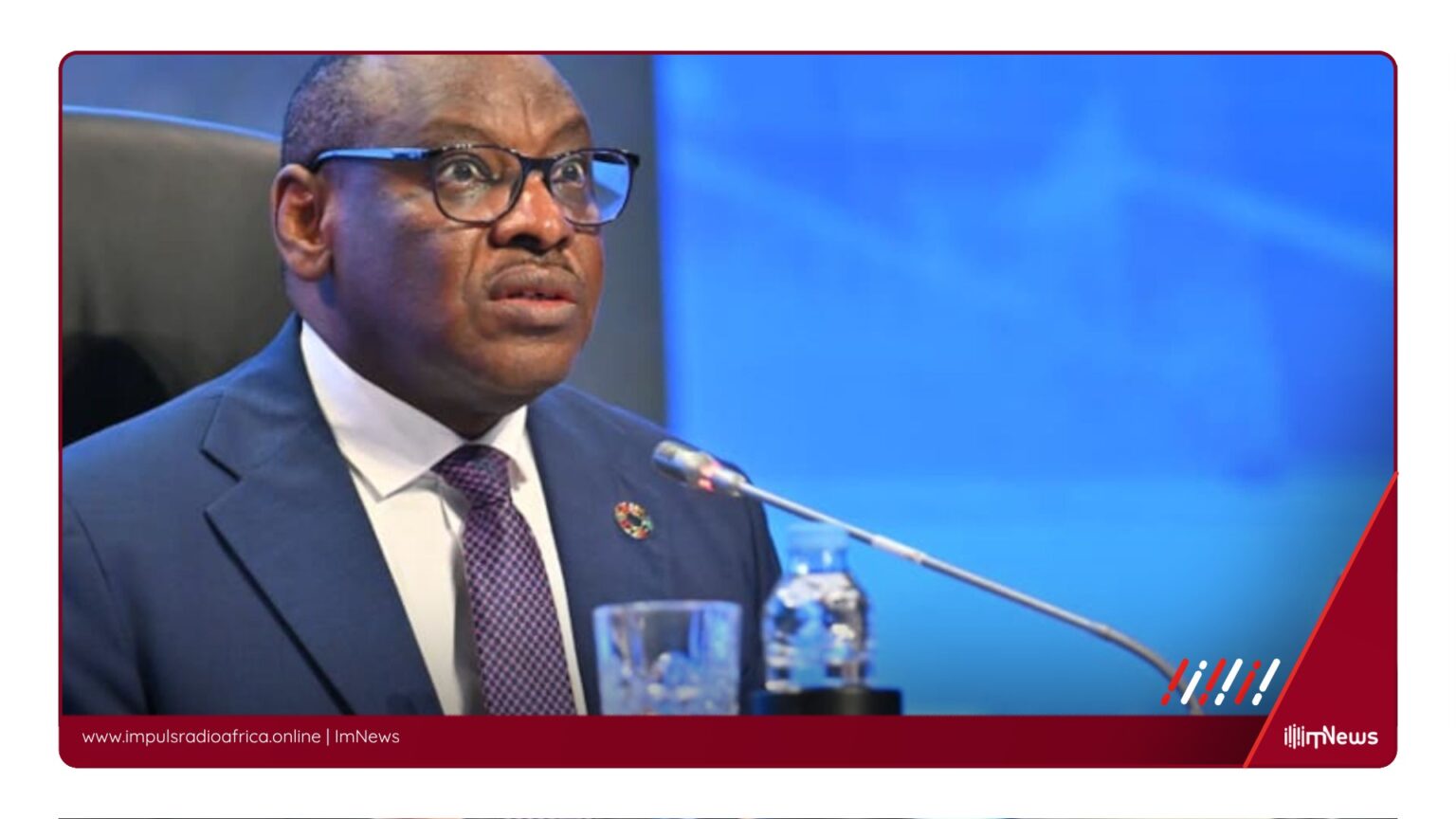
Africa’s Digital Renaissance: The Claver Gatete Agenda for Economic Transformation. Nairobi, Kenya — The Economic Commission for Africa (ECA) has sounded the alarm for a paradigm shift in Africa’s economic landscape, with Executive Secretary Claver Gatete advocating for ‘power, connect, and digitize’as the cornerstones for remaining competitive in the 21st century. Speaking at the 58th Session of the Conference of African Ministers of Finance, Planning, and Economic Development, Gatete underscored the imperative of digital transformation for sustainable growth across the continent.
The ECA’s vision is holistic, encompassing energy and infrastructure investment, data sovereignty, job creation, skills development, and fostering innovation. Gatete’s emphasis on these areas is a strategic response to the projected growth rate of 4. 3% for Africa in 2026, aiming to navigate the complexities of high debt burdens and the economic reverberations of global geopolitical tensions.
‘Power, connect, and digitize’is more than a catchphrase; it is a roadmap for Africa’s economic future. Gatete’s push for innovation-led growth, fueled by data and cutting-edge technologies such as Artificial Intelligence (AI), points to a potential economic boost of $1. 2 trillion for Africa by 2030.
However, the journey is not without its hurdles, including energy deficits, connectivity challenges, and the pressing need for skilled labor.
The ECA’s focus on regional integration and collaborative efforts is a strategic approach to tackle these challenges collectively. Amidst the current global geopolitical climate, which poses potential obstacles, the consensus on digital transformation remains robust, although opinions vary on its effective implementation. Data sovereignty, in particular, has become a contentious issue, with concerns over governance frameworks and the potential for data exploitation.
The ECA’s proposed sovereign data embassies reflect a commitment to economic security and continental integration.
The African Continental Free Trade Area (AfCFTA) plays a pivotal role in this strategy, aiming to create a single market for goods and services across the continent, thereby boosting economic growth and development.
The Africa Energy Transition Strategy and Action Plan (ETSAP) is a roadmap for a just, inclusive, and sustainable low-carbon energy system by 2063, aligning with Agenda 2063, the African Union’s master plan for Africa’s transformation.
The path to Africa’s economic transformation is fraught with challenges, but the potential rewards are substantial. By embracing digital transformation and harnessing its resources, Africa is poised to craft a more prosperous and competitive future.
As Gatete succinctly stated, “No country can compete in the 21st century on analog foundations.”.
The time to power, connect, and digitize Africa’s economies is indeed now.
The roadmap is clear, but the journey will demand determination, collaboration, and innovation.
*Additional reporting by ImNews | Sources consulted: 5*
—
This original article was produced by the ImNews editorial team
Source: Panafricanvisions
Source: Pan African Visions