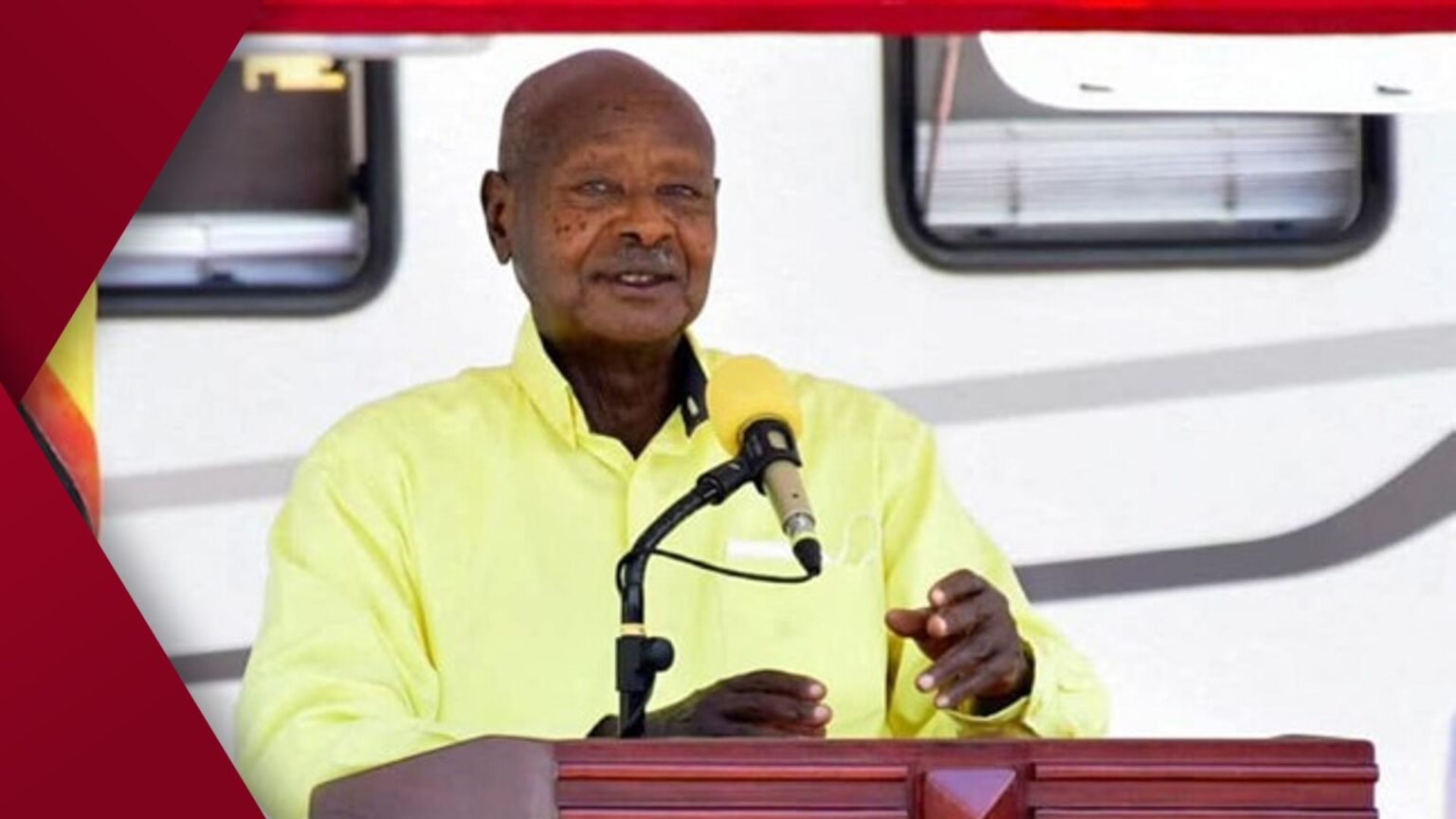
Uganda’s 2026 Election: Continuity and Uncertainty Amidst Museveni’s Rule. Kampala, Uganda — As Uganda prepares for the upcoming 15 January 2026 presidential election, the political climate remains marked by the enduring reign of Yoweri Museveni and the unresolved question of succession. Despite the assumption that Museveni will secure another term, the political landscape has undergone subtle shifts within the opposition and the ruling party.
Museveni’s rule, now in its fourth decade, is characterized by a personalized state, where power has become existential rather than a temporary stewardship.
According to scholars like Mahmood Mamdani, long — serving African leaders fear elections not just the loss of office, but the loss of the entire edifice of power that has accumulated around them over the years.
The opposition has seen the rise of figures like Bobi Wine, a popular musician turned politician, whose National Unity Platform has challenged traditional party structures and ethnic alignments.
His ability to resonate with young Ugandans highlights the potential for political disruption, though the regime’s response has been characterized by violence and suppression. Opposition leader Kizza Besigye, who has faced repeated arrests and charges, represents a symbolic threat to the Museveni regime.
His persecution reflects the regime’s fear of precedent, as allowing him to survive politically could embolden others, according to Ugandan scholar Joseph Oloka-Onyango.
The opposition has not been immune to internal challenges, with fragmentation, infiltration, and co — optation becoming familiar tactics in Museveni’s political strategy.
The regime’s genius, as observed by Ghanaian political economist Eboe Hutchful, lies in its ability to neutralize rivals without outright banning them.
The issue of succession remains a critical undercurrent.
Museveni’s son, Muhoozi Kainerugaba, has been rapidly rising within the military and has taken on an increasingly political role. His rise suggests careful groundwork for a potential transition, despite the constitutional ban on serving military officers holding political office.
Succession, as noted by South African political scientist Adam Habib, is not just about who rules next but about who controls the transition and whose narrative of history prevails.
The institutions in Uganda, long subordinated to executive power, offer little assurance for a peaceful transition. Uganda’s 2026 election is less about choice at the ballot box and more about the renegotiation of power within a system designed to resist change.
The future remains uncertain, with questions about Museveni’s ability to orchestrate a controlled succession, the stability of Muhoozi’s rise, and the resilience of the opposition.
Further details are expected as the election approaches.