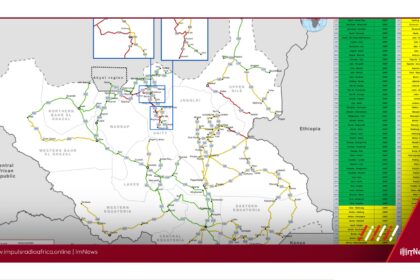
A newly released map by the United Nations High Commissioner for Refugees (UNHCR) illustrates the population distribution of refugees, returnees, and internally displaced persons (IDPs) in South Sudan as of February 28, 2026. The map provides a comprehensive view of the current displacement situation in the country, reflecting ongoing challenges faced by vulnerable populations.
The map reveals that the majority of displaced individuals are located in areas affected by conflict, with significant concentrations observed in Jonglei, Upper Nile, and Unity states. The data highlights the urgency of addressing the root causes of displacement, including insecurity and limited access to basic services. “The map serves as a stark reminder of the human cost of conflict and the need for sustained efforts to protect and assist displaced individuals, “said a UNHCR spokesperson. “.
It underscores the importance of providing durable solutions for those who have been forced to flee their homes.”The map also indicates that the number of returnees has been on the rise, with many individuals returning to their areas of origin due to improved security and access to basic services. However, the return process remains complex, with challenges such as land disputes and lack of access to resources hindering the process.
In the face of these challenges, the government of South Sudan, along with international partners, is working to address the needs of displaced populations. This includes efforts to provide shelter, food, and healthcare, as well as initiatives aimed at promoting peaceful coexistence and reconciliation.
The UNHCR map provides a valuable tool for policymakers, humanitarian organizations, and the public to understand the displacement situation in South Sudan. It underscores the need for a coordinated and comprehensive approach to address the complex challenges faced by vulnerable populations.
Source: UNHCR