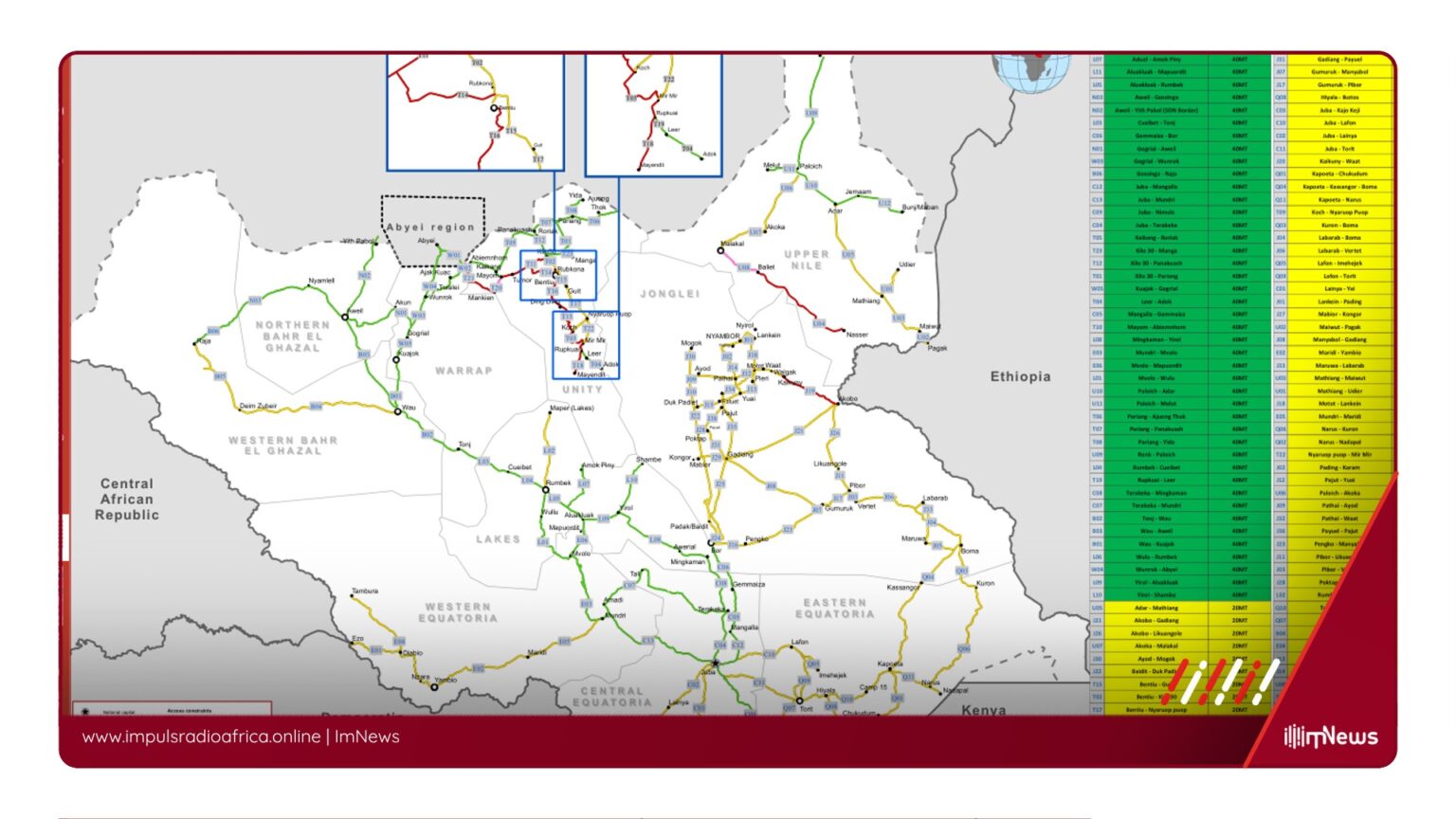
South Sudan’s Humanitarian Crisis: Overcoming Physical Access Constraints Amidst Flooding and Conflict. Khartoum, Sudan – As of May 2026, South Sudan faces a dire humanitarian crisis compounded by severe physical access constraints.
The situation is exacerbated by seasonal flooding, renewed conflict, and bureaucratic delays, leaving over 10 million people, two-thirds of the population, in need of assistance.
The flood season has reached ‘Severity Level 5’in areas like Nasir, Ulang, and Fangak, isolating these regions and causing a sharp deterioration in living conditions. Government restrictions and active hostilities are blocking vital routes, with Jonglei State having healthcare access blocked for approximately 400,000 people.
Additionally, administrative delays in tax exemption processing have doubled, causing delays in the delivery of WASH and shelter supplies.
South Sudan’s humanitarian crisis has deep roots, dating back to its independence in 2011. Ongoing conflict and environmental challenges, including extreme weather events, have exacerbated the impact of the crisis.
The country’s vulnerability to flooding is further compounded by the influx of refugees and returnees, placing immense pressure on its already strained resources.
The Logistics Cluster and World Food Programme have highlighted the environmental and security challenges faced by South Sudan, emphasizing the need for urgent humanitarian action.
The European Parliament’s report underscores the broader regional implications of the humanitarian crisis, noting the significant number of people requiring assistance and the displacement crisis. UNOCHA’s Humanitarian Needs and Response Plan for 2026 outlines the complex socio-economic pressures on South Sudan.
The plan highlights the need for coordinated efforts to address the crisis, including improving access to essential services and ensuring the delivery of humanitarian aid to those in need.
The situation in South Sudan is a stark reminder of the challenges faced by countries emerging from conflict.
The international community must continue to support South Sudan in its efforts to rebuild and provide for its people.
This includes addressing the physical access constraints that hinder the delivery of aid and the provision of essential services.
The Logistics Cluster and World Food Programme have called for increased efforts to improve access to affected areas, including the removal of bureaucratic hurdles and the establishment of safe routes for aid delivery.
The European Union and its member states have also been urged to provide additional support to address the humanitarian crisis in South Sudan.
As South Sudan grapples with the dual threats of flooding and conflict, the international community must remain vigilant and committed to supporting the country’s efforts to overcome these challenges.
The success of these efforts will depend on the coordinated efforts of all stakeholders, including the government, international organizations, and the humanitarian community.
The situation in South Sudan is a testament to the resilience of its people and the importance of international solidarity.
As the country continues to rebuild, the international community must stand together to ensure that those most in need receive the assistance they require to rebuild their lives and communities.
*Additional reporting by ImNews | Sources consulted: 5*
—
This original article was produced by the ImNews editorial team
Source: reliefweb
Source: Logistics Cluster