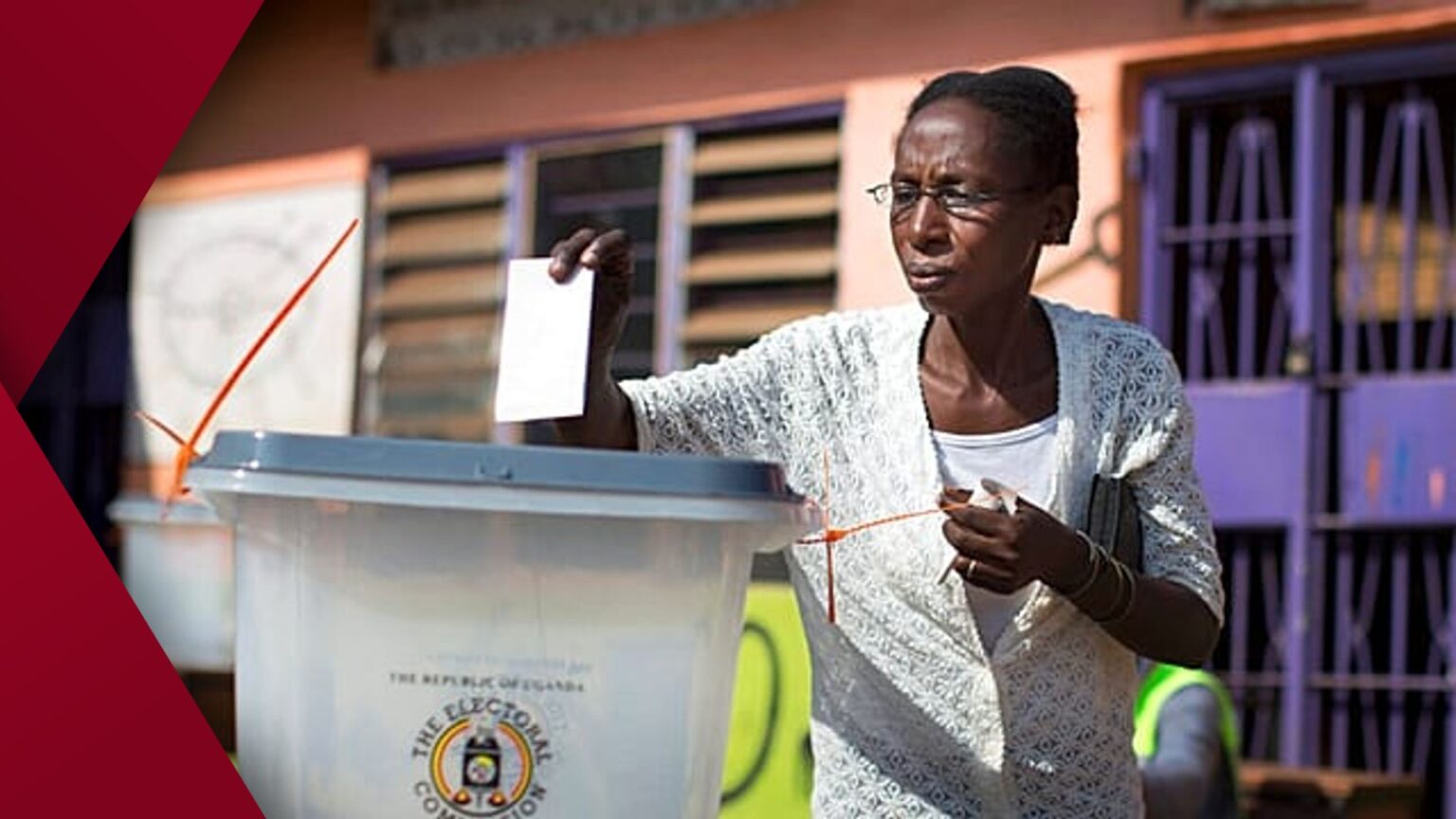
Uganda: Civil Society Struggles Amidst Election Monitoring Suspension. Kampala, Uganda — Days before Uganda’s presidential polls on January 15, 2026, the usual pre-election buzz is overshadowed by a concerning development.
The Human Rights Watch reported on January 12 that Uganda’s National Bureau for Non-Governmental Organizations (NBNGO) ordered at least 10 nongovernmental organizations (NGOs) to halt their operations indefinitely.
The suspended organizations encompass human rights, media, and election monitoring groups.
The sudden suspension has raised alarm among opposition leaders, international observers, and ordinary Ugandans. Critics argue that the move at the eleventh hour undermines transparency and increases the risk of electoral malpractice, especially in a race where President Yoweri Museveni is seeking a seventh term after over 40 years in power.
For many Ugandans, the impact is immediate.
These organizations are crucial for navigating the election process, verifying polling station arrangements, and reporting irregularities. Their absence leaves voters with fewer independent sources of information, coinciding with rising tensions in Kampala’s public spaces.
The crackdown also raises broader questions about civic space and democracy in Uganda. International bodies, including the UN, have warned that such measures create a “repressive climate “that undermines citizens’right to freely engage in the political process. Despite these challenges, some activists are adapting.
Local networks are discreetly sharing information, and citizens are using word — of-mouth channels to report concerns.
However, the stakes are high, as the absence of watchdogs could tip the balance between a contested vote and a managed outcome.
As the nation approaches election day, the question remains: can voters trust the process when those tasked with holding it accountable are being silenced?
The answer may not only define this election but also shape Uganda’s democratic path for years to come.
*Additional reporting by ImNews | Sources consulted: 5*