Top 10 Best-Governed Countries in Africa, Ranked by World Economics Governance Index 2026 City, Country — African nations are showcasing advancements in political rights and press freedom, reflecting a growing trend towards democratic openness.
However, challenges such as weak rule of law and corruption continue to hinder overall governance performance across the continent.
The World Economics Governance Index 2026, which evaluates countries based on corruption levels, rule of law, press freedom, and political rights, provides a comprehensive look at governance effectiveness.
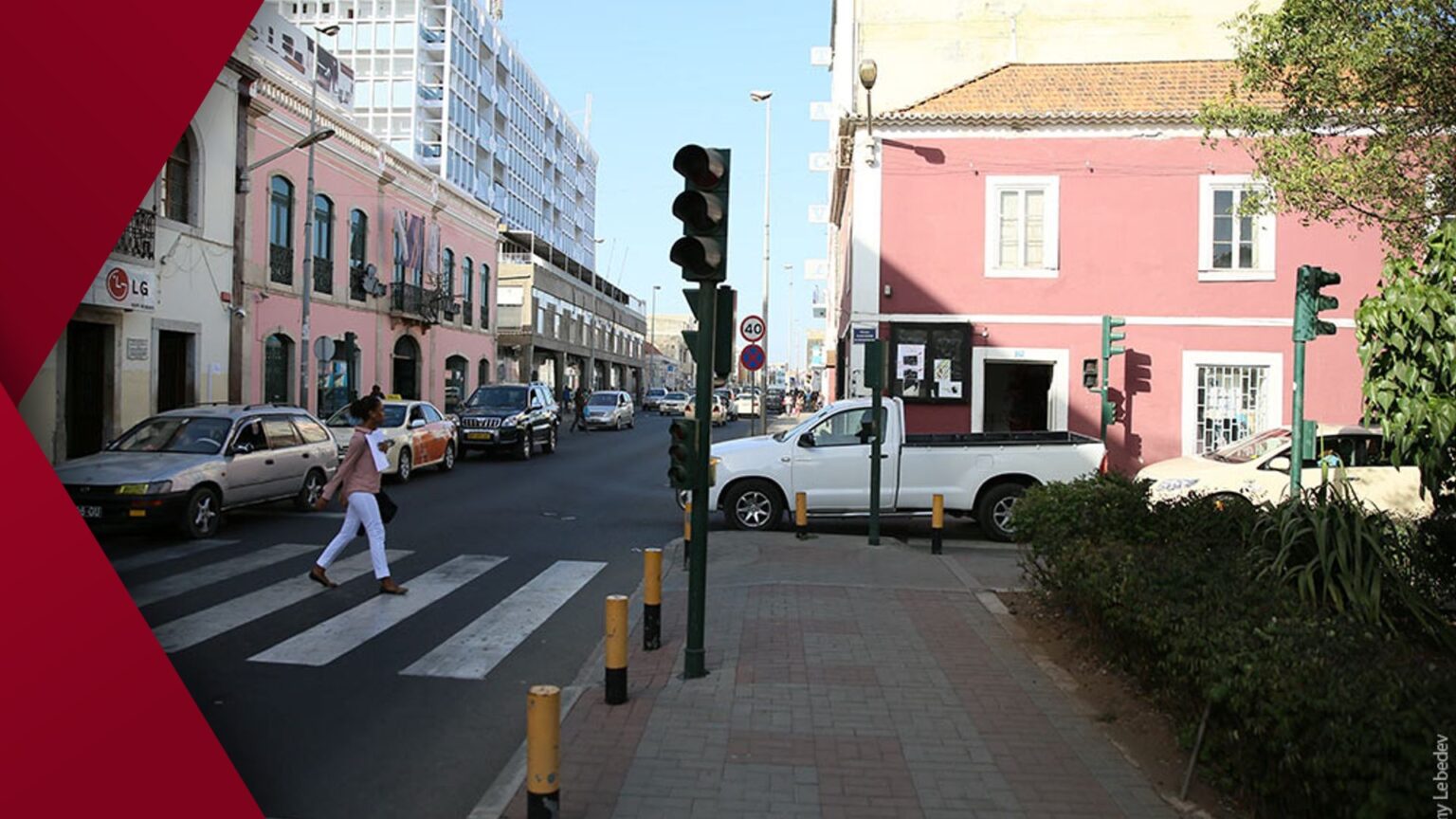
Below are the top 10 best-governed countries in Africa, as per the latest rankings. Cabo Verde leads the continent with a governance score of 74.
0, ranking 29th globally.
The country boasts high political rights (95. 2) and strong press freedom (77. 6), indicative of stable democratic institutions.
Although the rule of law (58. 8) and corruption control (64. 5) are moderate, they are still above the average for African countries.
Mauritius follows closely behind, ranking 37th globally with a governance score of 68. 4. It combines strong political rights (90.
5) and the best rule of law (69. 5) among African countries, with a healthy press freedom score of 67. 7.
However, corruption control (46. 1) remains a concern. Namibia places 42nd globally with a governance score of 65.
0, demonstrating strong performance in press freedom (78. 1) and political rights (78. 6).
The rule of law (60. 0) is solid, though corruption control (43. 4) affects the overall rating.
South Africa ranks 45th globally with a governance score of 62. 3. It exhibits high press freedom (78.
6) and political rights (83. 3), but struggles with weaker rule of law (50. 6) and low corruption control (36.
8). Botswana ranks 49th with a governance score of 61. 1, reflecting relatively strong corruption control (59.
2) and rule of law (58. 6).
However, press freedom (55.
3) and political rights (71. 4) are lower than those of top performers.
Ghana stands at 52nd globally with a governance score of 60.
2.
The country boasts strong political rights (88. 1) and solid press freedom (67.
5), but faces challenges in rule of law (45.
7) and corruption control (39. 5).
Senegal ranks 63rd with a governance score of 54.
0, indicating a participatory political system with political rights (73. 8) and press freedom (57.
6).
However, a weaker rule of law (41. 1) and corruption control (43.
4) reduce institutional effectiveness.
Malawi places 71st globally with a governance score of 50. 7, featuring relatively strong political rights (74.
8) and moderate press freedom (57.
3).
The country struggles with low corruption control (27.
6) and modest rule of law (44. 2).
Sierra Leone ranks 73rd with a governance score of 48.
0, showing relatively healthy political rights (71. 4) and press freedom (66.
5).
However, the extremely low rule of law (26. 4) and corruption control (27. 6) undermine governance quality.
The Gambia ranks 74th globally with a governance score of 47. 6. While press freedom (65.
4) and moderate political rights (54. 8) signal improvement in openness, weak rule of law (38. 5) and low corruption control (31.
6) limit overall governance strength. These rankings highlight the varying degrees of governance effectiveness across Africa, with some countries making significant strides in democratic openness and governance performance.
As the continent continues to evolve, it is crucial for African nations to address challenges such as corruption and rule of law to ensure sustainable development and stability.
Further details are expected as the governance landscape in Africa continues to evolve.
.
Source: Africa.