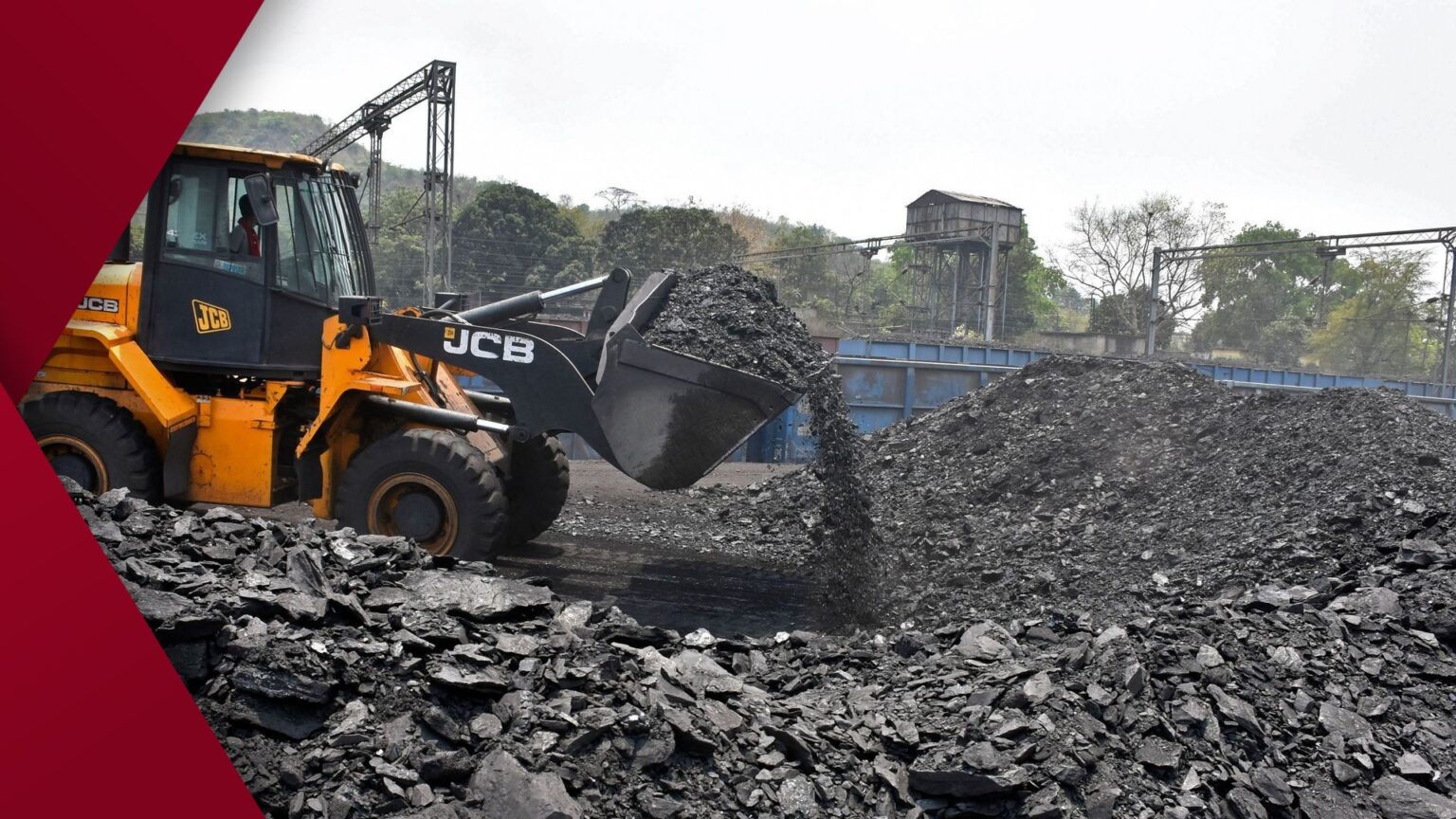
Johannesburg, South Africa — South Africa’s mining output has experienced a notable decline, dropping by 2. 7% year-on-year, with coal and iron ore production taking the brunt of the reduction. This downturn, according to local reports, is being attributed to a combination of rising input costs and escalating global trade tensions, particularly those involving the United States and China.
The mining sector, a vital component of South Africa’s economy, has been feeling the pinch of higher costs for raw materials and transportation, along with the broader impact of trade disputes. Officials have not yet commented on the specifics of these cost increases but suggest that the overall economic environment is contributing to the decline. Trade tensions and tariff hikes have negatively impacted business confidence and investment, according to the International Monetary Fund (IMF).
The World Bank also noted that while some exporters may benefit from higher commodity prices, others, like South Africa, may suffer due to reduced demand or increased costs.
In addition to the economic factors, infrastructure constraints could also be a factor in the flattening of coal production in South Africa.
The International Energy Agency (IEA) reported that these constraints have been a significant issue, affecting the sector’s efficiency and output.
While the immediate impact of these challenges is evident, the long — term implications for South Africa’s economy remain uncertain.
The situation underscores the vulnerabilities of the country’s mining industry to global economic shifts and trade policies. Further details are expected as the situation unfolds.
For now, the mining sector is a critical area of focus, with stakeholders closely monitoring the impact of current trends on the nation’s economic stability.
.
Source: IMF World Economic Outlook, Growth Slowdown, Precarious. — [imf.
Org]( Imf.
Org/-/media/files/publications/weo/2019/april/english/ch1.
*Additional reporting by ImNews | Sources consulted: 4*