Somalia’s Hunger Crisis Intensifies as Acute Food Insecurity Doubles. MOGADISHU, Somalia (SONNA) — The Federal Government of Somalia, in collaboration with the United Nations, has sounded an alarm over the escalating humanitarian crisis, with the Integrated Food Security Phase Classification (IPC) report revealing a doubling of acute hunger levels over the past year.
The report, covering the period from April to June 2026, projects that approximately 4.
4 million Somalis will face Crisis or worse levels of food insecurity, categorized as IPC Phase 3 and above. This alarming rise in food insecurity is attributed to a combination of severe environmental and economic challenges.
A delayed and poorly distributed Deyr rains, recorded between October and December 2025, has led to dry conditions severely impacting crop yields and livestock production.
These environmental setbacks are compounded by localized flooding, ongoing conflict in specific regions, and broader macroeconomic instability, marked by high inflation and reduced purchasing power. Internally Displaced Persons (IDPs) are identified as the most vulnerable group in this crisis.
Populations in urban centers such as Mogadishu, Baidoa, Dhusamareb, Galkayo, and Kismayo are currently experiencing Emergency levels of hunger, designated as IPC Phase 4.
The report highlights 11 specific population groups enduring this critical emergency phase.
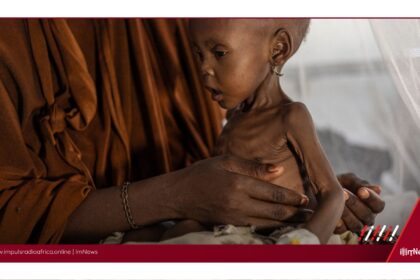
The crisis also affects the younger generation, with health assessments indicating that 1. 6 million children under the age of five are projected to suffer from acute malnutrition throughout the year.
Of these, approximately 396,000 children are at risk of severe acute malnutrition, necessitating immediate medical intervention to prevent high mortality rates.
The current situation is dire, with 3. 6 million people already experiencing Crisis or worse food insecurity between January and March 2026.
Francois Batalingaya, the UN Resident and Humanitarian Coordinator for Somalia, emphasized the urgent need for financial resources to prevent further deterioration and execute life — saving operations.
El — Khidir Daloum, the World Food Programme (WFP) Representative and Country Director, warned of catastrophic consequences unless humanitarian assistance is rapidly scaled up to meet the demand.
The WFP has announced an urgent funding requirement of $218 million over the next six months to sustain and expand its crisis response.
The situation calls for immediate international attention and support to avert a humanitarian catastrophe in Somalia.
.
Source: sonna.