Humanitarian Needs Worsen in DRC as Multisectorial Assessments Reveal Critical Shortfalls BODY: Kinshasa, DRC – The Democratic Republic of Congo (DRC) is facing a worsening humanitarian crisis, according to a recent evaluation of multisectorial needs for 2026.
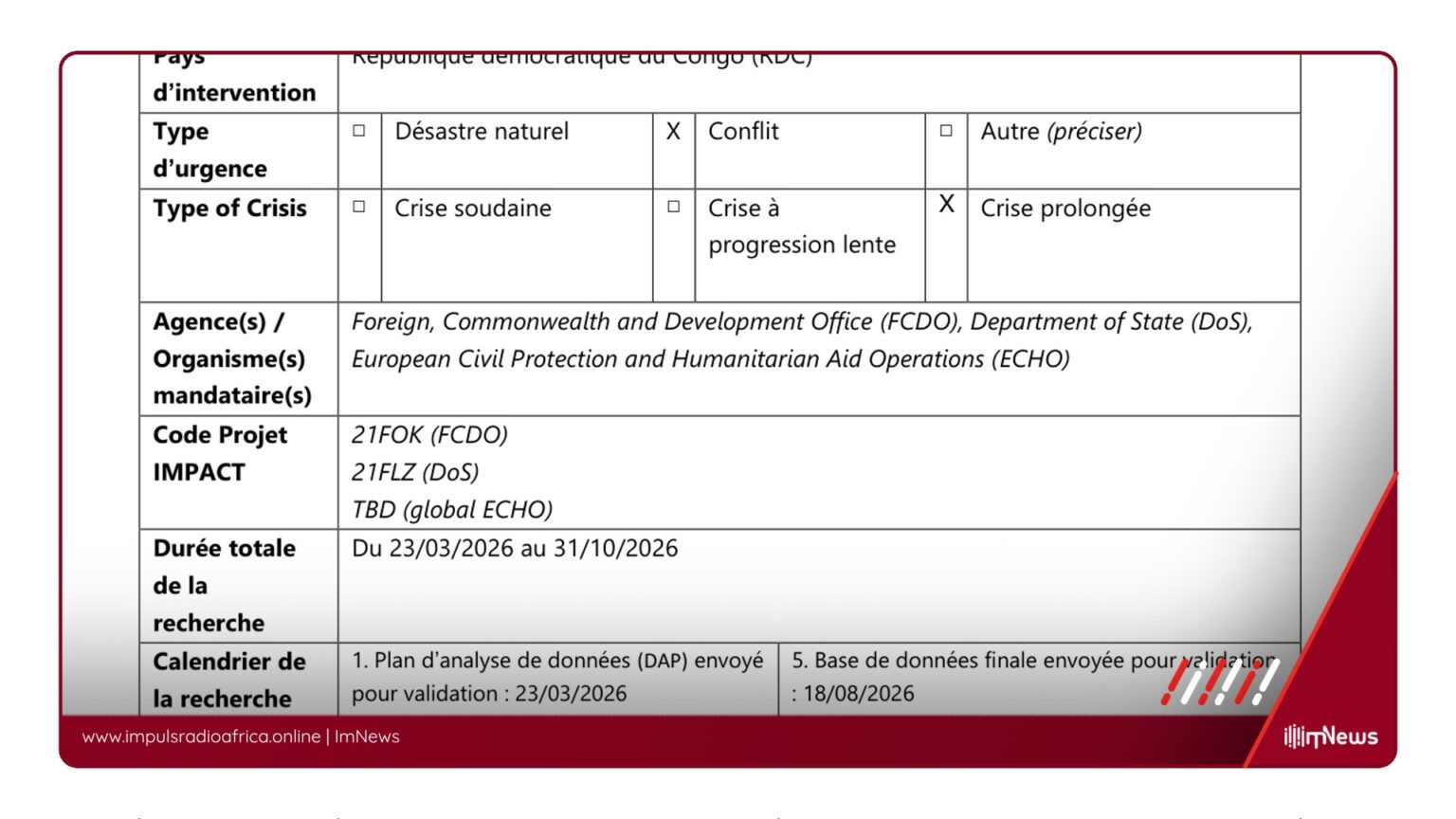
The assessment, conducted by the REACH Initiative, highlights significant challenges across various sectors, including health, market functionality, and overall population well — being.
The health sector, particularly in the Aungba area of Mahagi territory in the Ituri province, is in dire need of assessment.
A rapid integrated public health assessment (IPHRA) is currently underway to address the pressing health needs of the population.
The evaluation aims to estimate the proportion of the population with unmet health care needs and identify the main barriers to accessing essential services. Market functionality in the DRC has been limited, with a score of 71/100 in 2025, indicating challenges in accessibility and affordability.
This suggests broader economic challenges that contribute to the humanitarian crisis, affecting the daily lives of millions.
The REACH Initiative’s approach to harmonizing assessment tools in the DRC reflects a collaborative effort to streamline the humanitarian response. This harmonization process, which involved revising previous versions of the tools, aims to provide a more accurate and comprehensive picture of the situation on the ground.
The focus on the health sector in Ituri province suggests a targeted response to a specific area of need.
The region has been affected by conflict and instability, leading to a high level of need among the population.
The limited functionality of markets in the DRC could indicate broader economic challenges that contribute to the humanitarian crisis.
The assessment’s findings highlight the need for a more robust and integrated approach to addressing the complex needs of the population.
The DRC’s humanitarian crisis is a complex and prolonged issue that has affected millions of people across the country.
The country has faced numerous challenges, including conflict, economic instability, and health crises, which have led to a high level of need among the population.
The evaluation’s findings underscore the importance of a coordinated and targeted response to the humanitarian crisis in the DRC.
The REACH Initiative’s efforts to harmonize assessment tools and focus on specific areas of need are crucial steps towards addressing the complex challenges faced by the population.
The assessment’s findings also underscore the need for continued support and resources to address the humanitarian crisis in the DRC.
The international community must remain committed to providing assistance to the affected populations and working towards a sustainable and long — term solution to the crisis.
As the DRC continues to face significant humanitarian needs, it is essential for the international community to remain vigilant and proactive in addressing the complex challenges faced by the population.
The REACH Initiative’s assessment provides valuable insights into the current situation and highlights the urgent need for a coordinated and targeted response to the crisis.
*Additional reporting by ImNews | Sources consulted: 5*
—
This original article was produced by the ImNews editorial team
Source: reliefweb
Source: REACH Initiative