Mozambique’s Economic Stagnation: Navigating Debt and Development Challenges BODY: Maputo, Mozambique – Despite not experiencing a full-blown crisis, Mozambique’s economy has been faltering over the past decade.
An IMF assessment in early 2026 revealed that the country’s public debt is unsustainably high, its external balance of payments is weak, and policy options are limited.
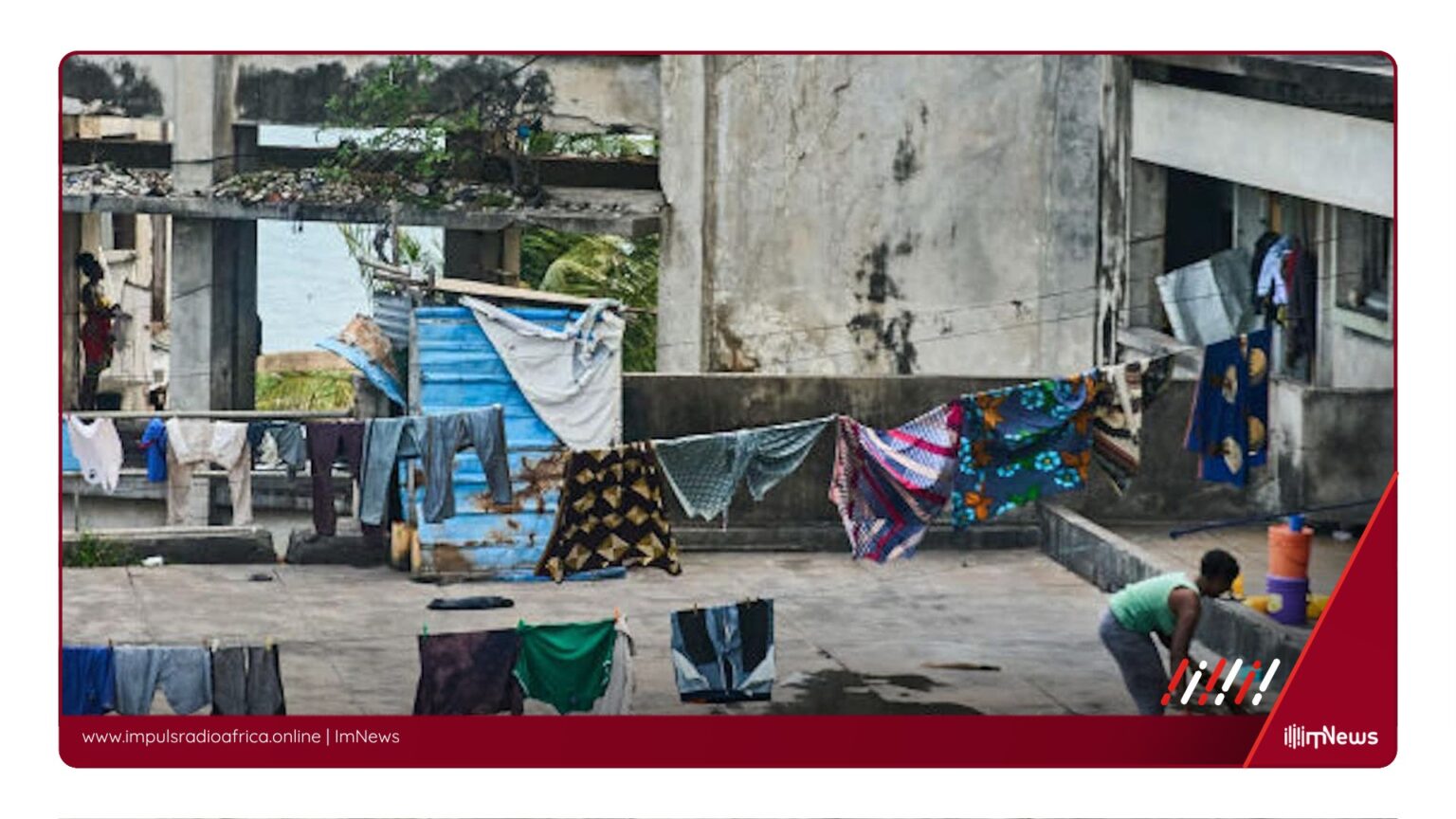
The economic situation has been further complicated by the Middle East tensions, which have disrupted supply chains and increased global fuel prices. Sam Jones, an expert with over two decades of experience in Mozambique’s economic research and policy analysis, points out that the country is in a state of vulnerable stagnation. Jones’analysis, based on surveys of firms, students, and households, indicates a concerning trend for ordinary Mozambicans, marked by higher poverty, unreliable public services, and a labor market offering few decent opportunities, particularly for the young.
The central argument is that merely muddling through is not a viable option. Without careful adjustments and a deliberate shift toward growth and job creation outside the extractive sector, the country’s economic pressures will continue to build, leading to a potentially large economic correction under worse conditions.
The country’s present condition is one of vulnerable stagnation, with real GDP growth outside the extractive sector hovering around 2% since the hidden debt crisis of 2016. Average real incomes outside mining and gas have flatlined for a decade, and fiscal deficits have been financed increasingly by domestic banks, a model that the IMF and World Bank have warned is approaching a breaking point. Evidence of these pressures includes the classification of local-currency debt as “selective default “by S&P and the extension of arrears to short-term treasury bills.
The government’s wage bill and debt service dominate spending, leaving chronic underinvestment in infrastructure, education, and agriculture. Demographic pressures are intensifying, with Mozambique needing to absorb roughly 500,000 new labor market entrants annually by 2030.
The exchange rate has appreciated in real terms, eroding export competitiveness, and foreign exchange shortages are widespread.
The policy response has been focused on administrative measures, but the underlying misalignment persists.
The overvalued exchange rate functions as a tax on the non — resource economy, as evidenced by recent fuel shortages and panic buying.
In summary, Mozambique’s economic future hinges on making tough policy choices, including fiscal discipline and investment in key sectors such as agriculture, to navigate the complex path forward amidst debt and development challenges.
*Additional reporting by ImNews | Sources consulted: 5*
—
This original article was produced by the ImNews editorial team
Source: Sam Jones