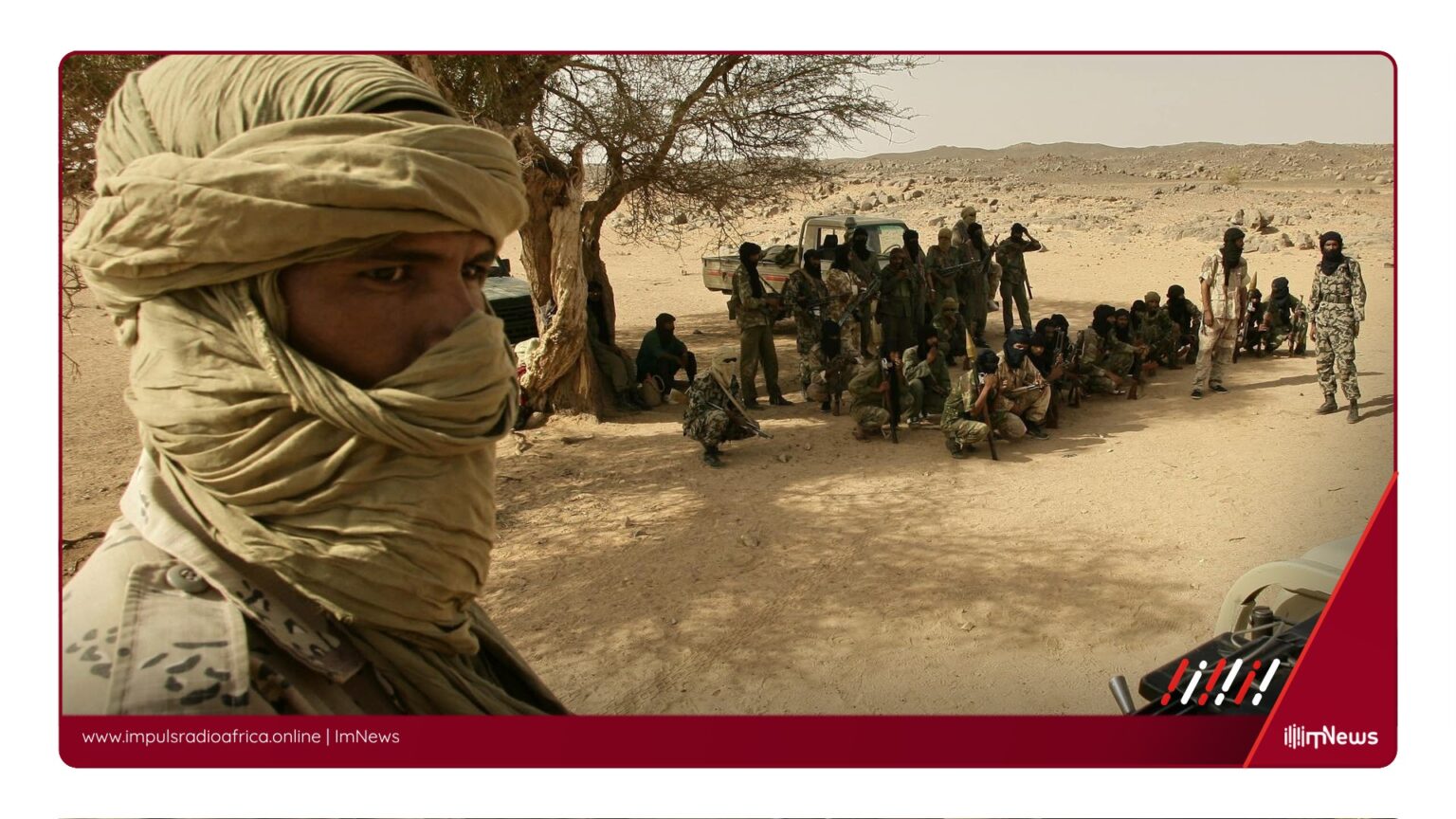
TRIPOLI, Libya — In late April 2026, Mali’s security situation deteriorated sharply with coordinated attacks across several cities, resulting in the loss of Mali’s Defence Minister, Sadio Camara. These attacks mark the latest chapter in Mali’s ongoing struggle with violence, a conflict that experts argue is deeply rooted in the military regime’s failure to address the long-standing grievances of the Tuareg population. Research by Leeds Beckett University’s Olayinka Ajala and Darrin Patrick McDonald suggests that the military government’s neglect of the Tuareg’s demands for political autonomy, marginalisation, and resource control has been a significant catalyst for the escalating violence.
The breakdown of the 2015 peace deal, terminated by the military government in January 2024, has only exacerbated tensions.
The Azawad Liberation Front (FLA) and the al-Qaeda-linked Jama’at Nusrat al-Islam wal-Muslimin (JNIM) have been reported to be coordinating these attacks, with JNIM declaring a ‘total siege’on Bamako.
The researchers emphasize that peace in Mali is unattainable without restoring trust through cultural recognition, regional autonomy, and a shift away from militarized solutions.
The Conversation’s analysis indicates that the military junta’s approach has been counterproductive, only serving to worsen the situation. Al Jazeera’s report suggests that both jihadist and Tuareg rebels were involved in the attacks, highlighting a complex web of actors and motivations. Chatham House’s perspective underscores the need for a multifaceted approach to security, emphasizing that military means alone are not sufficient.
The unanswered questions surrounding the conflict are significant. Measures being considered or implemented by the Malian government and international bodies to address the Tuareg grievances and restore peace are crucial.
The role of the international community, particularly ECOWAS and Russia, in contributing to stability or instability in Mali must also be examined.
The status of the 2015 Algiers Peace Accord and its implications for the conflict in Mali are of great interest.
The recent attacks have underscored the urgency of finding a sustainable solution that addresses the root causes of the violence and promotes peace and stability in Mali.
*Additional reporting by ImNews | Sources consulted: 4*
—
This original article was produced by the ImNews editorial team
Source: Darrin Patrick McDonald