[Dateline: Juba, South Sudan].
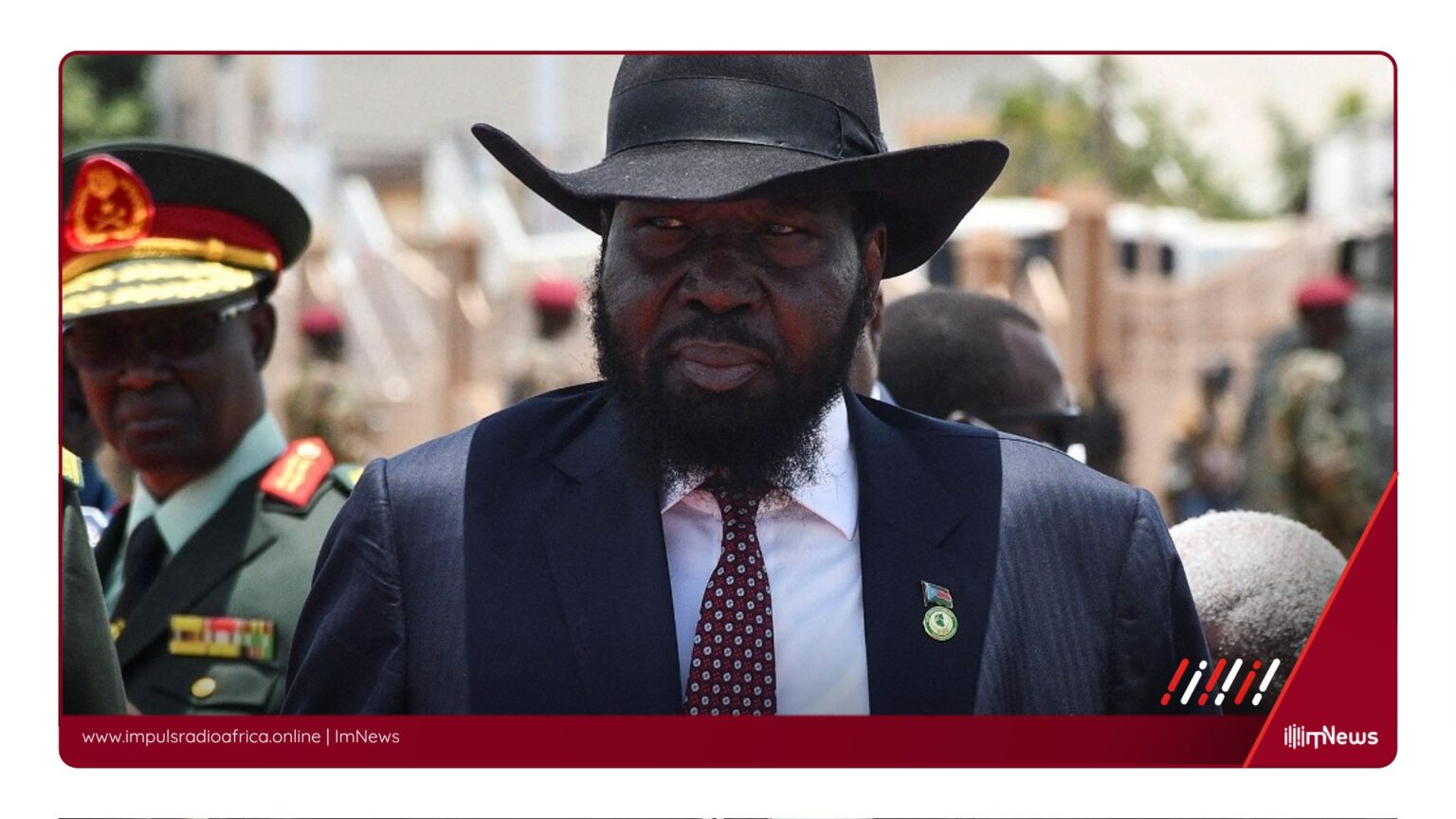
South Sudan’s President Salva Kiir faces a critical juncture as his diplomatic efforts encounter significant obstacles due to a severe lack of resources and escalating political tensions. The nation’s stability is increasingly threatened as international support diminishes.
In a recent development, President Kiir’s daughter, Adut Salva Kiir, has been bolstering her influence within the South Sudanese government. As the head of an economic affairs office in the presidential palace, she has appointed close allies to key state positions, hinting at her aspirations for a more prominent role in the country’s governance. The extent of her ambitions and the likelihood of their realization, however, remain uncertain.
In Port Sudan, the return of Tutkew Gatluak Manime, who was dismissed as Salva Kiir’s security adviser in January, is seen as a strategic move to mend relations with Sudan and restore vital oil exports, which are crucial for South Sudan’s economy.
Internationally, the African Union (AU) is a key player in South Sudan’s diplomatic landscape. Morocco’s recent return to the AU and its push for the withdrawal of recognition of the Sahrawi Arab Democratic Republic could have substantial implications for South Sudan’s relations with the regional body and its political maneuvering.
Former South Sudan first vice president Riek Machar is currently embroiled in a legal battle, using the case against him to mobilize support. His allies are skeptical about the chances of an acquittal, raising concerns about the potential for further political instability.
As the situation in South Sudan unfolds, the international community remains vigilant. The upcoming U. S. Presidential election and the ongoing conflict in Sudan add layers of complexity to the region’s political dynamics, making the path forward for President Kiir and his administration uncertain and fraught with challenges.
Source: AfricaIntelligence