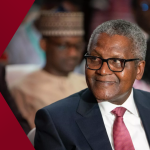
African Scholar Prof. Francis Nyamnjoh Joins CORE Academy of Sciences and Humanities.
In a significant milestone for African scholarship, renowned African scholar Professor Francis Nyamnjoh has been elected as a Fellow of the International Core Academy of Sciences and Humanities. Based at the HUMA – Institute for Humanities in Africa, where Prof. Nyamnjoh serves as Academic Board Chair, this election underscores his growing international recognition as a leading thinker in social anthropology and cultural studies.
Joining a select group of 23 distinguished scholars, Nyamnjoh is among over 250 elected Fellows and over 600 members spanning more than 60 countries and regions.
The fellowship is a prestigious acknowledgment of intellectual excellence and sustained contributions to advancing knowledge across disciplines. Nyamnjoh’s election reflects decades of scholarship that have shaped critical debates on Africa’s place in the world, particularly around themes of media, mobility, citizenship, identity, belonging, and decolonisation. His work has been central in advancing the concept of “conviviality,” a framework that explores how Africans negotiate difference, coexistence, and social complexity in everyday life.
As a prolific author and public intellectual, Nyamnjoh has consistently challenged dominant narratives about Africa, advocating for more nuanced, grounded, and self — reflective approaches to knowledge production. His scholarship bridges academic inquiry and lived realities, making his work both theoretically rich and socially relevant. At HUMA, based at the University of Cape Town, Nyamnjoh has been instrumental in fostering interdisciplinary research and mentoring emerging scholars committed to rethinking the humanities from African perspectives.
The institute has become a hub for critical scholarship on the continent, promoting dialogue on history, culture, and the evolving social fabric of African societies.
The CORE Academy’s recognition of Prof. Nyamnjoh highlights his broader intellectual influence in shaping conversations around the “social imagination” in Africa—a concept that interrogates how individuals and communities envision their futures amid shifting political, economic, and cultural landscapes. His election comes at a time when global academic institutions are increasingly addressing questions of inclusivity, epistemic diversity, and the decolonisation of knowledge systems.
Nyamnjoh’s work has long been at the forefront of these discussions, making his inclusion in the academy both timely and symbolic. His recognition is not just a personal achievement but also a moment of pride for African scholarship, reinforcing the continent’s intellectual contributions to global discourse.
As African universities and research institutions assert their voice in shaping global knowledge systems, Nyamnjoh’s fellowship is likely to further elevate conversations about whose knowledge counts—and how it is produced, shared, and valued. This honor also strengthens HUMA’s standing as a leading center for humanities research in Africa, reflecting its commitment to nurturing scholars whose work resonates far beyond the continent.
*Additional reporting by ImNews | Sources consulted: 5*
—
This original article was produced by the ImNews editorial team
Source: Panafricanvisions
Source: Pan African Visions