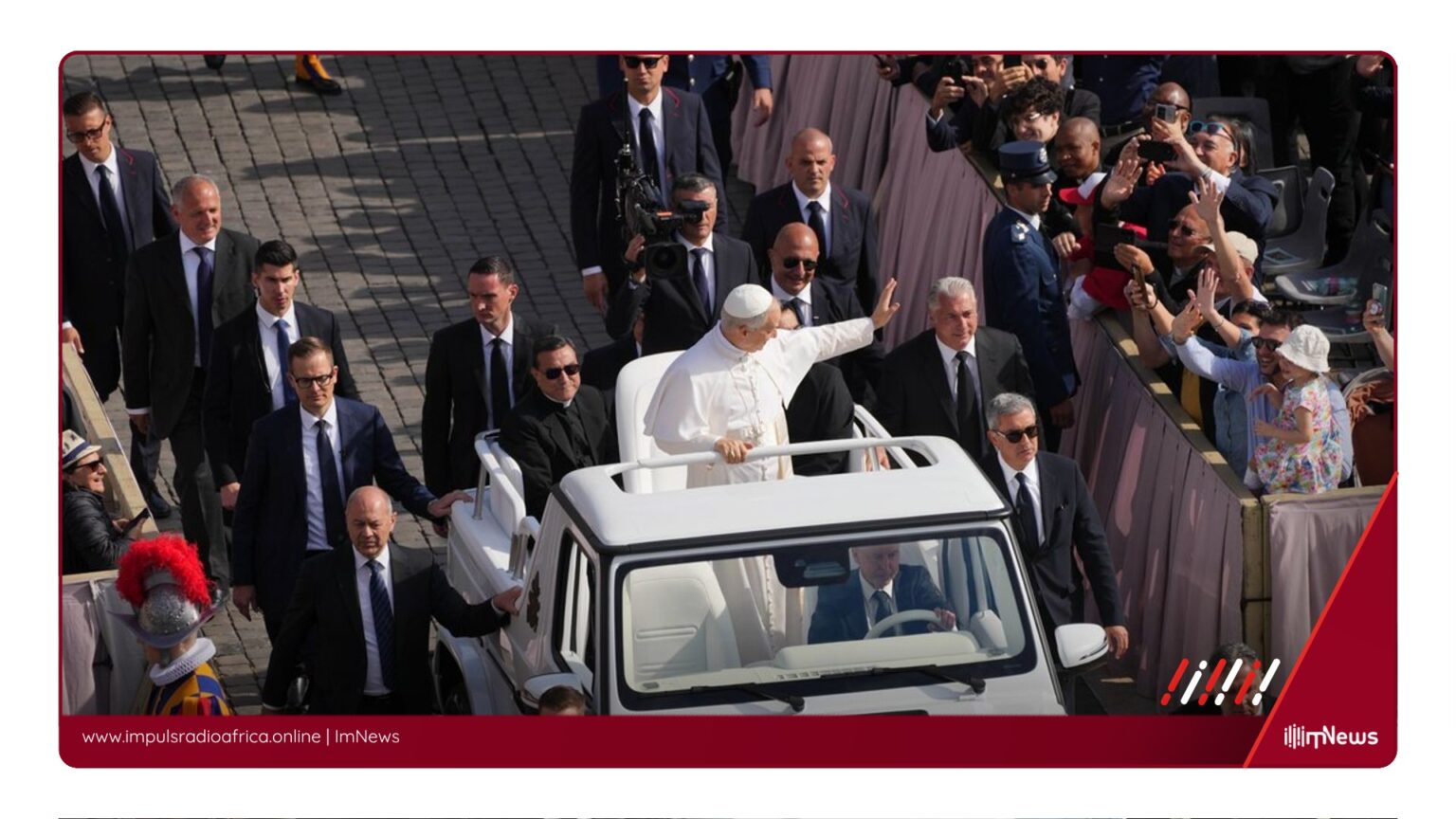
LUANDA, ANGOLA — In a candid address during his tour of Africa, Pope Léon XIV landed in Angola, the third destination on his eleven-day journey, which also includes visits to Algeria and the Republic of Congo.
The pontiff’s visit has been marked by his direct critique of corruption, exploitation, and the stifling of youthful aspirations in the Southern African nation.
On April 18, 2026, Pope Léon XIV arrived at the presidential palace in Luanda, where he delivered his first major speech to an audience that included President João Lourenço, government officials, civil society, and the diplomatic corps.
The speech was forthright, addressing the material wealth that powerful interests exploit, leading to immense social and environmental suffering.
The Pope’s comments were particularly pointed, with him emphasizing that Angola’s model of development discriminates and excludes while posing as the sole viable option. His words, delivered in Portuguese, carried significant weight, particularly in a country governed by the MPLA since 1975.
The following day, on April 19, Pope Léon XIV celebrated a mass at Kilamba, a southern suburb of Luanda.
The mass attracted between 100,000 and 400,000 worshippers, many of whom camped overnight to secure a place. During the homily, the Pope called for the eradication of old divisions and the transformation of the country through a culture of justice and sharing.
In a poignant act of solidarity with the marginalized, the Pope visited the sanctuary of Mama Muxima on the afternoon of April 19. Here, he joined 30,000 pilgrims in reciting the rosary and encouraged the youth to be actors of peace and justice.
On the final day of his Angola visit, April 20, Pope Léon XIV traveled to Saurimo, a region in the country’s east that has been overlooked despite hosting some of the world’s largest diamond mines.
The visit, which included a mass and a visit to a nursing home, was a stark contrast to the opulence of Luanda, emphasizing the plight of those left behind by the extractive economy. Pope Léon XIV’s visit and his critiques have left President João Lourenço, who has positioned himself as a fighter against corruption since succeeding Dos Santos in 2017, facing a moral crossroads.
The Pope’s message to the Angolan youth—that their dreams should not be stifled—has resonated deeply and will likely influence the nation’s political and social trajectory.
The implications of the Pope’s visit and his comments remain to be seen, but they have undoubtedly added a new dimension to the ongoing discussions about governance and development in Angola.
*Additional reporting by ImNews | Sources consulted: 5*
—
By This original article was produced by the ImNews editorial team
Source: afrikmag
Source: AfrikMag