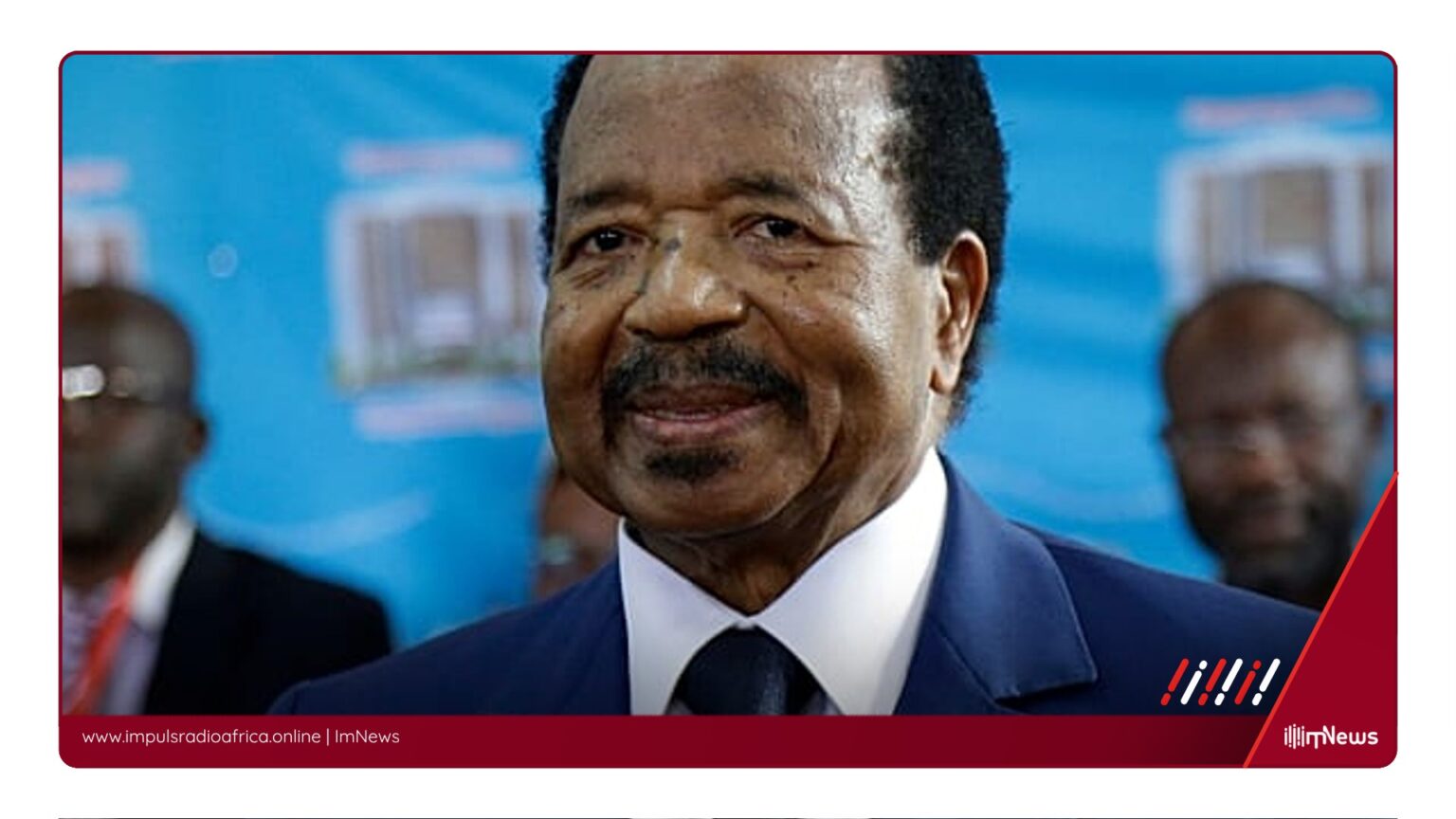
Cameroon’s President Paul Biya, the world’s oldest leader, has made a significant appointment by naming his son, Franck Biya, to the newly-created vice presidential post. This move comes after the post was reintroduced on Saturday, following its abolition in 1972 following a constitutional referendum. The reintroduction of the vice presidency was met with widespread criticism, as a joint session of the National Assembly and Senate passed the widely criticised bill, which was boycotted by the main opposition party, the Social Democratic Front (SDF).
The amendment to the constitution grants the president absolute authority over the vice presidency, allowing him to appoint and dismiss office holders at his discretion. The deputy vice president, Franck Biya in this case, is only able to exercise powers delegated by President Biya. In the event that President Biya were to die, resign, or become incapacitated, the vice president would serve as interim president for the remainder of the seven-year tenure. Proponents of the bill argue that it ensures institutional stability in the event that the 93-year-old president is unable to fulfill his duties.
However, critics argue that the amendment undermines democratic principles and could pave the way for a monarchy. The SDF has been vocal in its opposition, stating that the amendment fails to guarantee democratic legitimacy, inclusiveness, and proper institutional balance. Fusi Namukong, an SDF member of parliament, expressed concerns, saying, “It’s not democratic. This is a republic, and in a republic, those who wield power at the highest level of the state should be elected and not appointed.”.
The Cameroon Bar Association has also warned that the amendment erodes the democratic legitimacy of the presidential office and undermines the country’s constitution. In addition to taking up the vice presidency, Franck Biya has been named Head of the Armed Forces and Minister of Defence, according to local media reports.
President Paul Biya’s health has been a topic of speculation, as he spends much of his time in Europe, leaving governance to key party officials and family members. His reelection to an eighth term in 2025 led to widespread protests that resulted in at least four deaths, reflecting growing tensions between the country’s mostly young population and its aging leader.
Source: Africanews