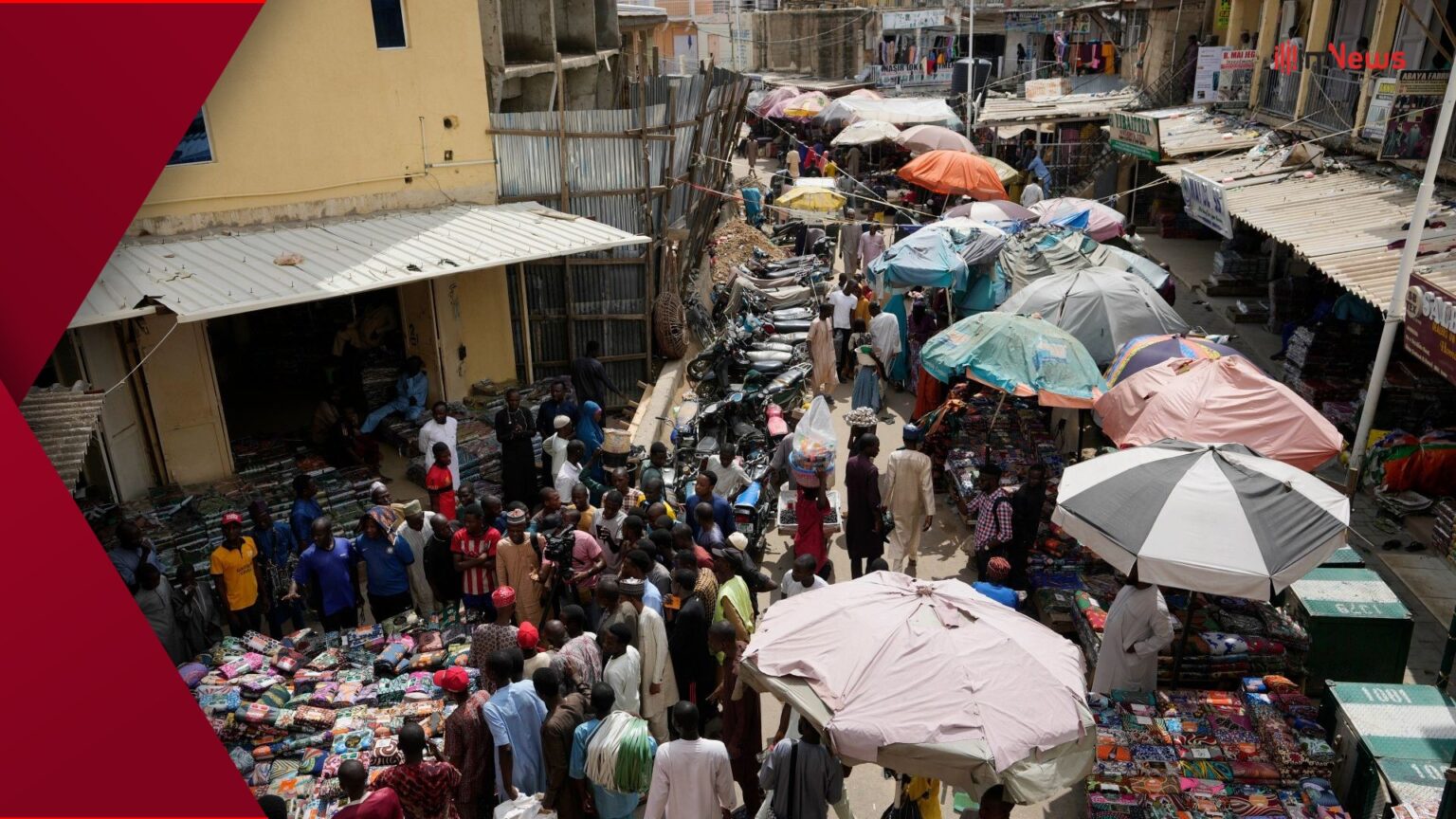
Kano, Nigeria — Discarded electronics from developed countries are overwhelming Nigeria’s markets, fueling a growing e-waste crisis. Marian Shammah, a 34-year-old cleaner, recently purchased a refrigerator from the Sabon Gari Market in Kano, only to find it malfunctioned after a month. Despite the setback, Shammah, like many Nigerians, believes second-hand appliances from abroad are more durable than locally available new ones.
The United Nations reports that around 60,000 tonnes of used electronics enter Nigeria annually, with many items arriving damaged. This influx, driven by foreign exporters, often violates international agreements like the Basel Convention, which aims to regulate the movement of hazardous e-waste to countries with weaker environmental laws.
The Basel Convention’s “E-Waste Africa Programme “estimates that Nigeria, along with Benin, Ivory Coast, Ghana, Liberia, and others, collectively generate between 650,000 and 1,000,000 tonnes of e-waste annually, much of it from short-lived second-hand imports.
The consequences are severe. Many imported appliances still contain harmful refrigerants like R-12 and R-22, banned in Europe and the US due to their impact on ozone depletion and health risks. Informal recyclers dismantle these electronics manually, exposing themselves and nearby residents to toxic fumes and heavy metals.
Health surveys have linked e — waste exposure to chronic headaches, skin irritation, breathing issues, miscarriages, and neurological concerns. Dr. Ushakuma Michael Anenga, a gynecologist and vice president of the Nigerian Medical Association, warns of the grave health risks posed by informal e-waste recycling.
Despite regulations, Nigeria’s National Environmental Standards and Regulations Enforcement Agency (NESREA) allows the importation of used electrical and electronic equipment under regulated conditions. However, critics argue that enforcement gaps leave markets like Sabon Gari vulnerable to substandard and end-of-life appliances. Shammah, now seeking a new appliance, reflects the broader challenge: “I don’t really trust these fairly used appliances again, but I still have to buy something because we need it at home. This time, I’m thinking I can buy a new one from a proper shop, even if it takes longer, because I don’t want to lose my money again.”.
Source: aljazeera