CITY, Nigeria — Housing, land, and natural resource disputes in Nigeria have emerged as persistent and destabilizing challenges, particularly in the northern and central regions.
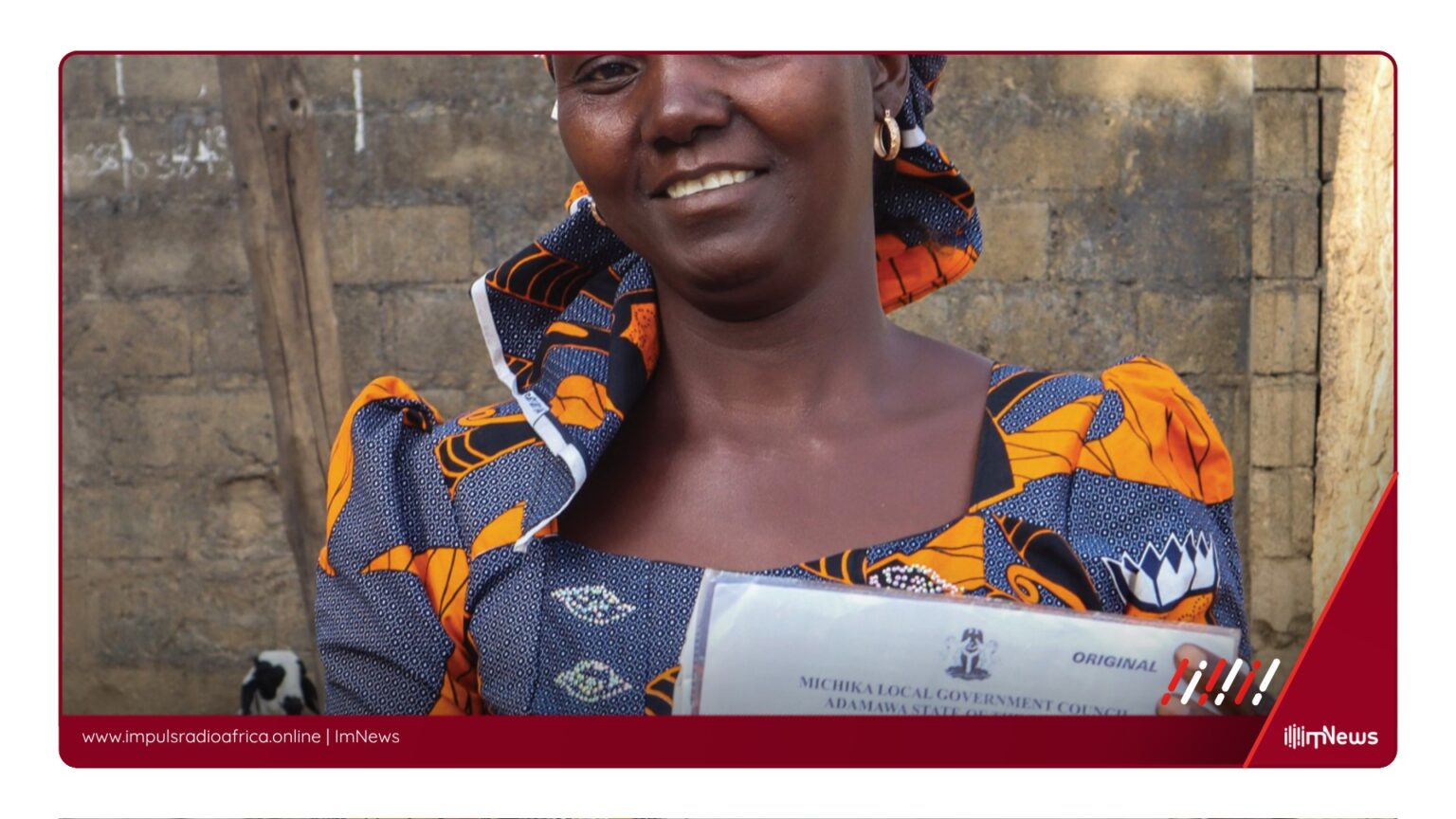
As of 2025, over 3. 4 million internally displaced persons (IDPs) are scattered across the country, with unresolved housing, land, and property (HLP) disputes preventing safe return and local integration.
The complexity of these disputes is exacerbated by the multitude of dispute — resolution institutions in Nigeria. Despite the presence of institutions to address these issues, a lack of coherence among them hampers effective outcomes. This fragmentation is particularly pronounced in central and northern Nigeria, where land and housing disputes are prevalent and deeply rooted in historical and cultural factors.
Marginalized groups, including women and IDPs, face disproportionately high levels of tenure insecurity and discriminatory outcomes in legal and administrative processes. This not only entrenches social inequalities but also leads to a cycle of displacement and social tension.
The Norwegian Refugee Council (NRC) has been actively involved in providing humanitarian support and legal assistance to displaced communities across Nigeria. Their reports indicate that the challenges faced by these communities are multifaceted, involving immediate protection needs as well as long-term solutions to land and property disputes.
The economic stability of Nigeria, which saw improvements in 2025 following monetary and foreign-exchange reforms, could have implications for the resolution of these disputes.
According to PwC’s Nigeria Economic Outlook 2026, the improved macroeconomic conditions may influence strategic business choices and, by extension, the mechanisms by which disputes are resolved.
The 26th Sanremo Summer School, an event focused on international law and its application, may offer insights into how international legal principles can be applied to the Nigerian context.
However, the direct relevance of this event to the current landscape of land and housing disputes in Nigeria is not explicitly mentioned in the available sources.
The report underscores that while Nigeria is not lacking in dispute — resolution institutions, the lack of coherence among them is a significant obstacle to effective outcomes.
In conclusion, Nigeria’s land and housing disputes represent a multifaceted challenge that requires a coordinated and coherent approach to resolution.
The involvement of international organizations like the NRC and the potential influence of economic stability on dispute — resolution mechanisms offer some hope, but the path to resolution remains fraught with difficulties and complexities.
*Additional reporting by ImNews | Sources consulted: 5*
—
This original article was produced by the ImNews editorial team
Source: reliefweb
Source: Norwegian Refugee Council