Ethiopia’s Marburg Outbreak officially ends after swift and coordinated response. ADDIS ABABA, ETHIOPIA – The Federal Ministry of Health (FMoH) has officially declared Ethiopia “Marburg free, “bringing to an end the Marburg virus disease (MVD) outbreak on January 26, 2026, following the passage of two consecutive incubation cycles (42 days) without any new detected cases or deaths.
However, despite the end of the outbreak, the incident has underscored the importance of ongoing recovery and preparedness efforts to prevent a resurgence.
The outbreak, initially declared on November 14, 2025, in the South Region of Ethiopia, led to 14 confirmed cases, including nine fatalities.
The rapid and transmissibility of the virus necessitated an immediate and coordinated public health response.
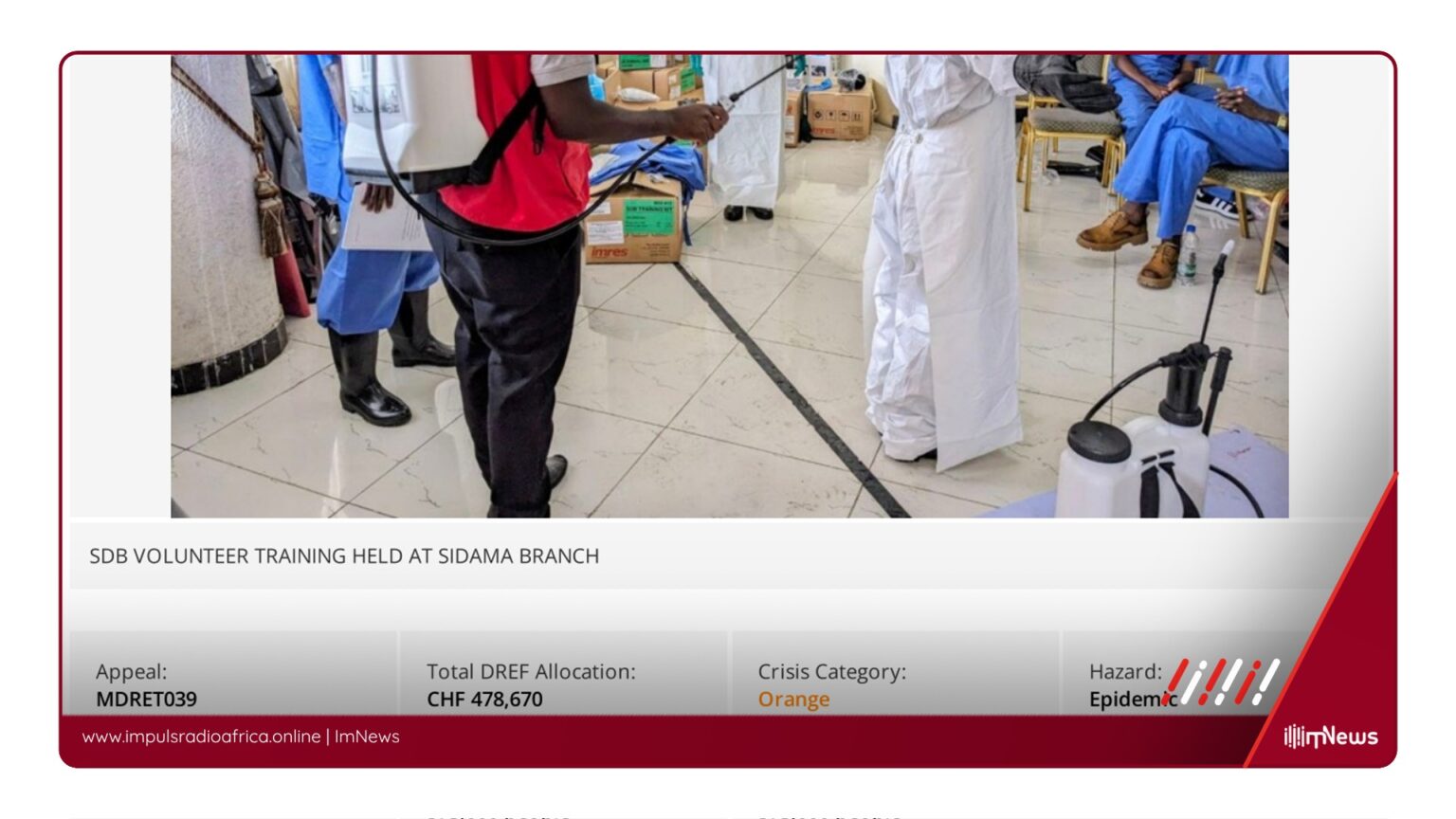
In response, the Ethiopian Red Cross Society (ERCS), supported by the International Federation of Red Cross and Red Crescent Societies (IFRC) through the Disaster Relief Emergency Fund (DREF), implemented a comprehensive operation that included early detection, isolation, and contact tracing, along with strengthened infection prevention and control (IPC) in health facilities.
The ERCS also focused on ensuring the safety of health workers, mobilizing rapid response teams (RRTs), and delivering effective risk communication and community engagement, primarily in the South Ethiopia and Sidama regions.
As the country moves forward, the ERCS is actively planning post — outbreak recovery activities. Once the recovery plan is finalized, it will be integrated into a revised operational strategy and published in coordination with the FMoH.
The Ethiopian Ministry of Health (MoH) and the Ethiopian Public Health Institute (EPHI) played a crucial role in the initial response, swiftly confirming the disease as Marburg virus disease and implementing enhanced surveillance, case isolation, contact tracing, and community engagement. Despite the successful containment of the outbreak, the incident has raised questions about long-term recovery and preparedness strategies.
As Ethiopia continues to strengthen its public health system, it is crucial to address the challenges of limited resources, inadequate infrastructure, and a lack of specialized personnel to prevent future outbreaks.
The WHO and IFRC have offered support to Ethiopia in enhancing its public health preparedness and response capabilities, emphasizing the importance of continued investment in health systems across the continent to prevent such outbreaks.
*Additional reporting by ImNews | Sources consulted: 5*
—
This original article was produced by the ImNews editorial team
Source: reliefweb
Source: International Federation of Red Cross and Red Crescent Societies