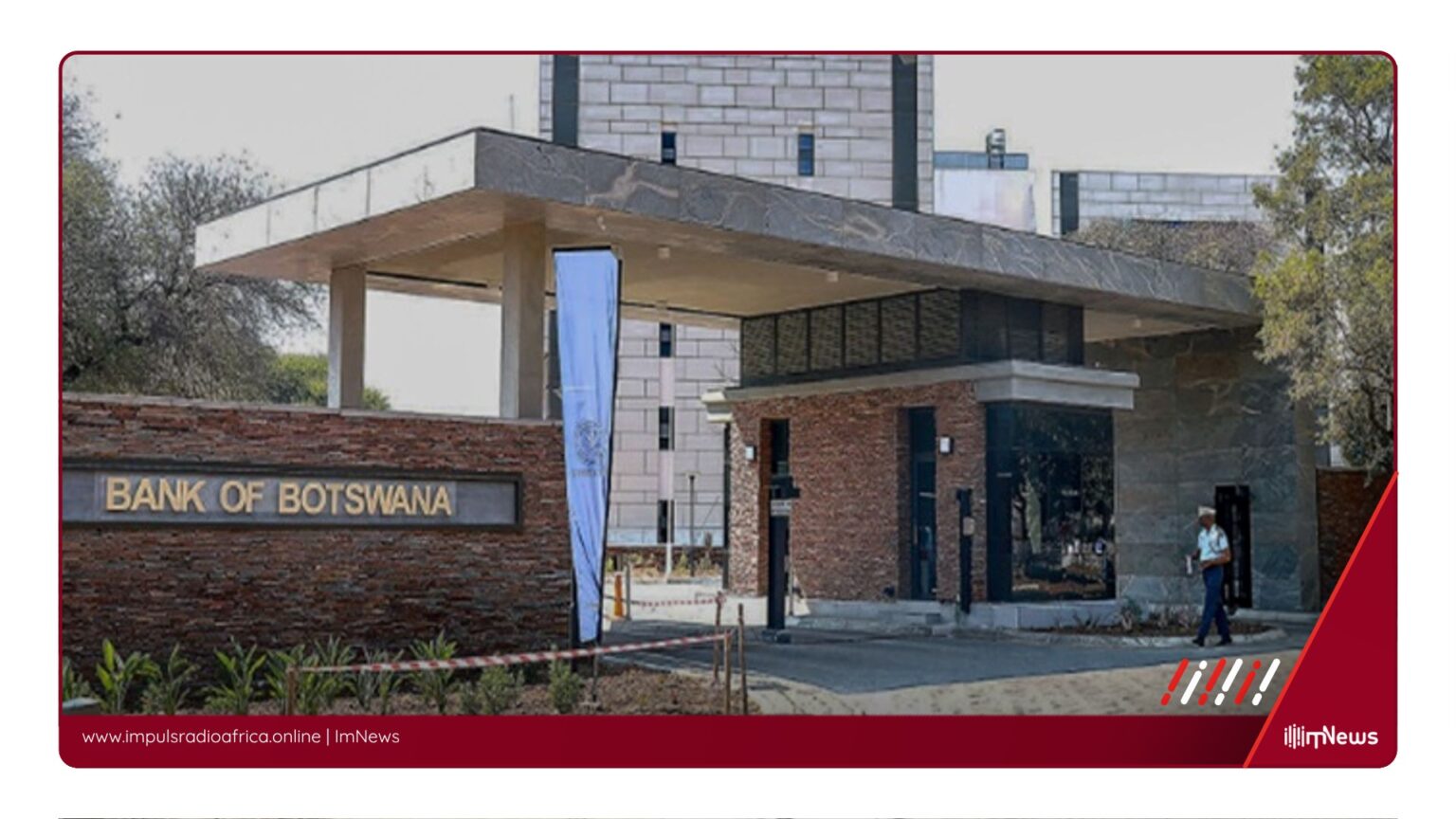
Botswana’s Rate Hike: A First for Africa Amidst Global Energy Crisis. Gaborone, Botswana – The Bank of Botswana has become the first African central bank to hike interest rates in response to the global energy shock, marking a pivotal moment amidst rising inflation pressures.
The benchmark interest rate was raised by 200 basis points to 5. 5%, reflecting the escalating inflation rates anticipated to reach 8. 9% this month and average 8.
7% in 2026. This decision, announced by Governor Lesego Moseki, is a direct response to the disruptions in the global oil market, primarily due to the conflict between the United States, Israel, and Iran.
The closure of the Strait of Hormuz, a critical trade route, has severely impacted Africa’s economy, with Botswana, in particular, vulnerable to the rising fuel costs.
The rate increase aims to reinforce monetary policy transmission and counteract the upward pressures on fuel costs, transport expenses, and potential electricity tariff hikes. Despite the anticipated inflation breaching the bank’s 3% to 6% target range in the near term, the central bank forecasts a gradual easing of inflation to 5. 6% in 2027.
The rate hike is not without challenges, as it risks adding to the downturn in Botswana’s diamond sector, which significantly contributes to the country’s exports and government revenue.
Furthermore, the potential increase in borrowing costs may impact consumer spending and credit demand. This move underscores the interconnectedness of global economies and the challenges Africa faces in navigating the global energy turmoil. Botswana’s central bank is closely monitoring economic indicators and stands ready to adjust its monetary policy as necessary.
In conclusion, the Bank of Botswana’s decision to raise interest rates is a significant step in the face of global economic uncertainty. It reflects the bank’s commitment to maintaining price stability and economic resilience, positioning Botswana as a leader in addressing the complex economic environment brought about by the global energy crisis.
*Additional reporting by ImNews | Sources consulted: 5*
—
This original article was produced by the ImNews editorial team
Source: Africa.businessinsider
Source: Adekunle Agbetiloye