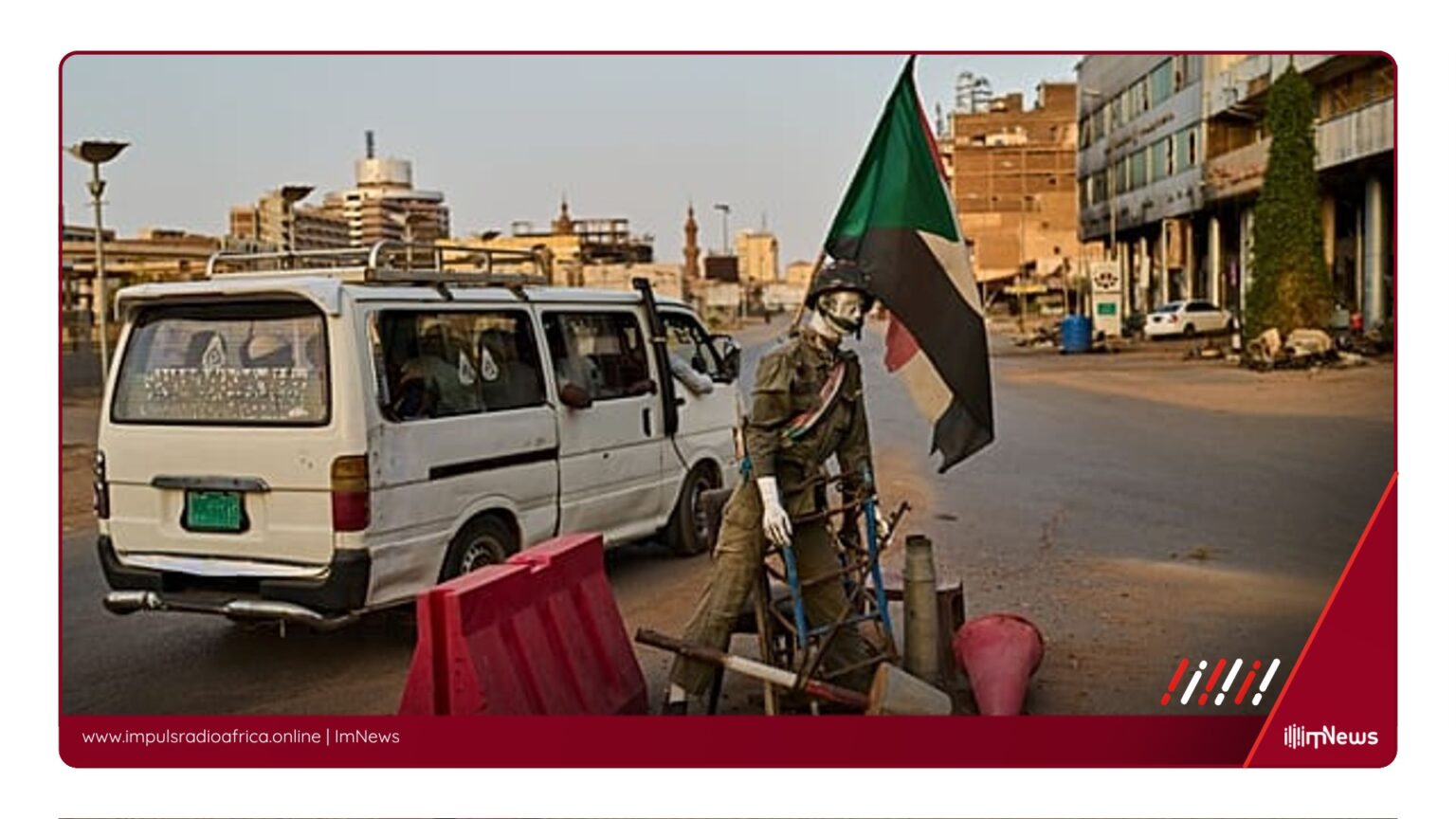
Khartoum, Sudan — April 22, 2026 One year since the Sudanese Armed Forces (SAF) reclaimed Khartoum, the capital city is witnessing a tentative return to normalcy amidst the scars of a relentless civil war.
The SAF’s intervention, which brought Prime Minister Kamil Idris’s aligned government back to power, has initiated a fragile revival of civilian life, though the city is far from its former vibrancy. Second Paragraph The UN has been actively involved in the capital since March 2025, marking the first official presence since 2023. Over 1.
8 million displaced persons have returned to Khartoum, with the UN IOM projecting another 2 million by year-end.
However, the city’s infrastructure remains in disrepair, with basic services like electricity and water struggling to resume normal operations. Third Paragraph While the government speaks of a gradual return to normalcy, the reality on the ground is more complex. Returning residents grapple with ongoing security concerns, a lack of essential services, and the economic aftermath of the conflict.
Humanitarian organizations and analysts offer a more cautious perspective, highlighting the fragility of the city’s recovery. Paragraph The United Nations Mine Action Service (UNMAS) and the UN Department of Safety and Security (UNDSS) are spearheading demining efforts in Khartoum, alongside the Sudan National Mine Action Center (NMAC).
The World Food Programme (WFP) and the IOM have sounded the alarm on the dire humanitarian conditions faced by those returning to the city.
As Khartoum slowly regains its breath, the challenges ahead are immense, and the resilience of its people, along with the efforts of the government and international organizations, will be pivotal in shaping the city’s future.
*Additional reporting by ImNews | Sources consulted: 5*
—
By This original article was produced by the ImNews editorial team
Source: Africanews
Source: Rédaction Africanews