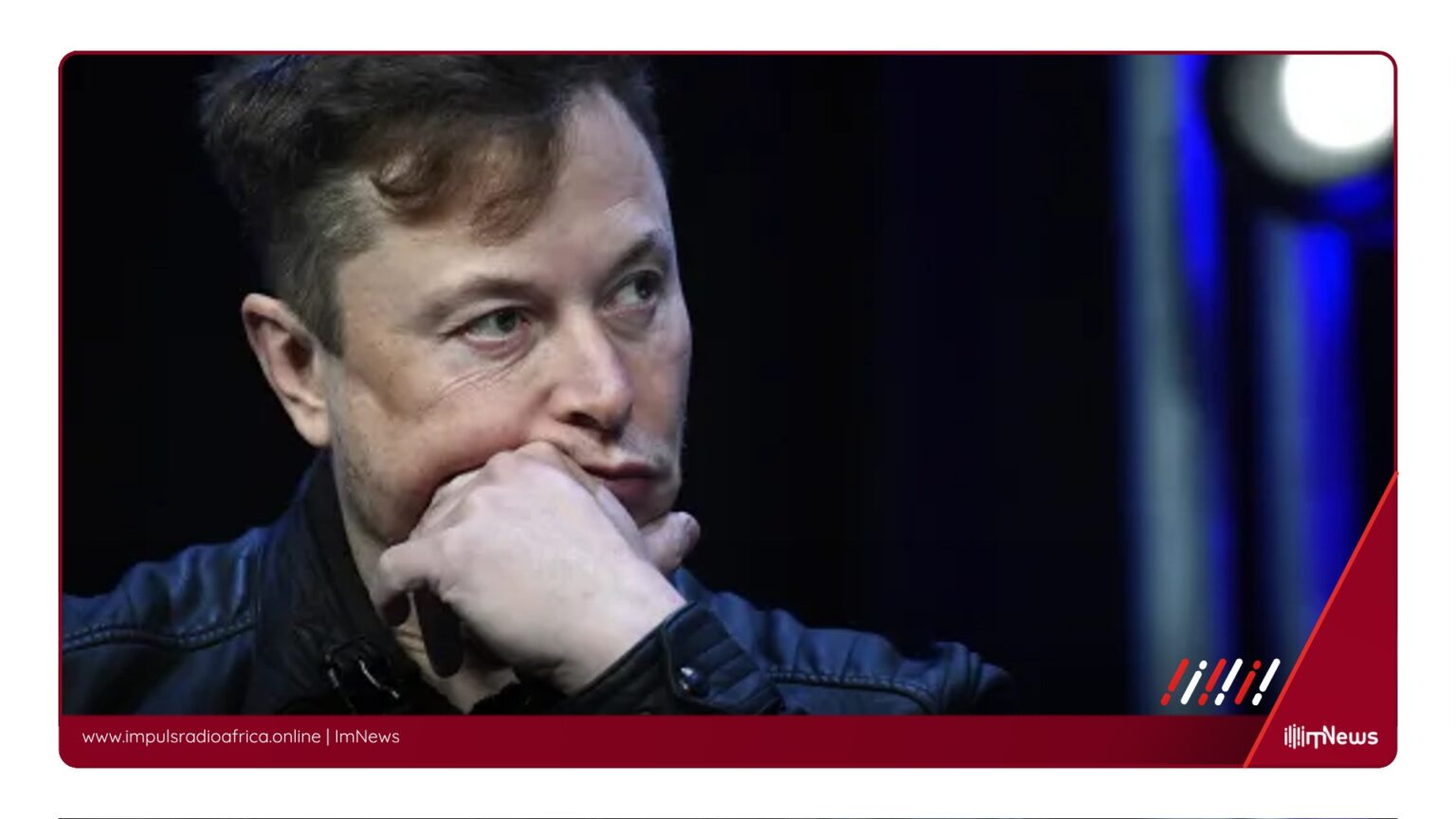
Billionaire entrepreneur Elon Musk has once again targeted South Africa, this time leveling serious allegations of bribery and discriminatory regulations against the country’s telecoms industry. Musk, who has been vocal in his criticism of the South African regulatory environment, has specifically targeted the Broad-Based Black Economic Empowerment (B-BBEE) policies, which he claims are impeding the licensing of Starlink, his satellite internet service.
In a series of posts on his social media platform, Musk accused South African authorities of asking Starlink to misrepresent its ownership or pay bribes to circumvent local race — based ownership requirements. The B-BBEE policies, designed to increase the participation of historically disadvantaged groups in the economy, require foreign firms to meet local ownership quotas favoring these groups. Musk argued that these rules are not only discriminatory but also serve as a barrier to foreign investment, particularly in telecommunications.
Musk’s allegations come as Starlink faces significant regulatory hurdles in South Africa, despite its rapid expansion across the continent. The service, operated by SpaceX, has been instrumental in providing internet access in regions with limited infrastructure, but it has yet to secure full regulatory approval in South Africa, one of Africa’s largest economies.
The controversy has reignited a broader debate over whether South Africa’s transformation policies are effectively deterring foreign investment in crucial sectors. Musk, who was born in Pretoria, has been particularly vocal about his opposition to these rules, arguing that they unfairly target companies that do not meet specific racial ownership criteria.
In a strongly worded statement, Musk refused to engage in any form of bribery, declaring that “racism should not be rewarded no matter to which race it is applied.”He further criticized what he described as “racist politicians in South Africa, “suggesting that they should be shunned for their actions. South African authorities have not yet formally responded to Musk’s allegations, but they have consistently maintained that all companies must comply with national laws and empowerment policies to operate in the country.
Source: Africa.businessinsider
Original author: Solomon Ekanem