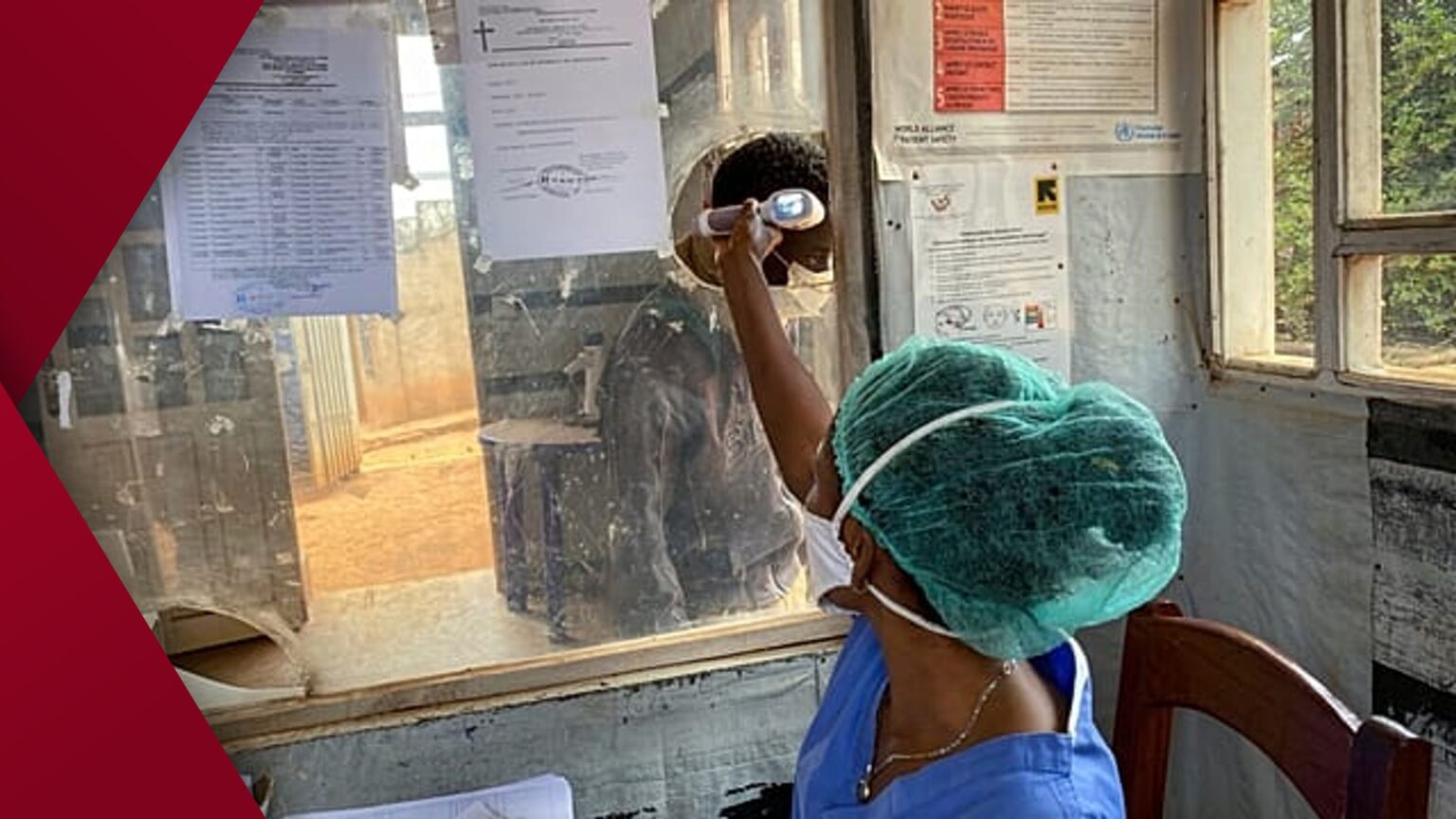
Kinshasa, DRC — The Democratic Republic of the Congo (DRC) has declared an end to the Ebola outbreak in the Kasai region, marking a significant victory in the fight against the disease. The declaration comes 42 days after the last patient was discharged from a treatment center on October 19, 2025.
The Kasai outbreak, which began in the Bulape Health Zone, resulted in 64 cases, including 53 confirmed and 11 probable, with 45 deaths recorded. The region, a rural community with limited infrastructure, also saw the disease spread to at least four neighboring towns.
The Ministry of Health, in collaboration with the World Health Organization (WHO) and other partners, implemented a rapid and coordinated response. Over 112 WHO experts and frontline responders were deployed, and more than 150 tonnes of medical supplies and equipment were delivered. More than 47,500 people were vaccinated against Ebola, with approximately 48,000 Ervebo vaccine doses deployed from the Gavi-funded global stockpile.
“This is a significant achievement for the DRC and the international community,” said Dr. Matshidiso Moeti, WHO Regional Director for Africa. “The successful containment of the outbreak in Kasai demonstrates the importance of early detection, rapid response, and community engagement.”
The Innovative Disease Treatment Module (IDTM), set up for the first time in an outbreak, provided safer and more patient-friendly care. Enhanced surveillance measures were also implemented to prevent further spread of the virus.
The end of the outbreak in Kasai comes as a relief to the affected communities and the DRC government, which has been battling multiple health crises, including the COVID-19 pandemic. Experts warn, however, that the fight against Ebola is not over, as the country remains at risk of future outbreaks.
“The declaration of the end of the outbreak is a moment to celebrate, but we must remain vigilant,” said Dr. Jean-Jacques Muyembe, Director of the National Institute of Biomedical Research in the DRC. “We must continue to invest in surveillance and preparedness to ensure that we are ready to respond to any future outbreaks.”
Source: Africa