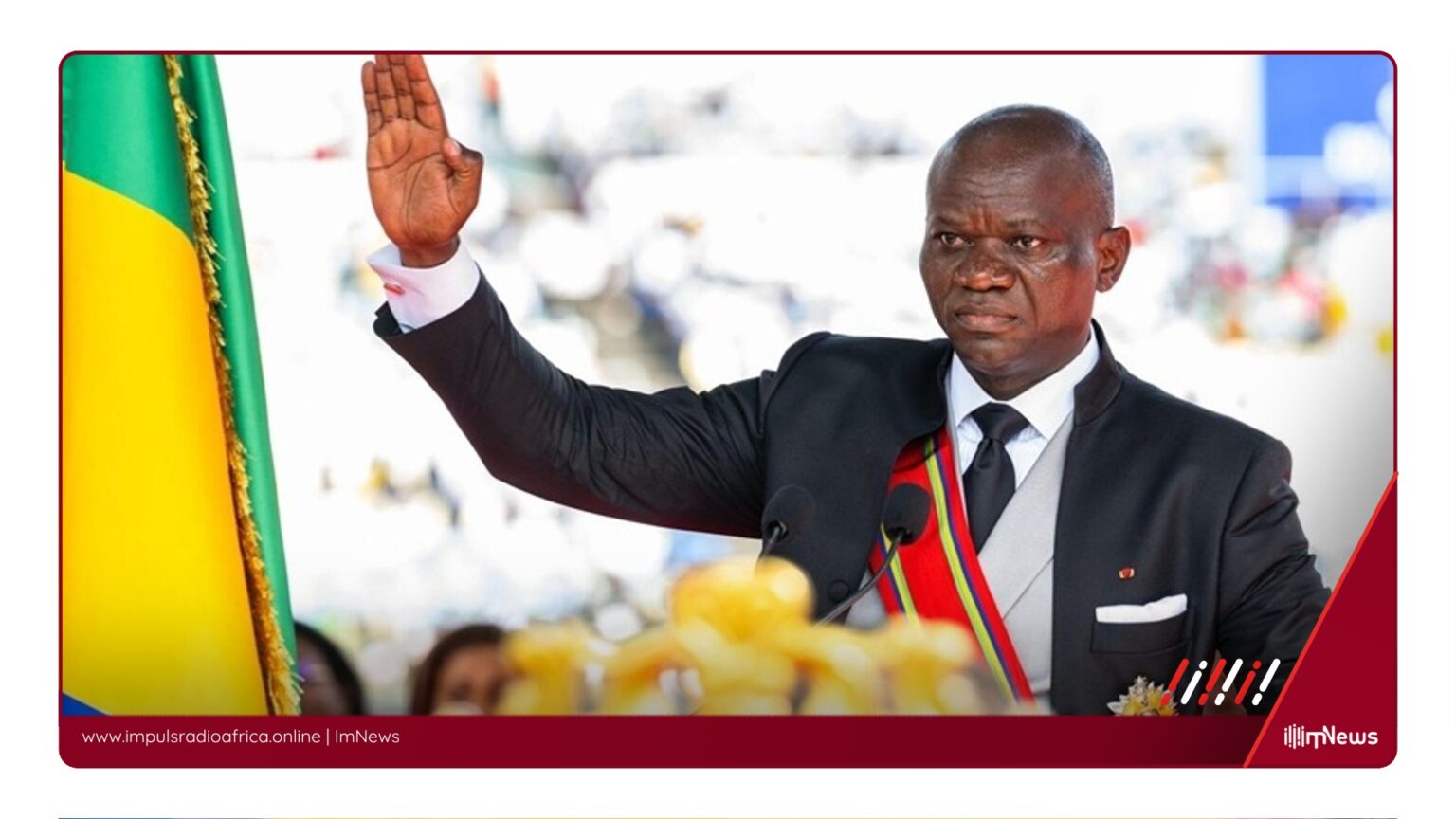
Libreville, Gabon — President Brice Clotaire Oligui Nguema of Gabon has initiated a transformative economic strategy that prioritizes economic sovereignty and strict fiscal discipline. This approach is aimed at reducing the nation’s reliance on foreign multinationals and promoting local industrialization.
The strategy includes the nationalization of key assets, such as the purchase of Assala Energy and Tullow Oil, and the opening of new mines. These measures are part of a broader effort to ensure that Gabon’s natural resources are managed and developed for the benefit of its citizens.
In addition to nationalization, the government has engaged in budgetary reforms.
The 2026 state budget, totaling over 6,000 billion FCFA, emphasizes a zero-based budgeting approach to eliminate non-priority spending, ensuring that public funds are allocated to essential services and development projects. International partnerships, particularly with the International Monetary Fund (IMF) and the African Development Bank, have been strengthened to enhance Gabon’s credibility and secure much-needed financial support.
The implementation of these measures has sparked debates about their potential social and economic impacts. While some argue that the nationalization of assets and strict fiscal measures are crucial for reducing foreign control and promoting local industrialization, others emphasize the need to balance economic growth with social welfare.
As Gabon navigates this new era of economic sovereignty and fiscal discipline, the success of President Oligui Nguema’s strategy will be crucial in shaping the nation’s economic future.
*Additional reporting by ImNews | Sources consulted: 5*
—
This original article was produced by the ImNews editorial team
Source: Agpgabon
Source: Redaction