Country: Lebanon Sources: UN High Commissioner for Refugees, United Nations Population Fund Please Refer to the Attached File.
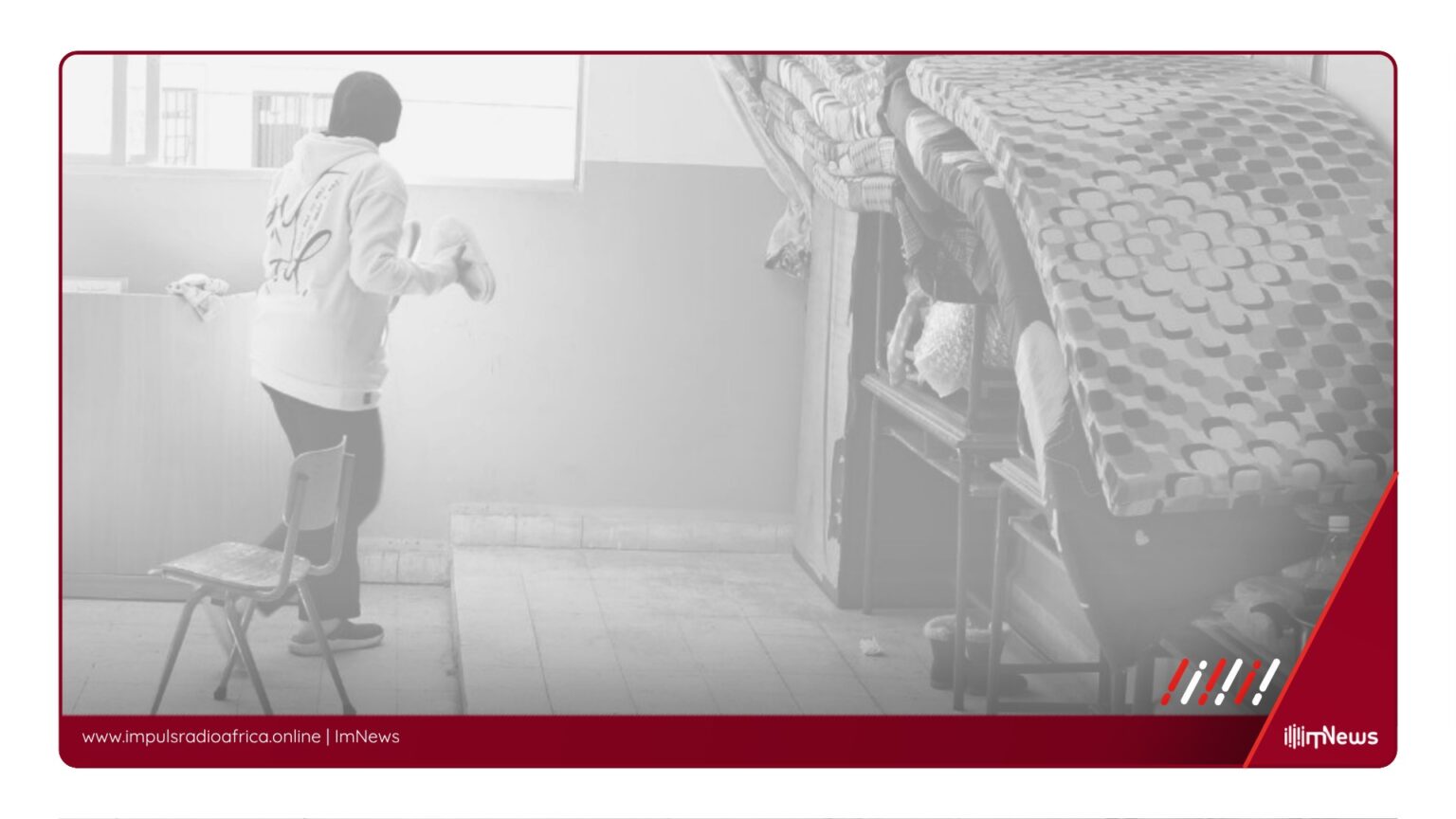
The GBV Safety Audit Report — Collective Shelters, Lebanon (May 2026) presents a comprehensive analysis of gender-based violence (GBV) risks within collective shelters across Lebanon during a period of large-scale displacement. Based on observations from 180 sites assessed between March and April 2026, the report examines how shelter conditions, infrastructure, and service delivery environments contribute to increased exposure to GBV, particularly for women and girls.
The findings reveal that while shelters remain operational, they are widely protection — compromised, with risks driven by structural and systemic gaps rather than isolated incidents. Key concerns include overcrowding, lack of internal privacy, absence of locks and partitions, insufficient lighting—especially at night—and limited availability of women and girl-friendly safe spaces. Water, sanitation, and hygiene (WASH) facilities are also highlighted as high-risk environments due to inadequate privacy, lack of gender segregation, poor lighting, and limited accessibility for persons with disabilities.
The report identifies particularly vulnerable groups, including female — headed households, adolescent girls, pregnant and lactating women, persons with disabilities, and older women, who face disproportionate exposure to risks. It also underscores significant gaps in communication with communities, including limited visibility of GBV and PSEA reporting mechanisms, and weaknesses in accountability systems during aid distributions. Geographical disparities are noted, with higher levels of risk observed in Beirut, Mount Lebanon, the South, and Baalbek-El Hermel, where shelter congestion and infrastructure constraints are most severe.
The report concludes that GBV risks in collective shelters are predictable and cumulative, shaped by environmental conditions, site management practices, and service limitations.
The report calls for urgent, targeted interventions to strengthen shelter design, improve privacy and safety measures, enhance inclusive access to services, and scale up GBV prevention and response efforts through coordinated, multi — sectoral action.
*Additional reporting by ImNews | Sources consulted: 5*
—
This original article was produced by the ImNews editorial team
Source: reliefweb
Source: UN High Commissioner for Refugees