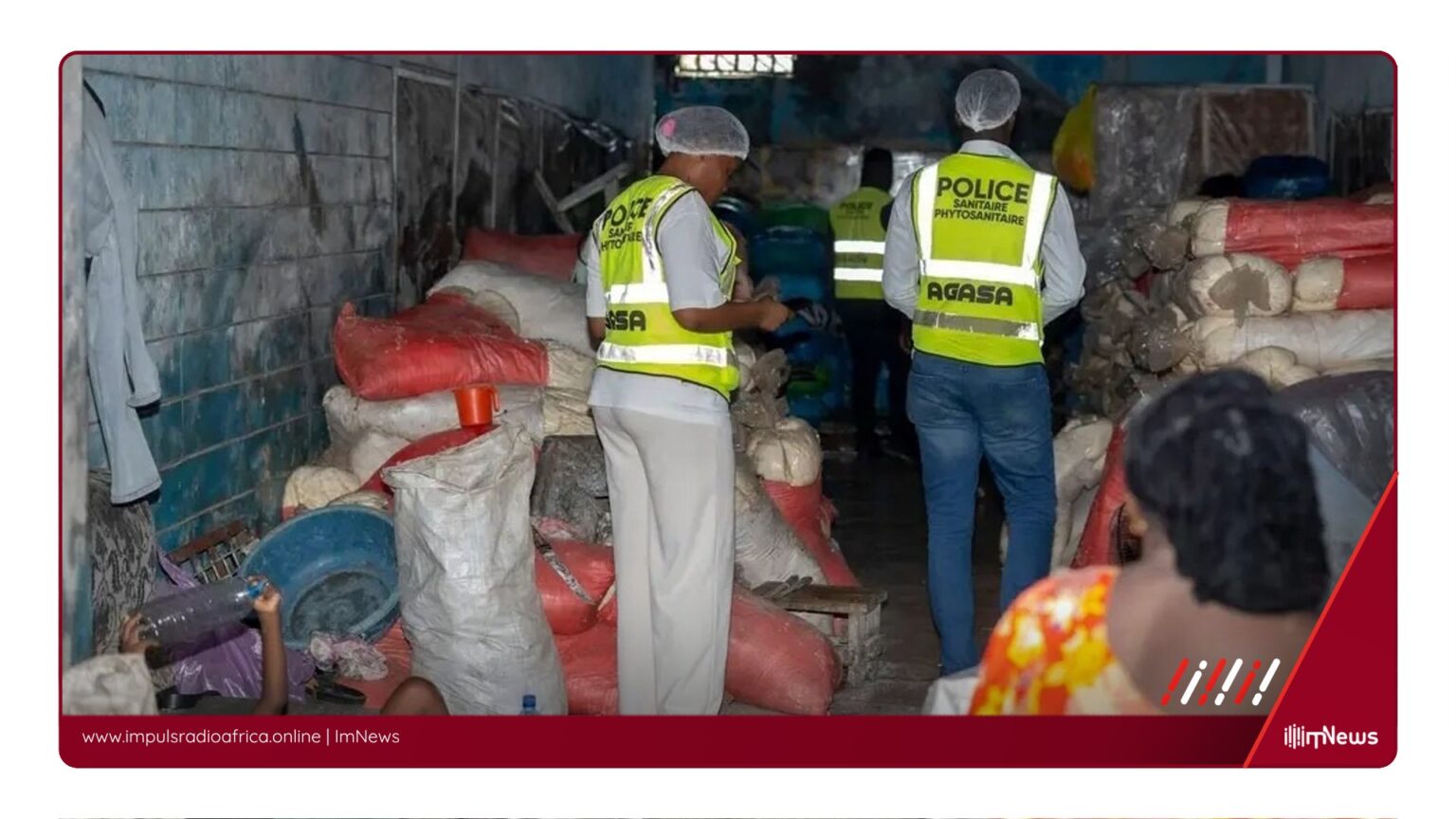
Libreville, Gabon — The Gabonese Food Security Agency (AGASA) has implemented a stringent measure by closing 12 cassava processing workshops in the PK8 market area of Libreville.
The action, which occurred on April 22, 2026, was necessitated by serious breaches of hygiene regulations, posing a health risk to the local population.
The AGASA’s decision to shut down the workshops underscores its commitment to maintaining high standards of food safety. Inspections revealed alarming conditions, including the presence of runoff water in storage areas, the use of unsuitable bags, and poor hygiene in handling zones. AGASA has emphasized that these lapses expose the public to confirmed health hazards.
In response to these risks, AGASA has ordered the immediate closure of the affected workshops and reaffirmed its dedication to ongoing inspections across the national territory to ensure food security for all.
The agency’s proactive stance in enforcing food safety regulations is a critical component of its mission. Dr. Jean Delors Biyogue Bi Ntougou, the head of AGASA, has been vocal about the importance of hygiene in food-related commercial activities, particularly given cassava’s status as a staple in Gabon.
The closures come as a stark reminder of the potential dangers in the informal food sector, where many small — scale businesses operate without proper regulation or hygiene standards. This situation is likely to raise concerns among local businesses and consumers regarding the impact on their livelihoods and access to food. While AGASA’s actions are aimed at safeguarding public health, there may be concerns about the potential impact on small businesses.
Critics might argue that the agency’s enforcement is too stringent and could harm these businesses without adequate support for compliance. AGASA’s approach to this issue is comprehensive, encompassing not just enforcement but also education and support.
The agency has been actively working to provide training and resources to businesses to assist them in meeting the necessary standards.
The closures at the PK8 market are a testament to AGASA’s dedication to ensuring food safety in Gabon. This proactive approach and commitment to hygiene in food-related activities serve as a commendable example for other regions facing similar challenges.
In conclusion, the closure of the 12 cassava processing workshops by AGASA in Libreville is a decisive move to protect public health.
The agency’s efforts to improve food safety are crucial and, while they may cause short-term disruptions, the long-term benefits for public health are clear.
*Additional reporting by ImNews*
—
This original article was produced by the ImNews editorial team
Source: Agpgabon
Source: Redaction