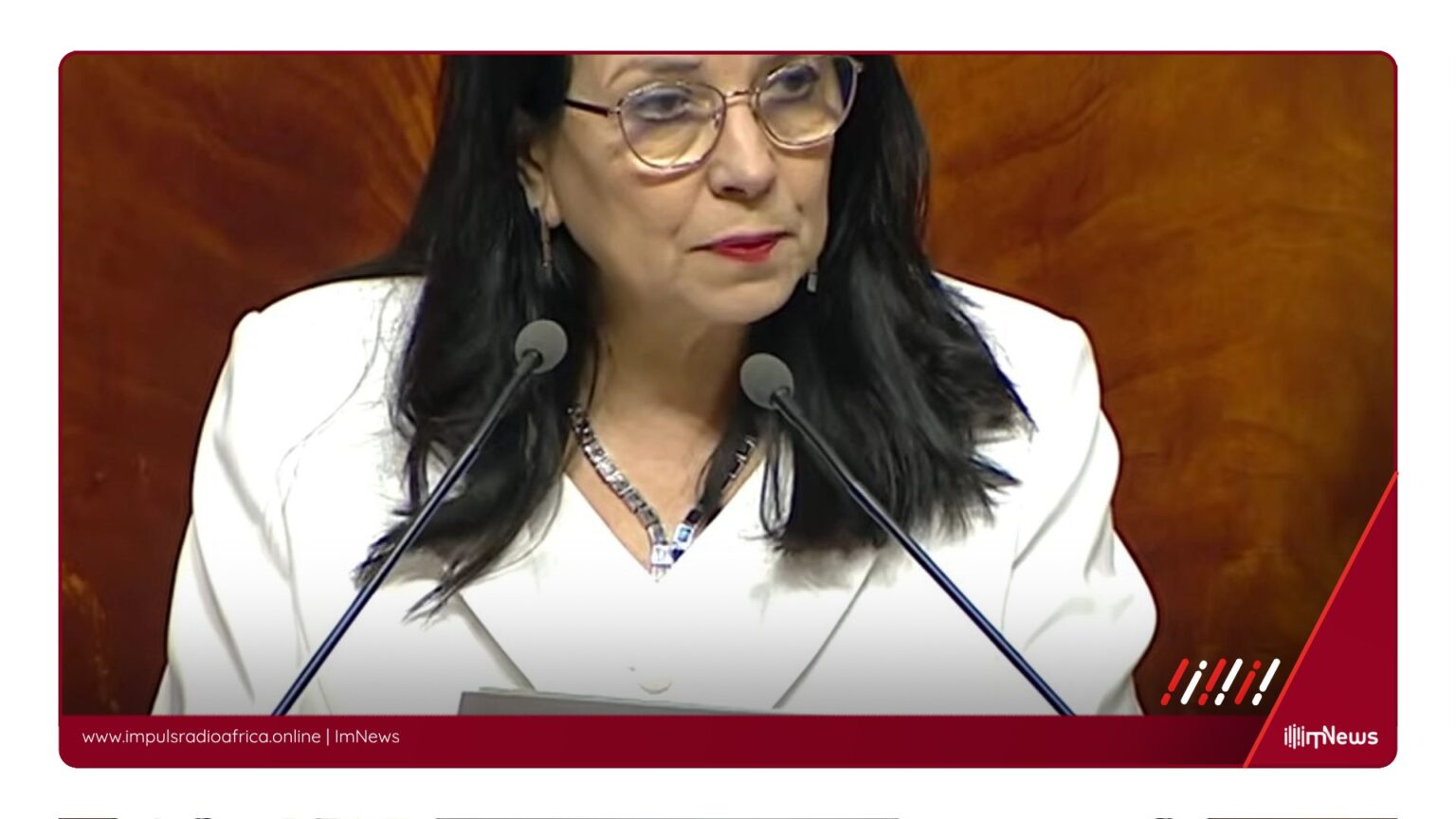
Agadir, Morocco — April 20, 2026 — Moroccan Delegate Minister for Digital Transition and Administrative Reform, Amal El Fallah Seghrouchni, has clarified that the adoption of GMT+1 as the standard time across the country is a matter of institutional choice, not a sectoral policy. Speaking before the House of Representatives, Seghrouchni outlined the legal framework governing the time system, emphasizing the Royal Decree No. 2.
18. 86 of October 26, 2018, which stipulates the addition of 60 minutes to the legal time.
The minister acknowledged the widespread public opposition to the GMT+1 time change, particularly in light of recent protests.
However, she argued that the decision to maintain GMT+1 year-round is rooted in the country’s economic integration requirements and the daily expectations of citizens. “.
The government is aware that this issue affects the daily lives of families, public administration, schools, and various aspects of social and economic activity, “Seghrouchni stated.
In response to the protests, the government has implemented a series of measures to mitigate the impact of the time change, including flexible working hours in public administrations and adapted school schedules. Seghrouchni emphasized the collaborative nature of the government’s approach, stating that the handling of this matter involves participation from all government sectors.
The debate over GMT+1 has gained momentum, particularly following comments by Energy Transition Minister Laila Benali, who suggested that the change has limited effects on energy savings and electricity demands.
The opposition Justice and Development Party (PJD) has vowed to abolish the time change if it wins the upcoming 2026 elections, arguing that GMT+1 negatively impacts citizens’health and well-being. Despite the public outcry, the government maintains that GMT+1 is crucial for economic competitiveness and alignment with European partners. Morocco has been observing GMT+1 since 1980, aligning with its major trading partners in Europe.
Critics, however, argue that GMT+1 disrupts sleep patterns, leading to health issues and decreased productivity.
*Additional reporting by ImNews | Sources consulted: 3*
—
By This original article was produced by the ImNews editorial team
Source: moroccoworldnews
Source: Hanane Afeznaoui