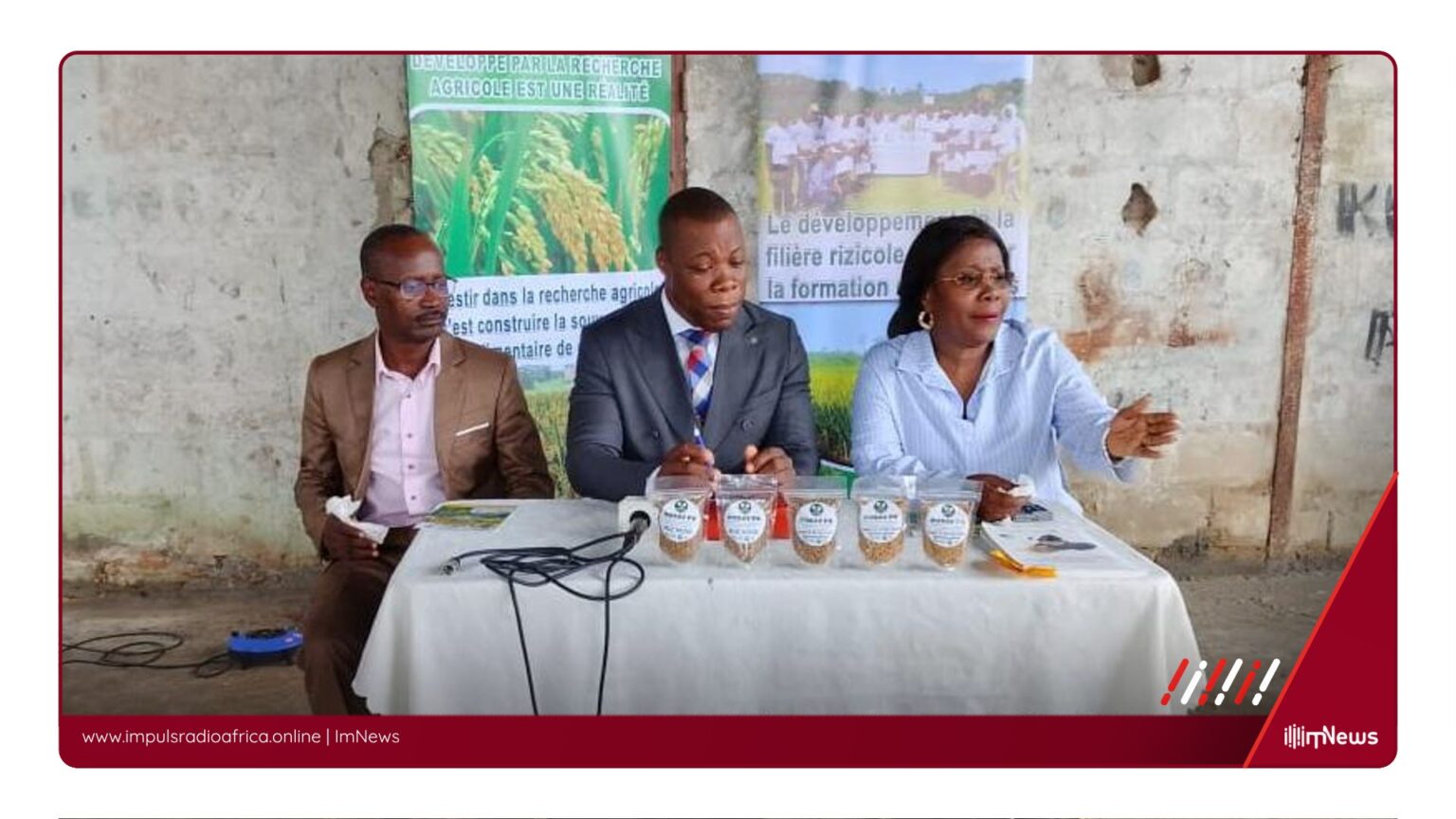
Kougouleu, Gabon — April 20, 2026 The Gabonese government has marked a significant milestone in its quest for food self-sufficiency by commencing the second phase of an intensive rice cultivation training program.
The initiative, held at the Kougouleu Experimental Rice Station, represents a collaborative effort between the Gabonese government, the Japan International Cooperation Agency (JICA), and the Association of Former Gabonese JICA Trainees (AASGJ). This program is an integral part of the National Rice Development Strategy (NRDS), which aims to decrease Gabon’s reliance on rice imports, a significant drain on the national budget. Rice imports, costing over 41 billion CFA francs annually, have been a point of concern for the government.
The NRDS sets a goal to produce 60% of the national rice demand locally by 2033.
The current phase of training is centered on practical implementation, including the establishment of demonstration micro — sites showcasing advanced rice cultivation techniques. Five new rice varieties, tailored to Gabon’s soil and climate, have been developed to enhance the program’s success.
The Kougouleu Experimental Rice Station has been instrumental in this endeavor, serving as the operational hub for the National Program for Selection and Varietal Improvement — Seed Production (PNSAV-PS).
The government’s commitment to self-sufficiency in rice production underscores its priorities for food security and economic stability.
The NRDS not only emphasizes sustainable agricultural development and poverty reduction but also aims to boost productivity and create employment opportunities.
As the training continues, it is anticipated that these new techniques and varieties will increase rice yields and improve the livelihoods of rural farmers. This program is a crucial step in Gabon’s strategic food security initiatives and its dedication to sustainable development.
The Kougouleu Experimental Rice Station is set to expand training and technology transfer through NRDS initiatives and international partnerships, aiming to transition rice farming from experimental research to widespread adoption across rural areas, with the ultimate target of achieving 60% self-sufficiency by 2033.
*Additional reporting by ImNews | Sources consulted: 4*
—
By This original article was produced by the ImNews editorial team
Source: Agpgabon
Source: Redaction