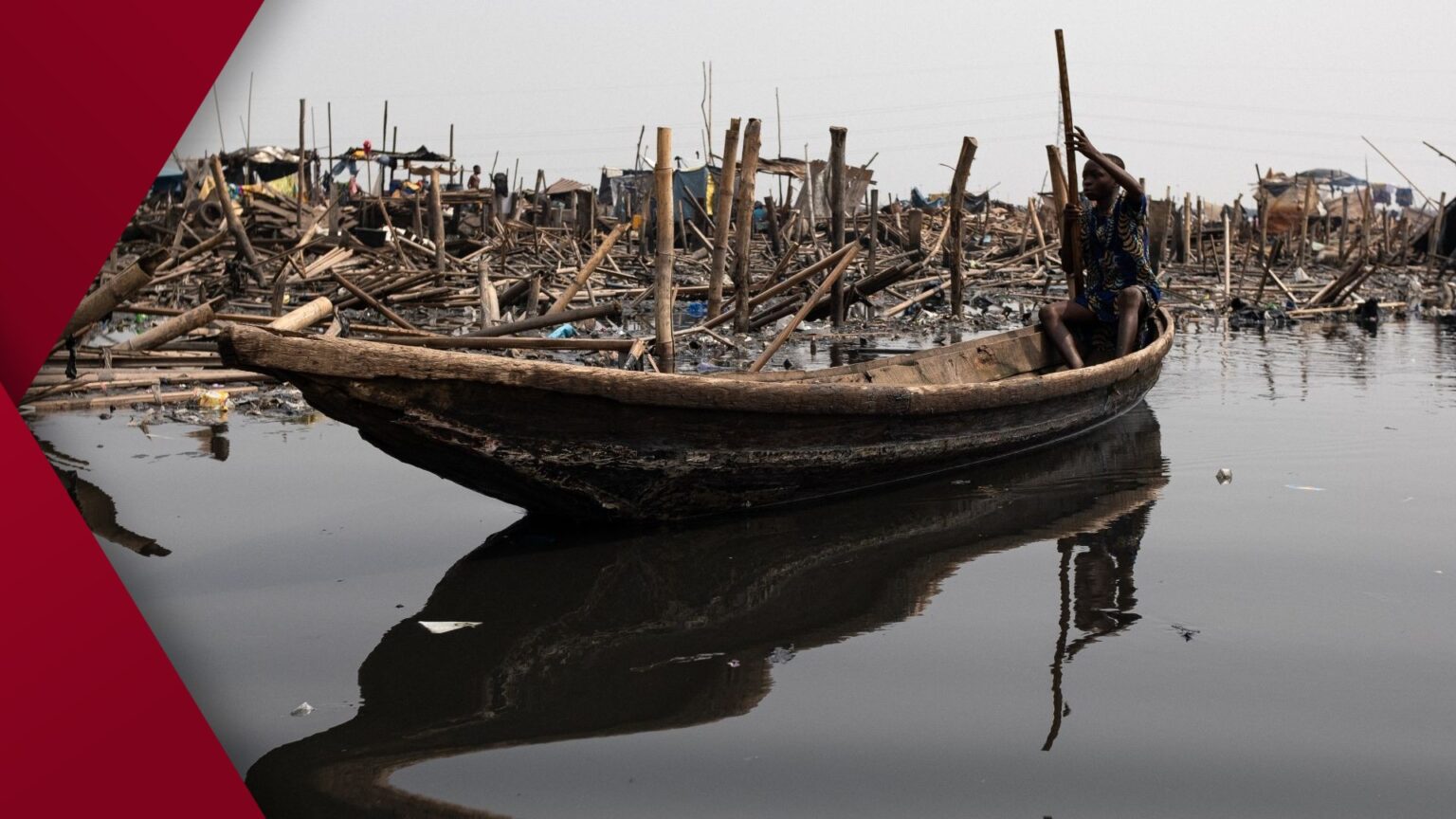
Lagos, Nigeria — Authorities have halted a six-week demolition drive in the waterfront settlement of Makoko after lawmakers intervened, leaving thousands of residents without homes and prompting calls for compensation that has yet to be paid. Local sources report that wooden structures on stilts were pulled down from late December until the Lagos State House of Assembly ordered works to stop earlier this month. Officials stated the clearance was needed to keep dwellings 100 metres away from high-voltage power lines serving the Third Mainland Bridge, but community leaders say excavators advanced up to 500 metres inside the neighbourhood, wrecking homes, small businesses and canoes.
Tunde Agando, 30, told local media he returned from the mainland market to find the house he shared with 15 relatives reduced to driftwood; his barbershop was removed the same afternoon. “We now sleep on mats under a shed,” he said adding that the family is considering relocation to Ikorodu on the city’s north-east fringe. Government statements indicate that a verification committee will list affected property before any pay-out is decided.
The commissioner of information repeated on 4 February that compensation is planned, yet no schedule or amount has been announced. Independent observers say at least twelve deaths, including two infants, occurred during the exercise, a figure officials have not confirmed. Makoko, a lagoon-side fishing village dating to the nineteenth century, is home to an estimated 200,000 people who supply much of Lagos with fresh and dried seafood.
Wooden classrooms, churches and fish — smoking platforms were among structures levelled, and residents ferried salvaged beds and cooking pots in canoes while police cordons blocked access, according to eyewitnesses. Civil society groups argue that Nigeria’s constitution requires prior negotiation and prompt payment when dwellings are removed for public purposes.
A water — front regeneration project endorsed by the assembly this week bars residents from rebuilding on cleared plots; details of alternative sites or monetary relief remain under discussion.
Further details are expected once the state completes its damage survey.