Lake Malawi Faces Biodiversity Threat from Plastic Pollution. Lilongwe, Malawi — Lake Malawi, a UNESCO World Heritage Site and one of Africa’s most significant freshwater ecosystems, is addressing an escalating threat from plastic pollution.
The lake, renowned for its unique biodiversity, is home to over a thousand species of cichlid fish, many found nowhere else on Earth.
However, researchers and conservationists are sounding the alarm over the accumulating plastic waste on the lakebed, which they say is disrupting fish breeding, contaminating the food chain, and damaging the lake’s appeal to tourists. Evolutionary biologist Professor Kenneth McKaye, who has been studying Lake Malawi’s cichlids since 1977, warns that the pollution is increasingly interfering with fish reproduction and poses risks to human health. “Garbage can come on the breeding platforms, or in the territories, of the males.
It makes it difficult for the fish to breed, “McKaye explains. He also highlighted the ingestion of plastics and microplastics by the fish, which then enter the human food chain. While targeted clean-ups can help protect specific tourist areas, McKaye stresses that the long-term solution lies in policy change. “.
What is necessary is to stop the single — use plastics in Malawi, and follow the example of other countries such as Tanzania and Kenya, “he.
On the ground, a local team of divers is working with the NGO HEEED — Health, Education, Environment and Economic Development — based in Cape Maclear.
The team conducts regular underwater clean — ups, removing plastic bottles, bags, and other debris from the lake floor.
Divemaster Felix Sinosi emphasized the impact of underwater pollution on both wildlife and tourism. “
The garbage that is underwater seems useless. But it is destructive, “he. “.
When diving tourists come here with cameras to see fish, instead they see garbage underwater, which is not good.”
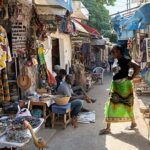
Collected waste is repurposed through upcycling initiatives, providing livelihoods for local residents. Fishani Choice, a garbage diver, is part of a team that transforms recovered waste into craft products sold to visitors. “.
We dive three times a week to clean up the lake, “Choice. “
We collect garbage like glass bottles, plastic bottles, plastic bags, tins. We work with these items to recycle them into crafts.”.
Despite Malawi producing tens of thousands of tonnes of plastic annually, most of it single — use, the country lacks government-run recycling facilities, allowing waste to be blown or washed into the lake.
Pollution from neighboring countries that share Lake Malawi also contributes to the problem. Conservationists urge stronger enforcement of plastic bans and a decisive move away from single-use plastics to protect this remarkable freshwater ecosystem.
Further details are expected as the situation unfolds.