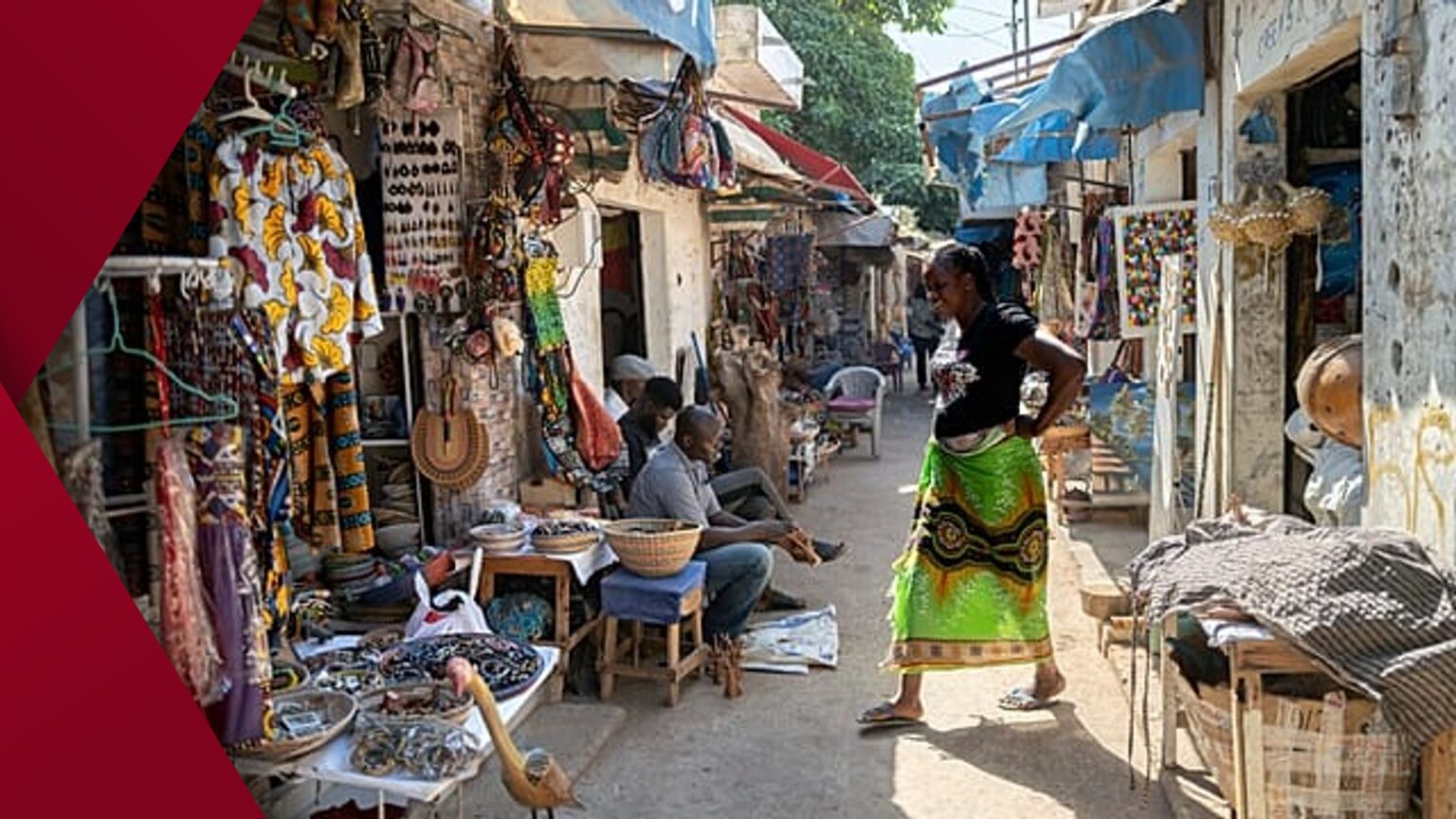
Mborine, Senegal — Women who weave Senegal’s signature reed baskets are urging authorities to keep more export earnings in their villages, saying current prices trap them below the cost of materials even as the baskets sell for more than six times as much abroad. Under a mango tree in Mborine, a village in the northwest, Khady Sene threads dyed plastic strips around coils of reed, a technique her mother taught her. Finished hampers travel 30 km to the roadside stall of Fatim Ndoye, who pays the weavers roughly 3,000 CFA francs (five dollars) for a laundry-size basket, according to local reports.
Comparable pieces shipped to Europe or North America retail for upwards of 150 dollars, with most of the markup absorbed by middlemen and foreign retailers. “I’ve been doing this work since I was born,” Sene told reporters. “Those who come to the market buy them at ridiculously low prices that don’t even allow us to cover our costs.
” Official statements indicate the craft, centred in a cluster of Wolof-speaking villages, generates steady export revenue, yet no regulations guarantee producers a set share. Development worker Fatima Jobe, who runs Dakar shop Imadi, pays 260 village women in advance and collects finished goods by truck, removing the need for daily market trips. Even with her higher scale, Jobe says Senegal lacks the packaging plants and export credit that help Vietnamese factories dominate the niche.
Adama Fall, a 49-year-old widow in Thiembe, coordinates orders for Imadi while weaving three large baskets a week.
The income keeps her children in school, she says, noting that four local youths who attempted the Atlantic migrant route five years ago have not been heard from since. Artisans told reporters they want either a government-mandated price floor or cooperative buying centres that could bargain collectively.
The trade ministry has not announced new measures, and further details on possible support were not immediately available.
*Additional reporting by ImNews*