Cameroon’s Humanitarian Crisis Intensifies as 3. 3 Million Urgently Need Aid. Yaoundé, Cameroon — As of 31 December 2025, Cameroon faces an escalating humanitarian crisis, with 3.
3 million people in dire need of assistance and protection services, according to the United Nations Office for the Coordination of Humanitarian Affairs (OCHA). Despite the 2025 Humanitarian Response Plan (HRP) aiming to assist 2. 1 million of the most vulnerable, only 1 million have received aid, representing just 48 per cent of the target.
The shortfall in funding, with only 24 per cent of the required US$ 359. 3 million received, exacerbates the situation.
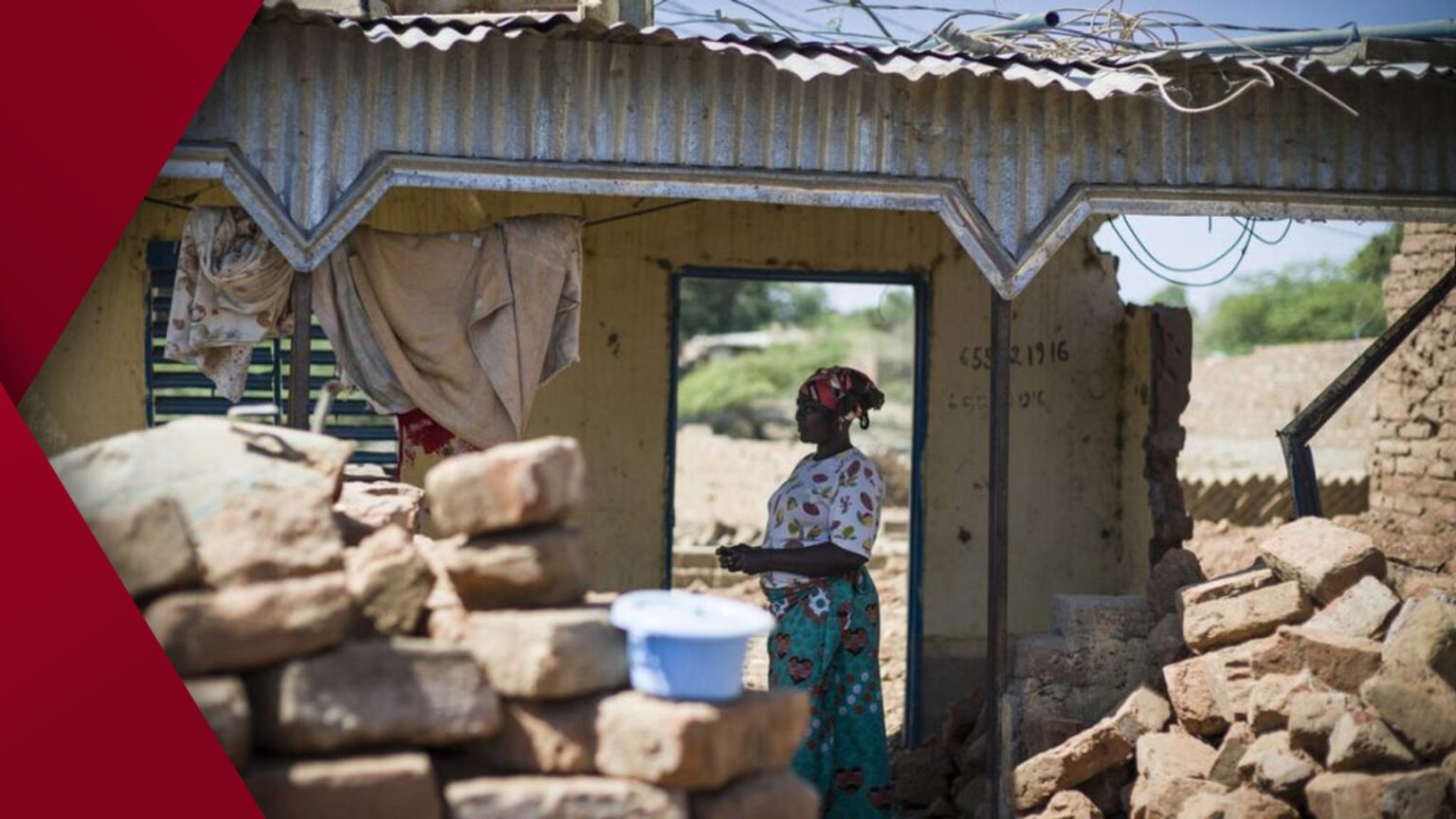
The ongoing crisis is compounded by a mix of armed conflict, localized violence, climate shocks, and disease outbreaks, collectively heightening humanitarian needs across the nation.
The Far North, North West, South West, and eastern regions are most affected, with the Far North region alone hosting approximately 1. 5 million people requiring assistance, including around 961,000 targeted under the HRP. Humanitarian actors have reached about 1 million people across the crisis-affected areas since the start of the year, but this is a significant decrease from 2024.
The 48 per cent achievement rate underscores the vital role of funding in ensuring timely and effective aid delivery.
The gap between needs and assistance is largely attributed to insufficient financial resources and operational constraints, including insecurity and limited access to certain areas. Despite these challenges, the cumulative effects of displacement, violence, and natural hazards continue to erode community resilience.
The humanitarian situation demands sustained engagement from national authorities, international donors, and humanitarian organizations to close the funding gap and expand coverage for those most at risk. OCHA emphasizes that addressing Cameroon’s humanitarian crisis requires coordinated action and adequate funding to protect lives and livelihoods. Without sufficient support, millions of people remain exposed to food insecurity, health risks, and the long-term impacts of displacement.