In a continent where the quest for truth has long been a communal endeavor, South Africa’s recent reforms around Protected Disclosures mark a significant departure from tradition. Here, the guardians of public integrity have traditionally been individuals, not anonymous offices or distant bureaucracies. They are the ones who step forward, driven by the community’s wellbeing, under the collective shield of the people. This is the essence of the African way, where truth is a communal possession and those who bear it are protected by the community.
The Zondo Commission, a critical inquiry into corruption, exposed the seepage of corruption into the state’s veins and highlighted the crucial role of whistleblowers as the last line of defense when institutions fail. It depicted a nation that leaned on individuals, akin to precolonial societies, yet lacked the communal protection that once defined African governance. Scholars like Professor Rehana Cassim and Dr Maryam Khan have documented the dangers faced by whistleblowers in South Africa, without the communal ethic that once supported them.
The stories of Babita Deokaran, Athol Williams, and Mosilo Mothepu exemplify the courage Africa has always honored. Deokaran followed the money trail, identifying danger, and paying the ultimate price at her doorstep. Williams exposed corporate fingerprints on state capture and left the country, aware of the storm that was brewing around him.
Mothepu revealed financial misconduct and was forced to rebuild her life on the fringes of the society she defended. These individuals, standing in the ancient African role of the truth-bearer, lacked the ancestral shield that once protected such figures.
The sacrifices of these truth — tellers have transformed legal reform from a policy discussion into a moral imperative. Across the continent, corruption is estimated to drain $148 billion annually from Africa, more than just stolen funds, but stolen futures. The United Nations Office on Drugs and Crime notes that whistleblowers expose over 40 percent of corruption cases globally. Yet, fear silences millions, as seen in the cases of Jacob Juma in Kenya, those who exposed oil theft networks in Nigeria, and the diamond field whistleblowers in Zimbabwe.
Now, South Africa introduces its new Protected Disclosures framework, not with speeches but with a structure and protection. The law treats whistleblowing as a structural function of governance, not just an act of individual heroism. It clarifies what constitutes detrimental action and occupational harm, ensuring dismissals, demotions, and blacklisting can no longer be masked by neutral language.
It recognizes that harm is not just physical or financial but also psychological, reputational, and social. Confidentiality is now a shield, with revealing a whistleblower’s identity without lawful cause becoming a criminal offense.
The reforms link protected disclosures to the Witness Protection Act, providing access to relocation, new identities, and security measures when threats escalate. This shifts the moral landscape of governance, emphasizing that the identity of a truth-teller is not casual information but protected ground. When a society reaches the point where unmasking a whistleblower attracts criminal consequences, it signifies the state’s protection between the whistleblower and their detractors.
Procedurally, the proposed Bill mandates institutions to create secure reporting channels, acknowledge disclosures within specific timeframes, and assign them to competent officials. This is crucial as many potential whistleblowers are not only afraid of retaliation but convinced that their voices will fall on deaf ears. When the system demonstrates its responsiveness, whistleblowing transitions from an act of desperation to a part of governance.
South Africa’s reforms position the country within a global movement while maintaining a distinctly African voice. The inclusion of Legal Aid access, the link to witness protection, and the explicit recognition of psychological and social harm reflect a context where threats are not just legal but also physical and economic. This is not a borrowed model but an African state grounding global principles in its own soil.
These reforms align with Africa’s older governance traditions, where the voice that speaks for the community was protected by the assembly, the lineage, and the community. South Africa’s reforms move from sentiment to structure, from sympathy to protection, from talk to action. If implemented with the proposed seriousness, these reforms could offer a model for other African states, not as a foreign import but as a return to their own governance heritage.
The proposed Bill stands before Parliament, awaiting deliberation, amendment, and adoption. It is the responsibility of lawmakers to turn principle into enforceable protection. If Parliament strengthens and adopts this Bill, South Africa will move closer to a governance order where truth is not punished, courage is not isolated, and the state stands beside those who defend the public good.
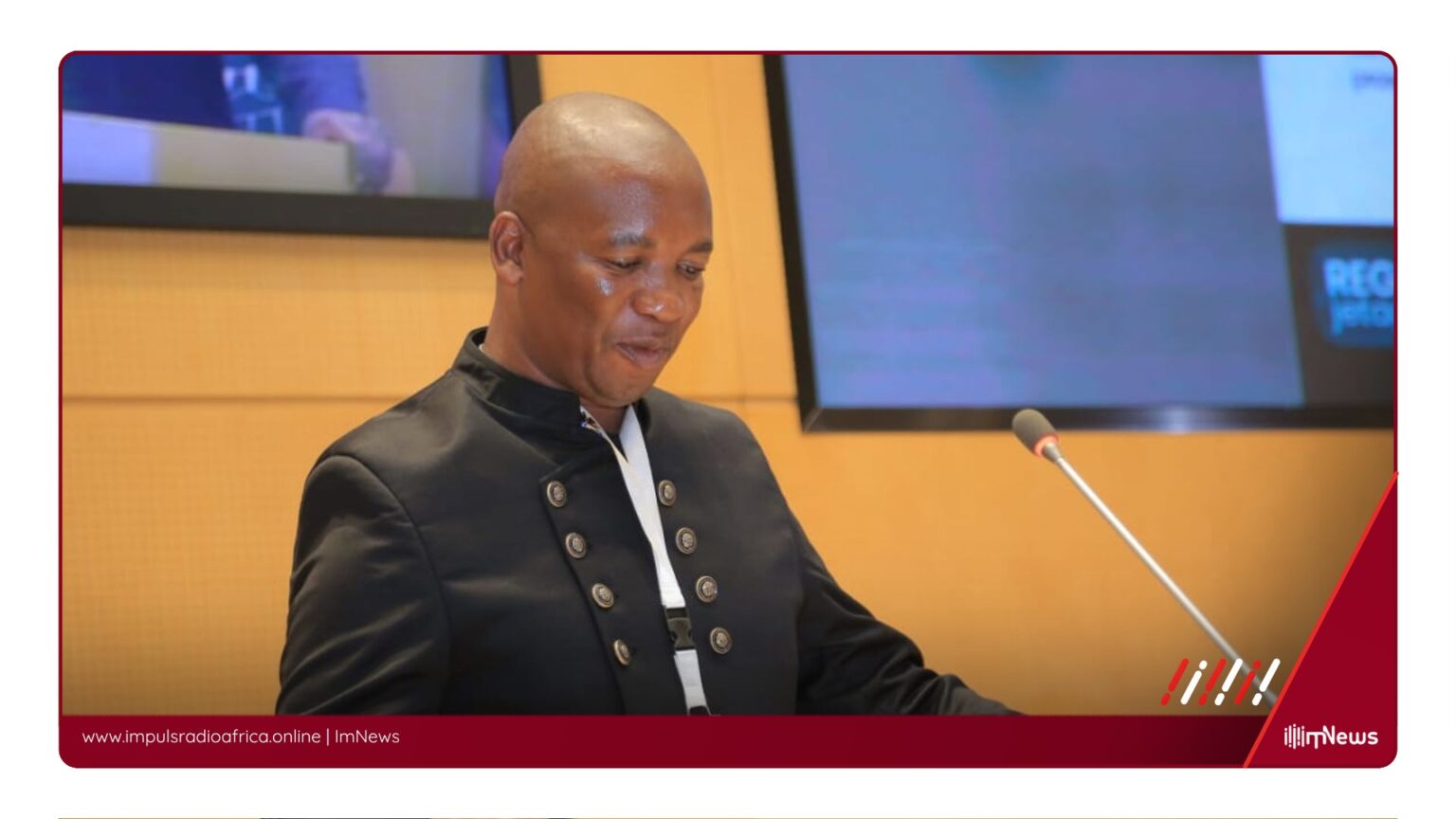
Ambassador Godfrey Madanhire, Chief Operations Officer of Radio54 African Panorama and an advocate for sovereign African governance, sees these reforms as a significant step in protecting truth-tellers.
Source: Panafricanvisions
Original author: By Amb. Godfrey Madanhire