The World Health Organization (WHO) in Lesotho has reaffirmed its unwavering commitment to eradicating sexual misconduct, including any form of retaliation against those who report such violations. This stance is grounded in a victim- and survivor-centered approach, which places a premium on the dignity, safety, and access to vital support services for those affected. Lesotho’s struggle with gender-based violence (GBV) is particularly acute, with distressing statistics revealing that 86% of women have suffered some form of violence in their lifetime, and 14.5% were victims of sexual violence before the age of 18, according to the World Population Review of 2022.
In response to these alarming figures, WHO Lesotho, in partnership with various UN agencies, has been diligently working to fortify national systems designed to prevent and address sexual exploitation, abuse, and harassment (SEAH). The organization has bolstered survivor-centered services within the health sector, improved data collection and analysis to inform policies and programs, and fostered community initiatives aimed at combating GBV. This has been achieved through the establishment of reporting channels that specifically target GBV within local communities.
The WHO’s collaborative efforts have extended to the UN Country Team, civil society organizations, academic institutions, and government partners, creating a robust multisectoral response that offers survivors access to medical, psychosocial, and legal support. This comprehensive approach has been instrumental in ensuring that those affected by GBV receive the assistance they need.
In a significant stride towards integrating Prevention of Sexual Exploitation, Abuse and Harassment (PRSEAH) into all operations, the WHO Lesotho has achieved several notable milestones. One of the highlights includes the collaboration with other UN agencies and partners to establish and launch a Multi-Purpose Centre for Victims and Survivors of GBV. This center has significantly enhanced access to comprehensive survivor services.
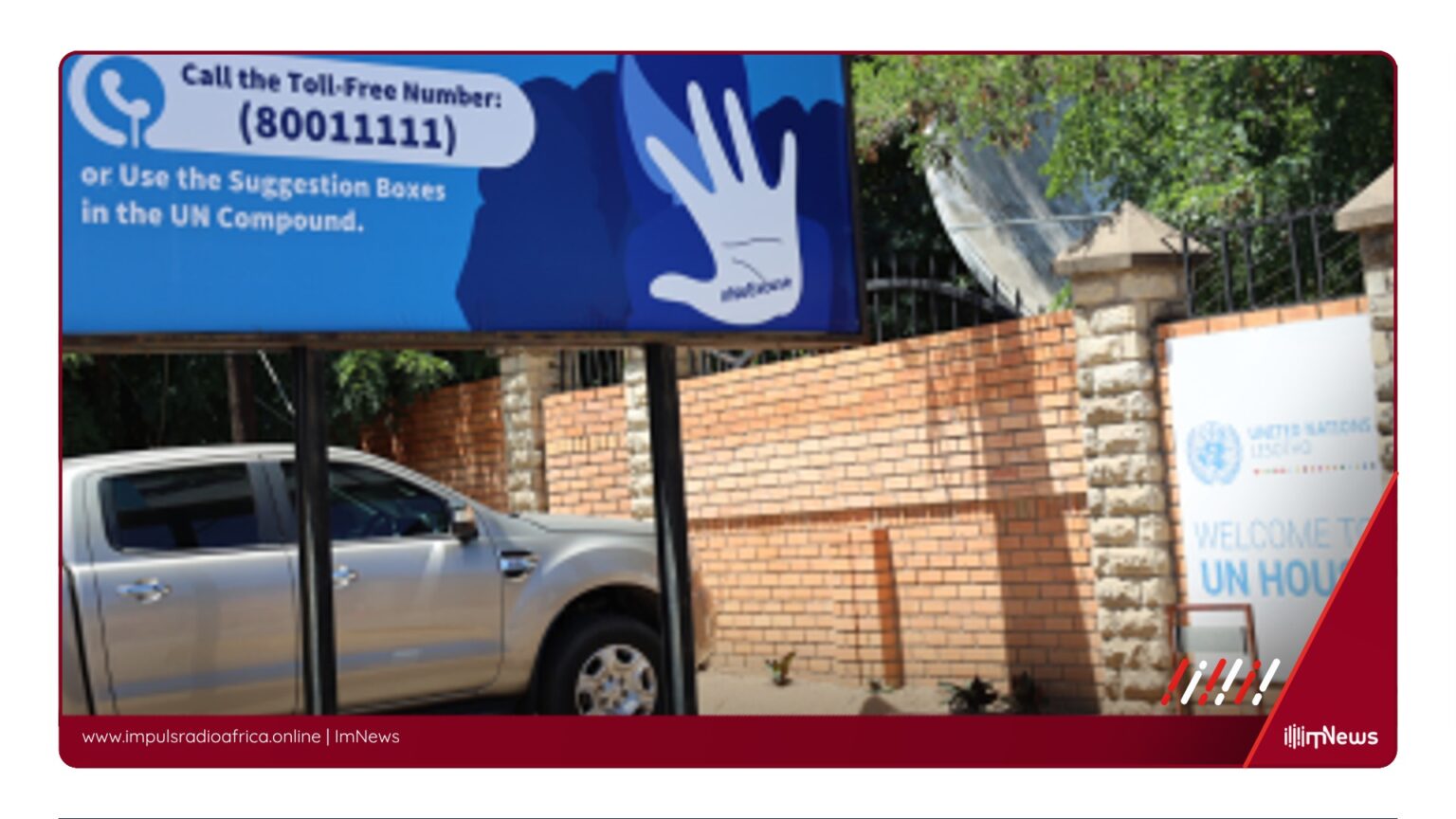
Additionally, the creation of external PRSEAH reporting channels, including toll — free numbers, has provided safer avenues for community reporting. Internally, the UN Country Team’s reporting mechanisms have been strengthened to enhance coordination and responsiveness, marking a substantial improvement in the organization’s ability to address these issues promptly.
Source: Africa Health