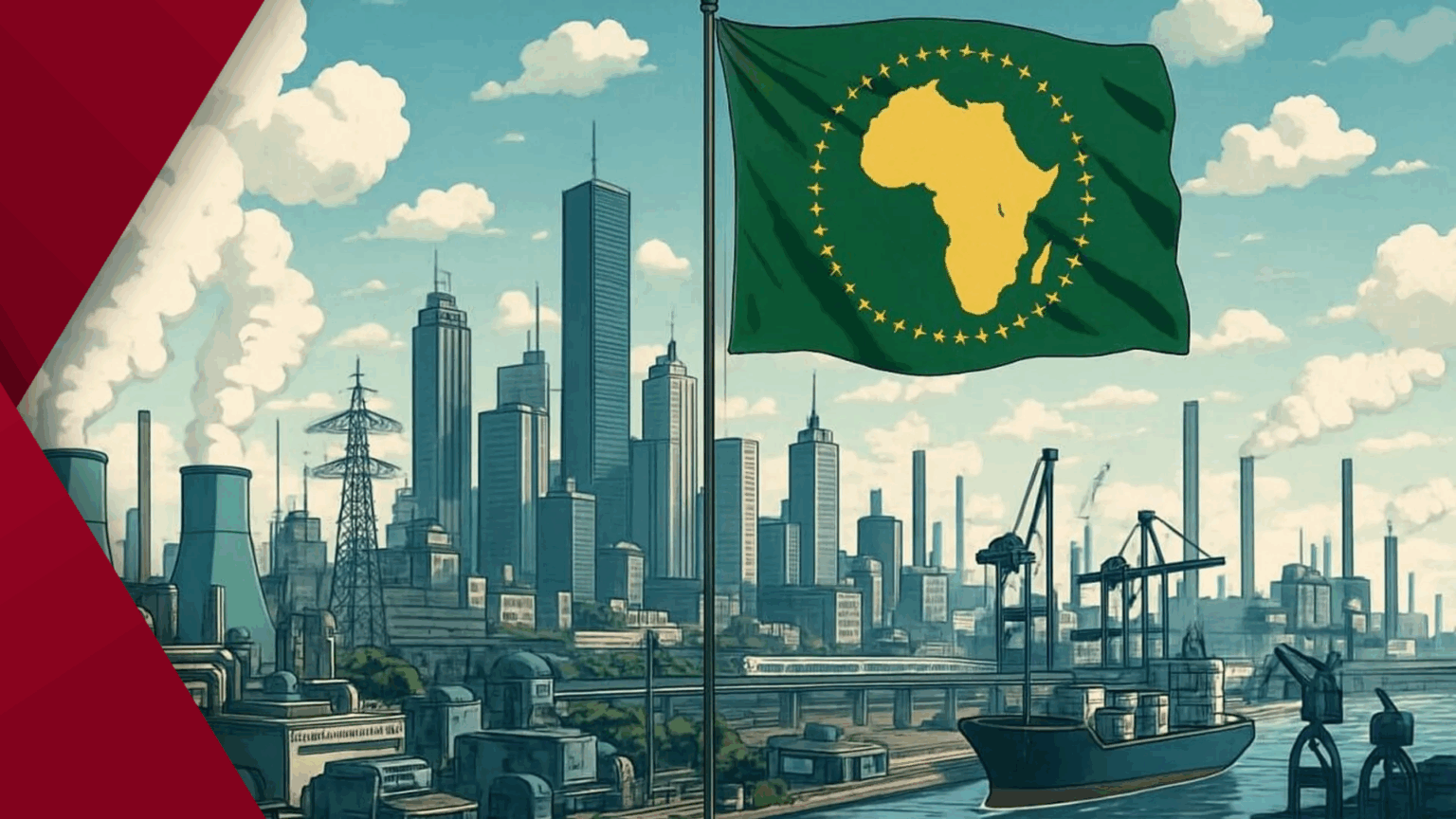
Addis Ababa, Ethiopia – As Africa marks Africa Day, questions surrounding the continent’s interrupted development due to colonialism are once again in focus. In a reflective exploration of alternate history, AI-generated analysis offers a glimpse into what Africa might have become without colonial intervention—a narrative of empowered kingdoms, economic autonomy, and cultural resurgence.
A Different Political Landscape
Without the scramble for Africa and the Berlin Conference’s arbitrary borders, powerful pre-colonial states such as the Ashanti Empire, Buganda Kingdom, and Ethiopian Empire might have evolved into modern constitutional monarchies or federal republics. A pan-African vision could have emerged earlier, grounded in shared language, trade routes, and spiritual traditions, leading to regional unions similar to the historic Mali Empire.
Economic Prosperity and Self-Sufficiency
In the absence of exploitative colonial policies, Africa’s natural resources—from gold and spices to ivory and oil—may have remained under indigenous control. Cities like Kano, once textile powerhouses, and trade networks along the Swahili Coast might have driven early industrialization. Instead of dependency, Africa could have enjoyed economic sovereignty, setting its own terms in global trade.
Unbroken Cultural and Intellectual Renaissance
With uninterrupted development, the intellectual traditions of Timbuktu, the bronze artistry of Benin, and the metallurgical innovations of Great Zimbabwe might have ushered in African renaissances. Languages like Swahili, Yoruba, and Amharic could have competed with global lingua francas, while cultural symbols like kente cloth and Berber architecture could have reached worldwide acclaim.
Though speculative, this AI-assisted historical vision honors Africa’s rich heritage while underlining the devastating long-term impacts of colonialism. It also serves as a reminder of the continent’s potential when given the space to define its own path.
Source: