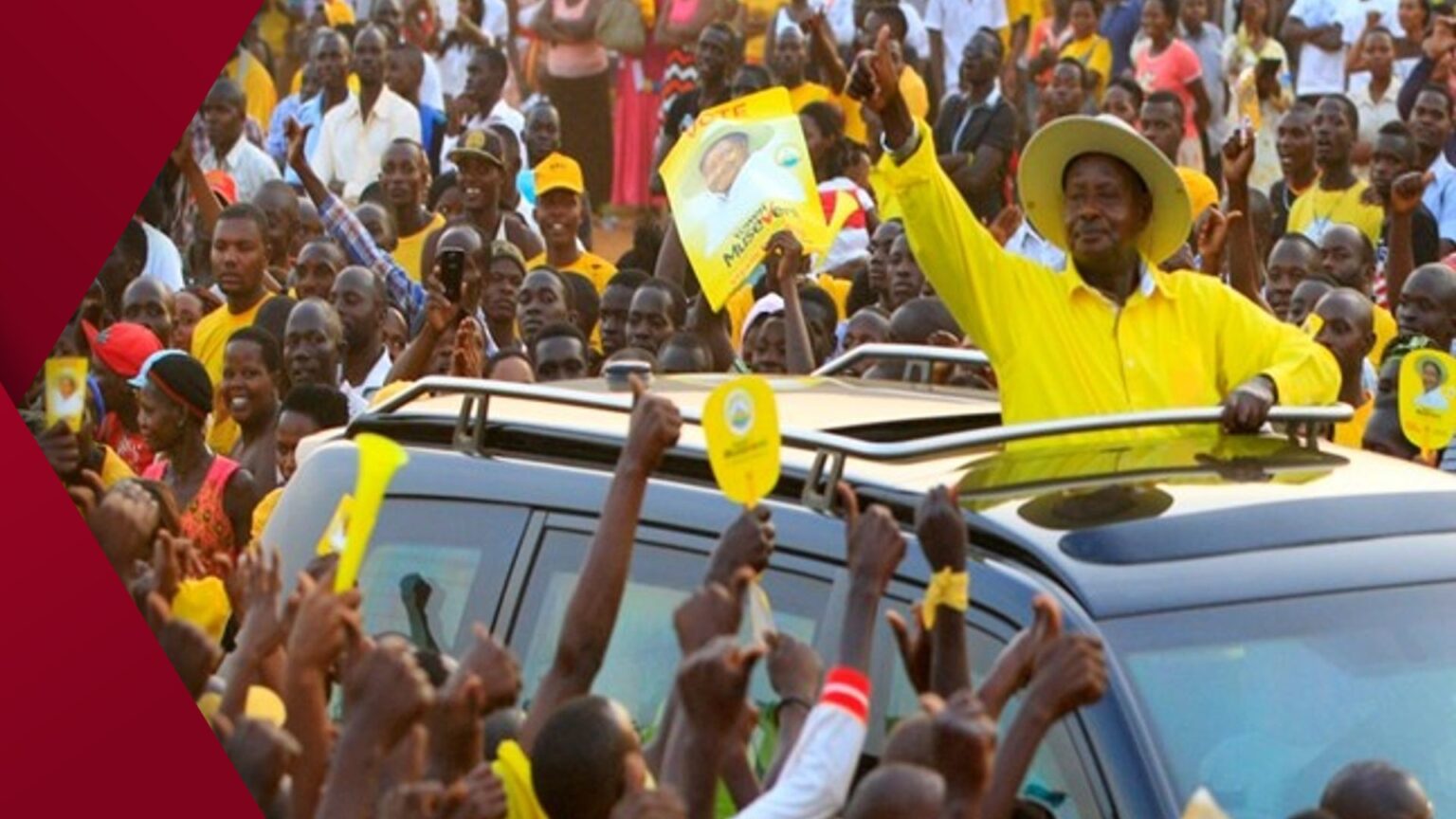
Uganda’s Election Nears: Digital Connectivity at the Heart of Pre-Election Tensions. Kampala, Uganda — 2026-01-13 Lead Paragraph: As Uganda prepares for its upcoming election on January 15, 2026, the role of digital connectivity has emerged as a contentious issue, with fears of internet restrictions casting a shadow over the electoral process.
The increasing reliance on digital platforms for communication, commerce, and information has placed internet access at the forefront of discussions surrounding the election.
According to local reports, there have been growing concerns about potential internet shutdowns, with some areas experiencing slower data speeds and complete loss of connectivity. Government officials have maintained that any measures taken are for security reasons, emphasizing that there will be no “blanket shutdown “but rather targeted monitoring and precautions.
However, this stance has done little to quell public anxiety, particularly in light of past experiences during elections.
In the 2021 elections, despite official denials, days of digital silence followed, leaving citizens reliant on radio and rumors for updates. This history has led to a cautious approach among the population, with many preparing for potential disruptions by stocking up on power banks and seeking alternative communication methods.
The opposition has framed internet access as a fundamental right and a necessity for transparency in the electoral process.
They argue that without social media and citizen reporting, the election risks being perceived as illegitimate, even if it is technically sound. Civil society groups have also expressed concerns, noting that internet shutdowns can have far-reaching consequences beyond politics, affecting education, healthcare, and emergency response systems.
International observers are closely monitoring the situation, with some expressing concern about the potential impact of connectivity restrictions on the fairness of the election.
The inconsistency in internet service availability further fuels uncertainty. While some areas report regular service, others experience intermittent blackouts, leading to speculation about the reasons behind the inconsistencies.
In the face of these challenges, officials continue to emphasize the importance of maintaining order and preventing chaos.
However, the broader pre — election environment, marked by arrests of activists and limits on rallies, has contributed to a climate of mistrust.
The controversy over internet access in Uganda’s upcoming election highlights the complex interplay between technology, politics, and security.
As the election approaches, the country finds itself in a state of digital suspense, with the fate of connectivity hanging in the balance.
The outcome of the election and the extent of internet restrictions remain to be seen. Further details are expected as the situation develops.