CITY, Country — Amid the complexities of a fragmented global economic landscape, currency stability has become a cornerstone of economic resilience for African nations.
The continent faces a mix of external pressures, including geopolitical tensions and shifting trade alliances, which have exacerbated currency vulnerabilities. This editorial examines the top 10 African countries with the weakest currencies in April 2026, highlighting the factors contributing to their economic challenges.
The Sierra Leonean Leone is identified as the weakest currency on the continent, with a conversion rate of roughly 22,910 units to purchase one US dollar.
The Nigerian Naira follows closely, ranking 10th weakest, with a value ranging from 1,490 to 1,531 per USD.
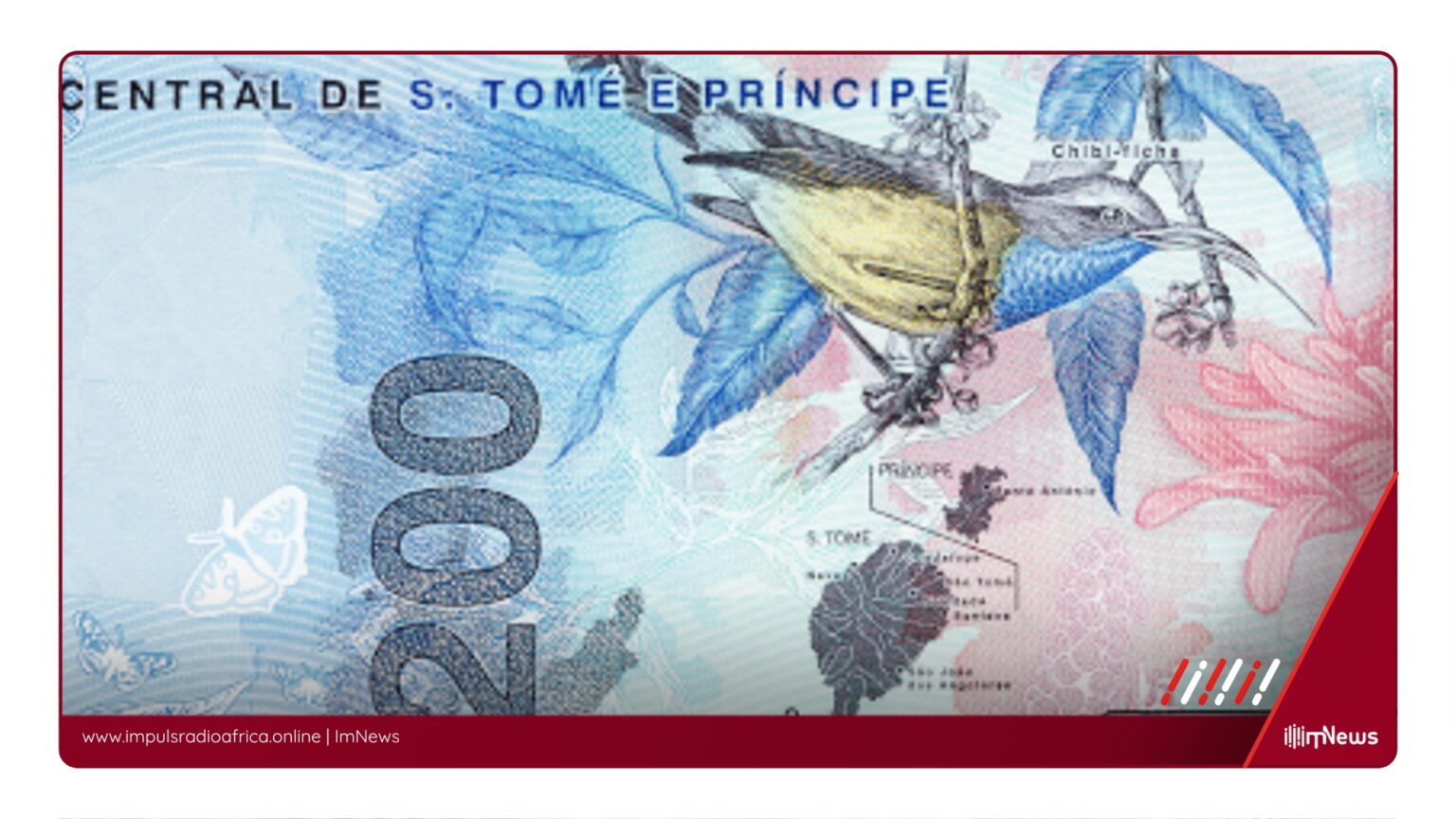
The depreciation of these currencies is attributed to a confluence of global economic pressures and domestic economic challenges, such as inflation, trade deficits, and limited foreign exchange reserves. São Tomé and Príncipe’s economy, bolstered by state-owned enterprises, has shown signs of recovery from a severe energy crisis in 2023.
However, political instability and governance challenges in countries like Libya and the Democratic Republic of Congo (DRC) have also contributed to currency weakness.
The Libyan dinar has seen a significant decline of 17. 80%.
The Tanzanian shilling, Zambian kwacha, and West African CFA franc are among the other currencies that have weakened against the US dollar.
The African Business Insider reports that currency stability is a critical factor in economic resilience, especially in commodity — dependent economies.
The Central Bank of Nigeria has acknowledged the challenges faced by the Naira, forecasting a 4. 49% growth rate and easing inflation for 2026.
However, the depreciation of the Naira remains a concern, reflecting broader economic challenges within the country.
The situation underscores the need for comprehensive economic reforms and policies that can stabilize African currencies and mitigate the impact of external shocks.
The IMF’s Country Economic Memorandum for São Tomé and Príncipe emphasizes the need for the country to reorient its economy toward the private sector to generate robust and inclusive growth.
The weakening of African currencies has profound implications for trade, investment, and the daily lives of citizens across the continent. Addressing these challenges requires a coordinated effort from governments, financial institutions, and international partners to promote economic stability and resilience.
*Additional reporting by ImNews | Sources consulted: 5*
—
This original article was produced by the ImNews editorial team
Source: Africa.businessinsider
Source: Chinedu Okafor