





— Lead Paragraph: The United States has committed $480 million in public health aid to the Ivory Coast as part of President Donald Trump’s America First Global Health Strategy.
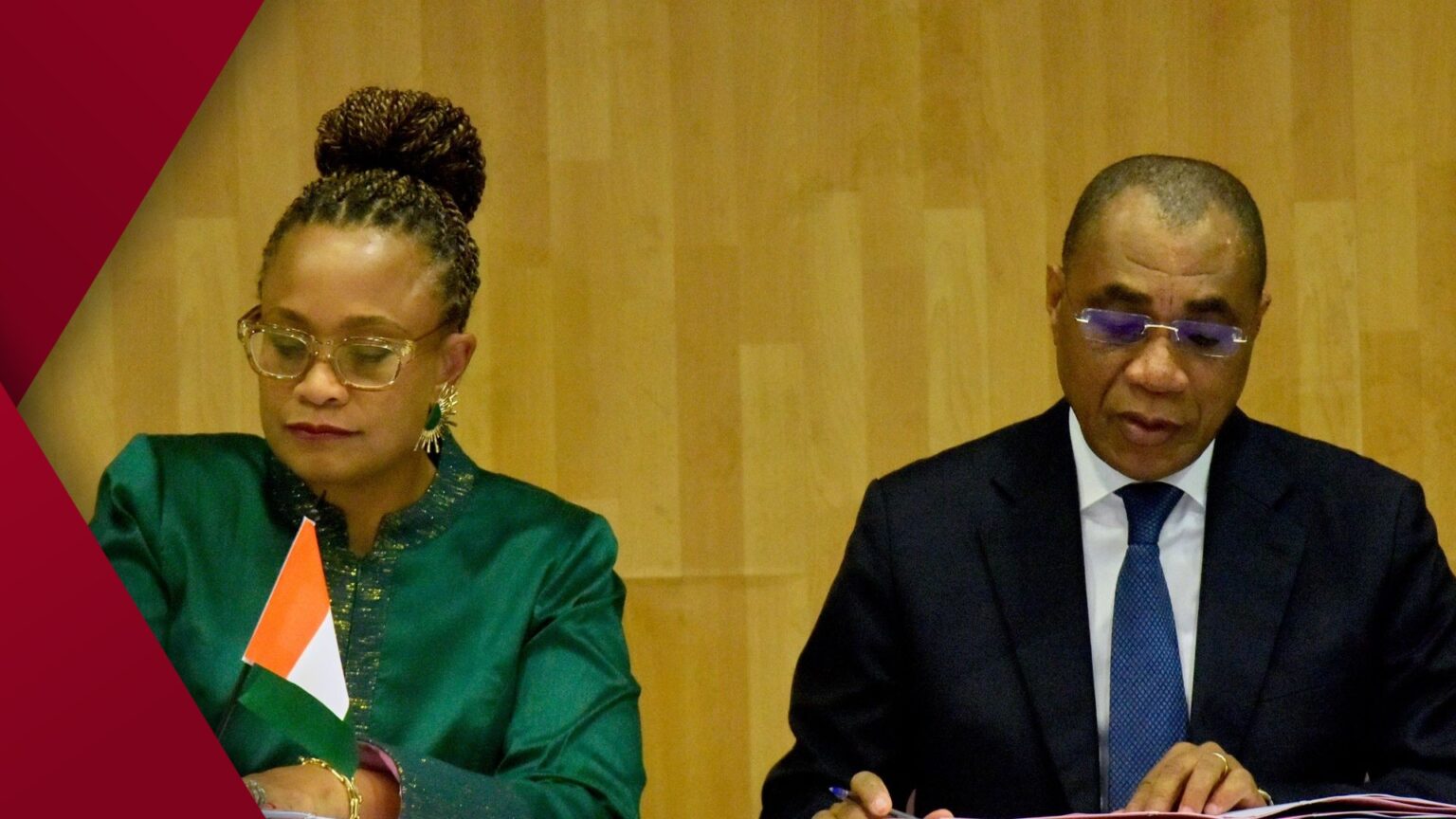
The agreement, inked in Abidjan, Ivory Coast’s capital, marks the latest development in the Trump administration’s approach to international health assistance, which includes bilateral agreements aimed at enhancing accountability and self-sufficiency.
The Trump administration has argued that traditional foreign aid models have been inefficient and wasteful.
The America First Global Health Strategy, according to officials, aims to create more direct and accountable relationships with recipient countries.
The ambassador to the Ivory Coast, Jessica Davis Ba, emphasized the shift towards a model focused on trade, innovation, and shared prosperity. Under the agreement, the Ivory Coast has committed to contributing up to $292 million to health funding by 2030, according to Ivorian Prime Minister Robert Beugre Mambe.
This deal is the largest of the more than a dozen bilateral arrangements the Trump administration has reached so far under the new strategy.
However, the strategy has faced criticism from public health experts who question its efficacy and its transactional nature.
The Center for Global Development’s analysis earlier this month highlighted potential risks to service delivery and public health gains, including the possibility of public health priorities being influenced by transactional pressures and questions over oversight.
Despite the concerns, the deal is seen as a significant step in the administration’s efforts to restructure US global health assistance.
The cuts to the US Agency for International Development (USAID) earlier this year have led to disruptions in public health services worldwide, with Africa being particularly affected. This has raised concerns about the spread of diseases like HIV, maternal and child healthcare, and the detection of new infectious diseases.
The Ivory Coast deal is part of a broader strategy that aims to reshape the US approach to global health. While details of the implementation and its long-term impact remain to be seen, the agreement represents a significant step in the Trump administration’s America First Global Health Strategy. Further details are expected as the strategy unfolds.