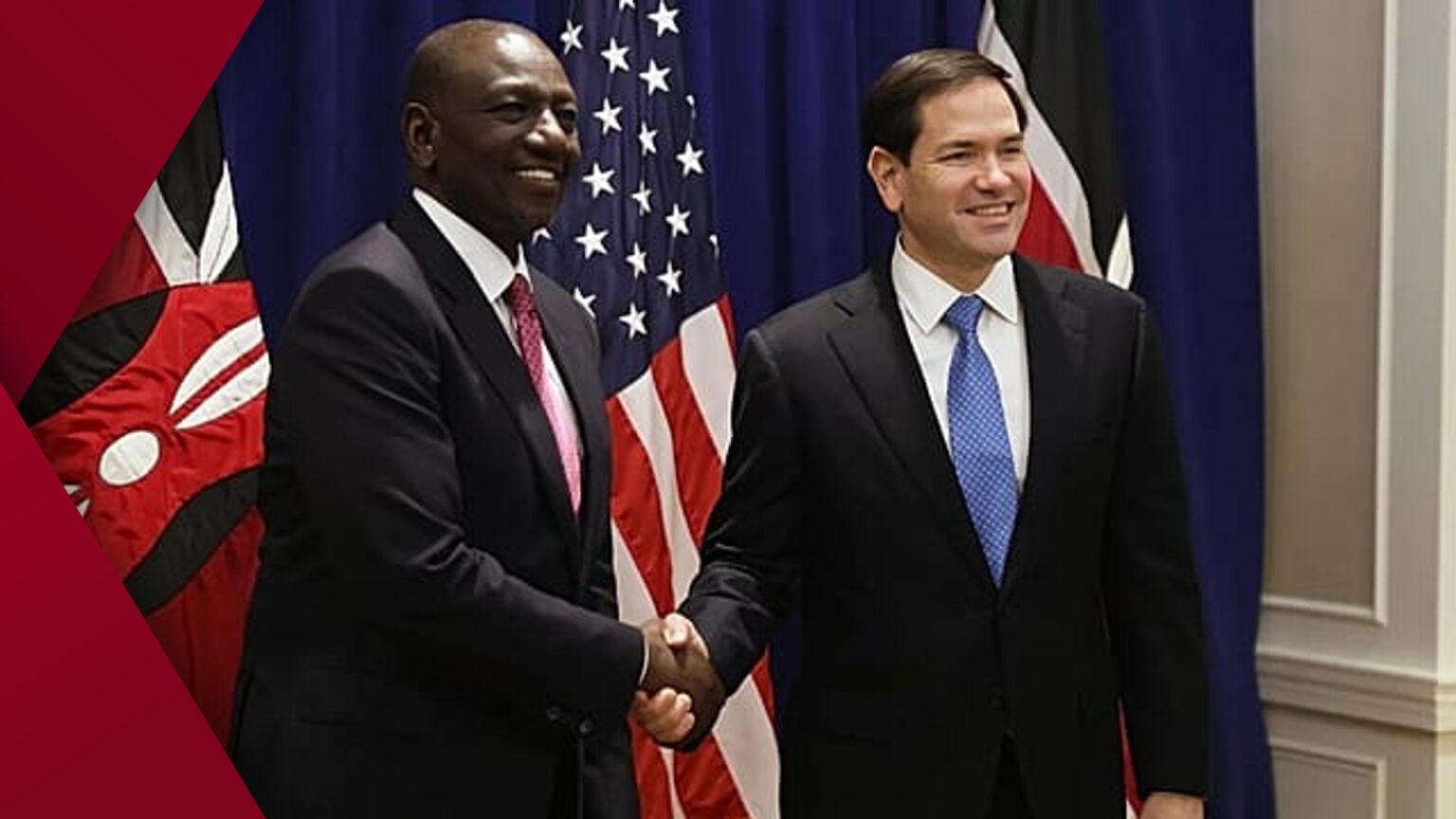
Nairobi, Kenya — In a landmark partnership, the United States and Kenya have embarked on a five-year, $2.5 billion health initiative, targeting the eradication of HIV/AIDS, malaria, and polio. This strategic agreement, which underscores the Trump administration’s “America First” approach to global health, marks a significant shift in how the US allocates its resources in the fight against infectious diseases.
The agreement, inked last week, stipulates that the US will provide $1.6 billion over the next five years, with Kenya contributing $850 million. This collaboration is not just a financial commitment but a strategic shift in the approach to global health. The funds are intended to bolster Kenya’s healthcare infrastructure and empower the Kenyan government to take the lead in managing health programs.
This initiative, which replaces previous USAID-led programs, signifies a move towards greater self-reliance for Kenya. The Kenyan government has vowed to increase its health spending by an additional $850 million over the next five years, underscoring its commitment to sustainable healthcare solutions.
The agreement’s focus on HIV/AIDS, malaria, and polio is significant. These diseases have long been major public health challenges in Kenya, and this partnership aims to address the root causes of these illnesses, from prevention to treatment and care. The inclusion of faith-based providers in the initiative is particularly notable, as they play a vital role in delivering healthcare services across the country.
Kenyan President William Ruto hailed the partnership as a demonstration of shared resolve to strengthen healthcare systems and achieve universal health coverage. “This agreement adds momentum to our administration’s goals for healthcare,” Ruto said, emphasizing the importance of a sustainable and robust healthcare ecosystem.
The “America First” strategy, however, has faced criticism from some quarters. Critics argue that the dismantling of USAID and the shift towards national governments could undermine the effectiveness of global health responses. Nonetheless, the agreement with Kenya is seen as a pilot project that could inform future collaborations.
Analysts predict that this partnership could have far-reaching implications for healthcare in Kenya and potentially serve as a model for other countries. The emphasis on strengthening the Kenyan government’s capacity to manage health programs is particularly innovative, as it aligns with the broader goal of self-reliance and sustainability.
In a region where infectious diseases remain a major concern, this agreement could not come at a more critical time. The commitment of both the US and Kenya to combat these diseases head-on is a testament to the power of international collaboration in the pursuit of global health security.
Source: Africa
Additional reporting by ImNews