Africa Newsroom — Nairobi, Kenya — On the occasion of World AIDS Day, UNAIDS is calling for a unified global response to combat HIV/AIDS, emphasizing the urgency of action, particularly in Africa where the disease remains a significant public health concern.
The call for unity comes amidst a significant setback in the global response to HIV, as a new UNAIDS report indicates. The report attributes this setback to a reduction in international funding and a lack of global solidarity, which have disproportionately affected low- and middle-income countries, including many in Africa.
Globally, 40.8 million people are living with HIV, and in 2024, there were 1.3 million new HIV infections. Alarmingly, 9.2 million people are not accessing treatment, and 570 new HIV infections occur every day among young women aged 15–24. This situation underscores the critical need for immediate action.
UNAIDS is urging global leaders to reaffirm their commitment to fighting and ending AIDS. This includes maintaining and increasing HIV funding, especially for countries that need it most. The organization also advocates for investment in innovation, such as affordable long-acting prevention methods, and the upholding of human rights to empower communities affected by HIV/AIDS.
“The global response to HIV has suffered its most significant setback in decades, largely due to a lack of funding and solidarity,” said Winnie Byanyima, Executive Director of UNAIDS. “We must act now to reverse this trend and ensure that everyone has access to the services they need to live a healthy life.”
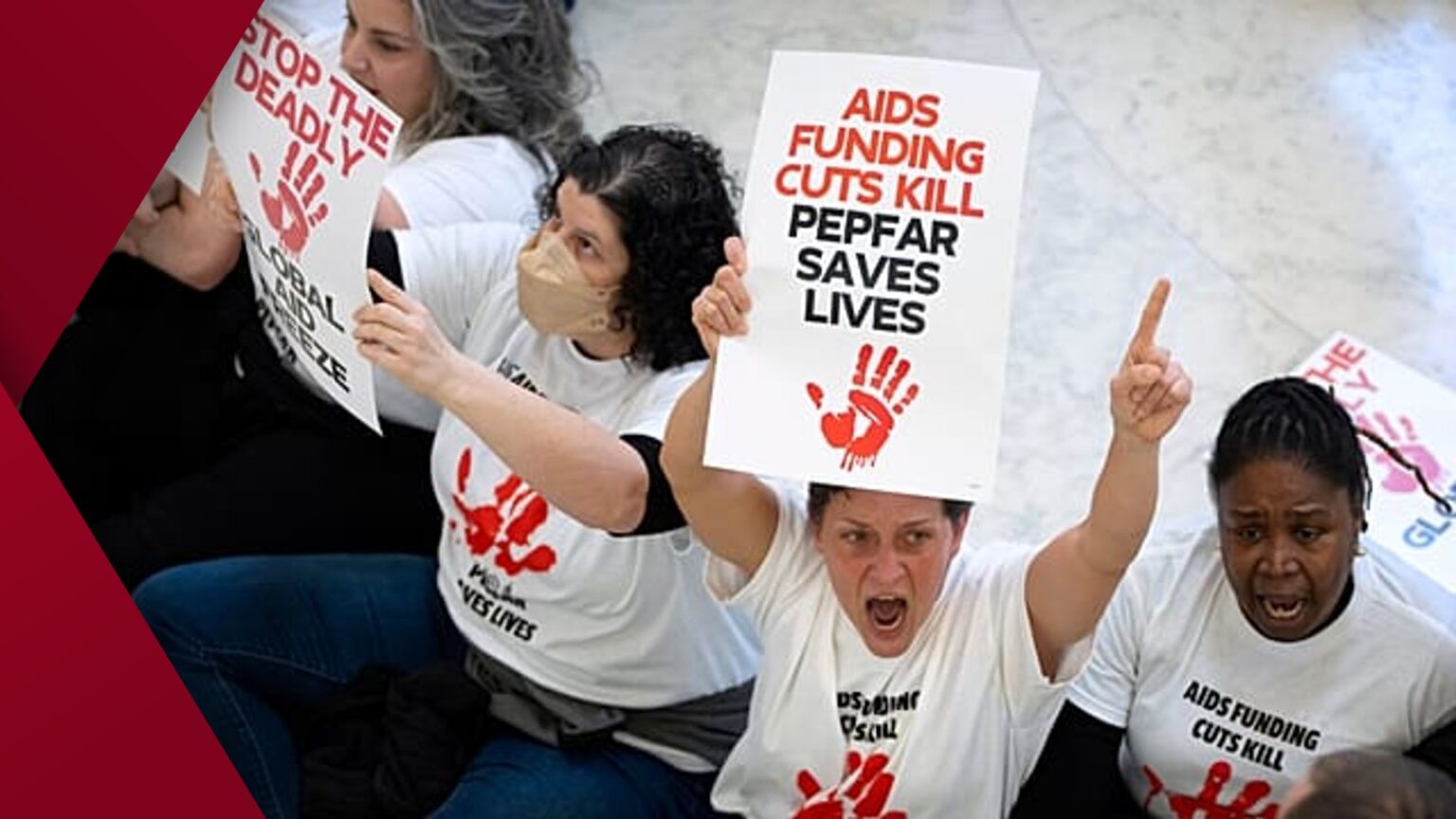
The funding crisis has been particularly acute, with projections estimating a potential 30-40% drop in external health funding in 2025 compared to 2023. This has disrupted HIV prevention and community-led services, particularly for the most vulnerable populations.
In Africa, where the disease is a major public health concern, the situation is dire. The continent bears a significant burden of the global HIV/AIDS epidemic, with high rates of infection and low rates of access to treatment.
“The theme for World AIDS Day 2025 is ‘Overcoming disruption, transforming the response,’ and it calls for a renewed effort to address the challenges we face,” said Dr. Matshidiso Moeti, WHO Regional Director for Africa. “We must come together as a global community to ensure that no one is left behind in the fight against HIV/AIDS.”
The call to action is clear: global solidarity, multilateralism, and a renewed commitment to fighting and ending AIDS are essential. The future of the HIV/AIDS response depends on it.
Source: Africa