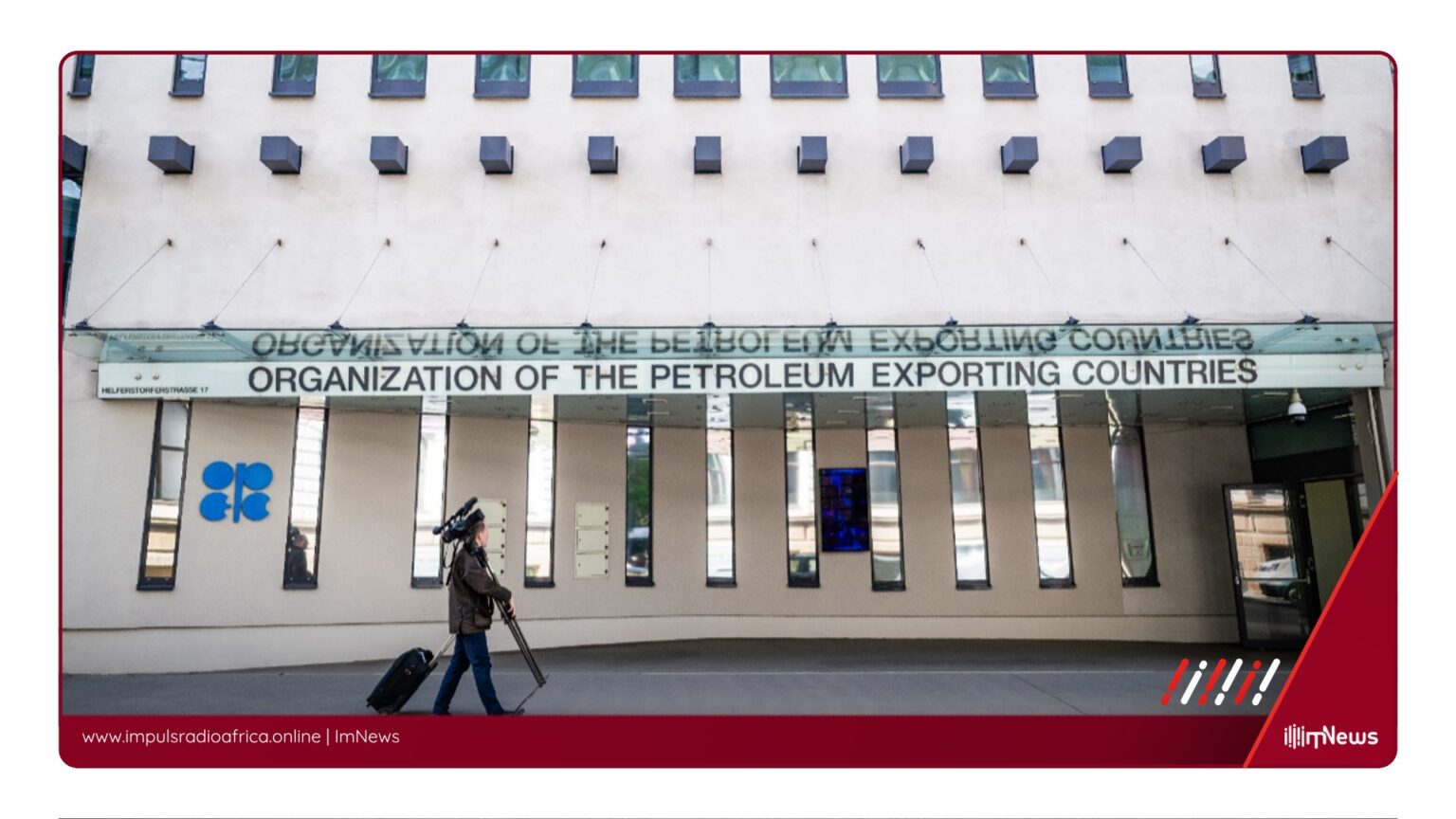
UAE’s OPEC Exit Poses Oil Revenue Threat to Africa. CITY, Country – The United Arab Emirates'(UAE) impending withdrawal from the Organization of the Petroleum Exporting Countries (OPEC) on May 1, 2026, threatens to disrupt oil markets and undermine the revenue streams of African nations.
The UAE’s decision to leave the alliance, which will remove an estimated 1. 2 billion barrels of annual crude output from OPEC’s coordinated supply system, has analysts concerned about the potential for greater market volatility.
The UAE, which produced an average of 3. 36 million barrels per day in 2025, accounted for roughly 12 per cent of the cartel’s total output. Energy economist Wumi Iledare suggests that the exit reflects deeper structural tensions within the broader OPEC+ alliance, with countries facing pressure to maximize output over adhering to collective restrictions.
Officials commented on the matter. “If this trend strengthens, OPEC’s ability to enforce discipline may gradually weaken.”For Nigeria, the implications are particularly stark.
The country faces a dual challenge in a less coordinated market, including the risk of falling oil prices and persistent domestic inefficiencies. “Our domestic underperformance, production shortfalls, high costs, and leakages limit our ability to benefit even when prices are favorable, “said Iledare. Muda Yusuf, chief executive of the Centre for the Promotion of Private Enterprise, believes the UAE’s departure is more likely to disadvantage Nigeria than create new opportunities. “.
The exit of the UAE is likely to weaken OPEC’s capacity to influence prices, “Yusuf. “.
The UAE is now free to sell as much crude as it wants, which may lead to a reduction in price.”Saul Kavonic, head of energy research at MST Financial, described the development as a potential turning point for OPEC. “This could mark the beginning of the end for OPEC as we know it, “Kavonic said citing the loss of both capacity and cohesion within the group.
The UAE’s decision to leave OPEC follows a strategic review of its long-term energy priorities and a desire to pursue greater production flexibility while maintaining a “responsible and reliable “role in global energy markets.
The move comes amidst heightened geopolitical tensions in the Middle East, particularly around the Strait of Hormuz, a critical chokepoint for global oil shipments. For African oil producers, the challenge now is to adapt to the changing dynamics of the global oil market and ensure that their economic interests are protected in the face of increased competition and market volatility.
As the UAE prepares to脱离 OPEC, African oil producers must brace for potential price fluctuations and increased competition, emphasizing the need for strategic planning and diversification to mitigate the risks associated with the global oil market’s shifting tides.
*Additional reporting by ImNews | Sources consulted: 5*
—
This original article was produced by the ImNews editorial team
Source: Africa.businessinsider
Source: Segun Adeyemi