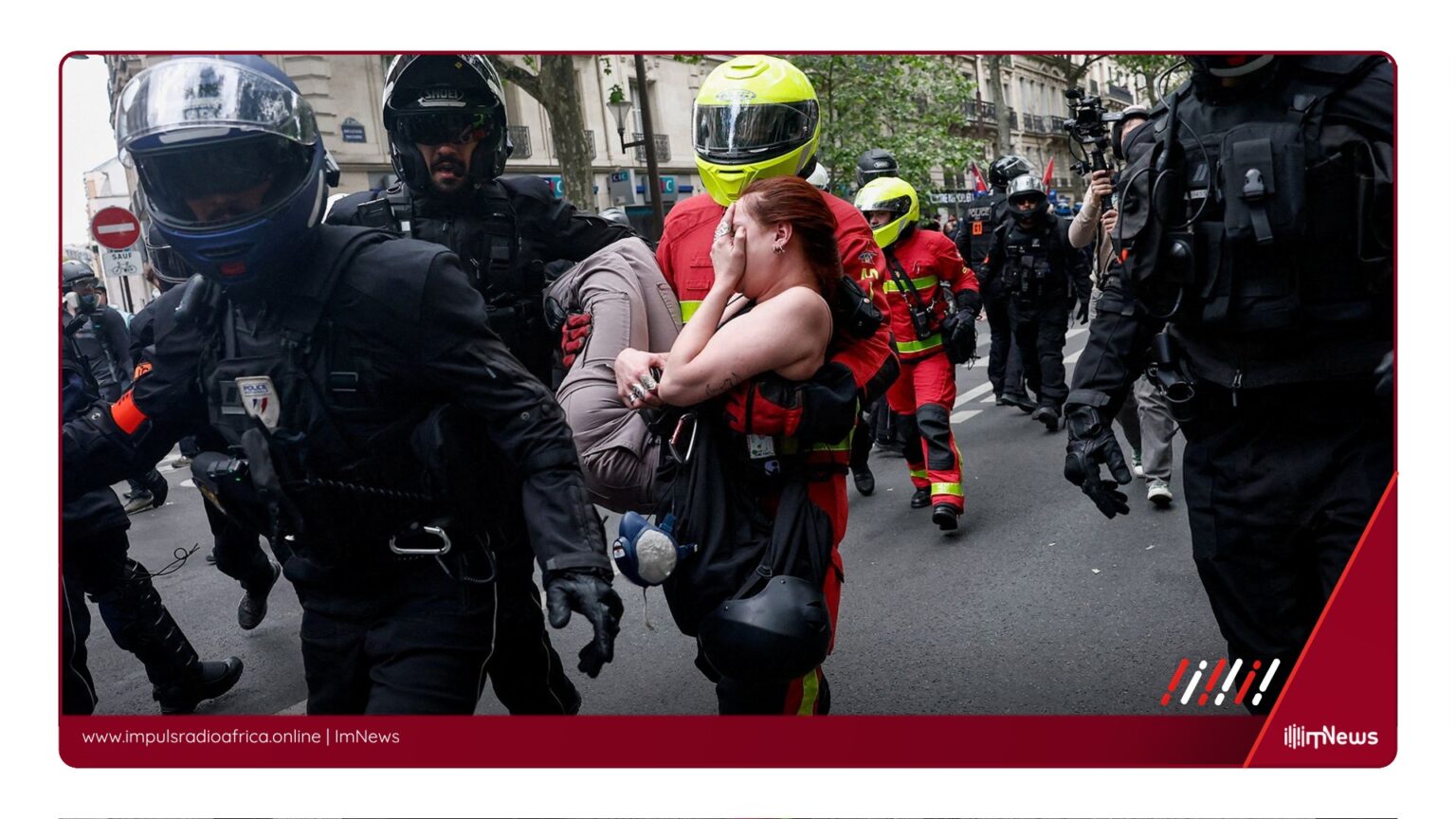
Global Workers Unite for International Labour Day Amidst Rising Costs and Political Tensions. Cape Town, South Africa — LEAD International Labour Day 2026 saw workers and trade unions from across the globe unite in protest, voicing concerns over economic hardships exacerbated by rising energy costs, stagnant wages, and the spillover effects of the US-Israeli war on Iran. Officials commented on the matter.
NUT GRAF: The day of action highlighted the urgency of addressing systemic economic inequalities and the pressing need for fair wages and labor rights.
In South Africa, the protests took on additional layers of significance, coinciding with calls for higher wages and opposition to proposed labor law amendments that could further erode workers’protections.
In South Africa, the International Labour Day celebrations were marked by large — scale gatherings across all provinces.
Protests emphasized the need for substantial wage increases and the rejection of the proposed Labour Laws Amendment Bill (2025), which critics argue could weaken workers’rights and collective bargaining power.
The South African government’s stance was represented by the Minister of Employment and Labour, Nomakhosazana Meth, who spoke of the nation’s workforce’s resilience and the importance of restoring dignity through opportunity and protection.
The global protests were also influenced by domestic economic crises and political tensions.
Unions highlighted issues such as high unemployment rates and the proposed labor law changes, which they believe could exacerbate the plight of workers.
The International Trade Union Confederation (ITUC) called for a system that serves the majority rather than the wealthy few, emphasizing the need for a fair distribution of wealth and power. Workers and activists from around the world expressed solidarity, demanding economic justice, fair wages, and an end to austerity measures.
The European Trade Union Confederation, representing 93 trade union organizations across 41 European countries, stated that working people refuse to pay the price for the Middle East conflict and that their jobs and living standards should not be destroyed.
The protests also had a global economic dimension, with concerns about the impact of the US — Israeli war on Iran and the resultant rise in energy costs. Josua Mata, leader of the SENTRO umbrella group of workers’ groups in the Philippines, noted the deep connection between the local crisis and the global economic situation.
Despite the widespread demonstrations, the question remains what specific actions governments will take in response to the workers’demands.
The long — term outlook for workers’rights and economic conditions in the countries affected by these protests is uncertain, with the potential for further social unrest and political tension. KICKER: As International Labour Day 2026 comes to a close, the world watches to see how the collective voice of workers will shape the future of labor rights and economic policies.
The strength of the global labor movement and the willingness of governments to address the pressing needs of their workforce will be crucial in determining the course of events in the coming months and years.
*Additional reporting by ImNews | Sources consulted: 5*
—
This original article was produced by the ImNews editorial team
Source: aljazeera