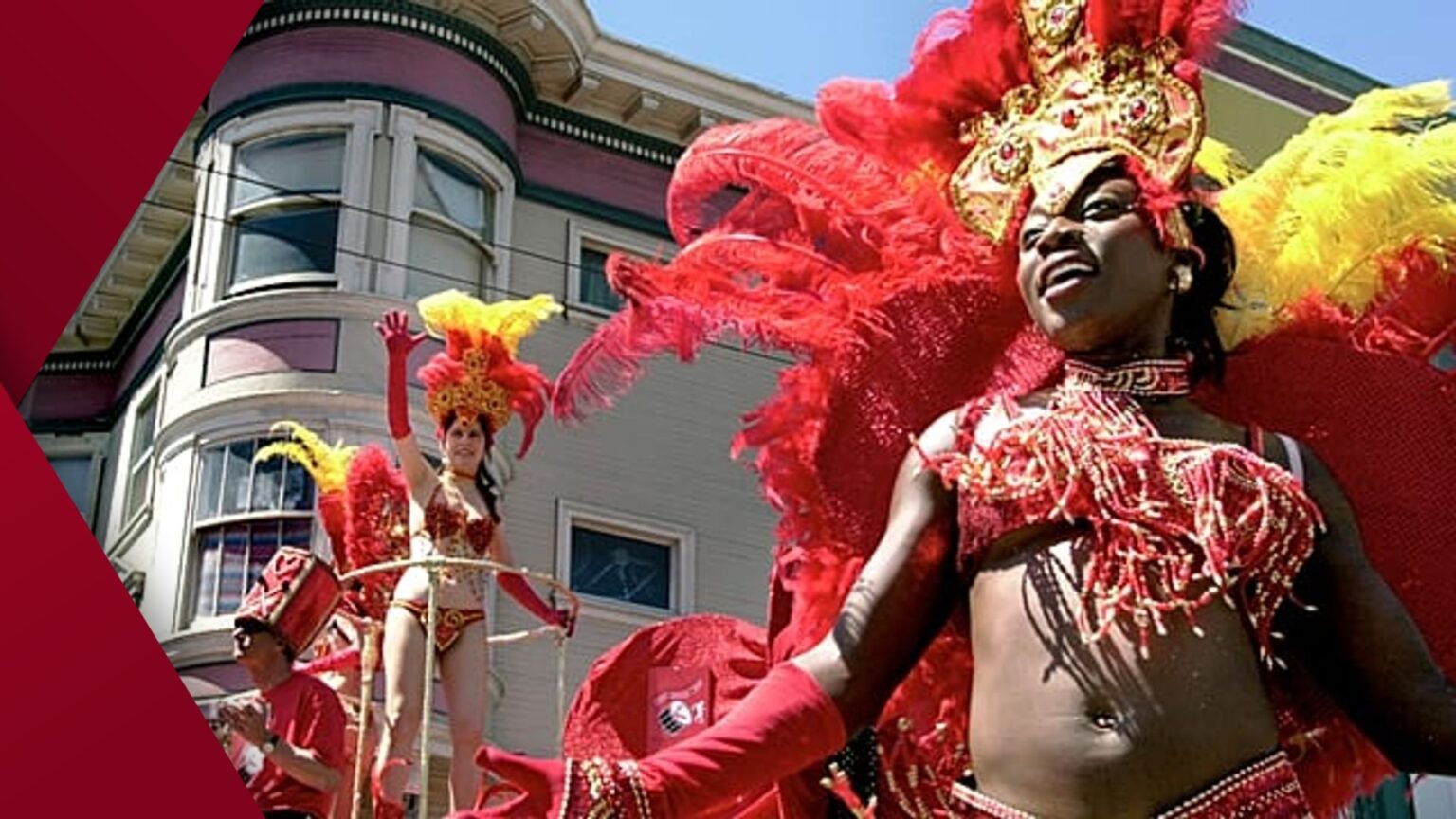
Thousands Gather in Southern Nigeria for Annual Calabar Carnival. Calabar, Nigeria — The city of Calabar recently hosted its annual street festival, drawing an estimated two million participants to the capital of Cross River State. Known as the Calabar Carnival, the event featured a wide array of musical performances, choreographed dances, and elaborate costumes that filled the streets of southern Nigeria throughout the month of December.
Official statements indicate that the latest edition of the festival operated under the theme “Traces of Time.”
The event, which has earned a reputation as a major cultural gathering on the continent, serves as a platform for both local celebration and international diplomatic presence.
According to local reports, the festival saw active participation from the ECOWAS community, alongside representatives from the embassies of Spain and Portugal.
Gabe Onah, the chairman of the carnival, stated that the involvement of international partners and regional bodies like ECOWAS highlights a return to historical roots and a focus on future cooperation. Onah noted that the event serves to honor past leadership while preparing for the growth of the region.
The inclusion of diverse international groups is intended to strengthen ties between Nigeria and the global community through cultural exchange.
Established in 2004, the carnival was originally envisioned as a way to transform Cross River State into a premier hub for tourism and hospitality. Over the past two decades, the gathering has grown from a local initiative into a recognized international event.
It is often referred to by attendees and organizers as a significant street party that provides a unique space for social bonding.
Participants at the event highlighted the community spirit and the opportunity for social reconnection. Joseph Eyo, who attended the festivities, described the season as a period dedicated to happiness and the strengthening of ties between friends and family members.
According to local sources, the festival’s atmosphere was defined by a sense of reunion and collective celebration.
The carnival concluded as a significant economic and cultural milestone for the region. While the immediate festivities have ended, officials indicate that the long-term goal remains the sustained development of the state’s tourism sector. Further details regarding the total economic impact and planning for future editions are expected.