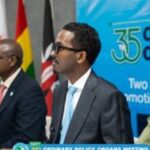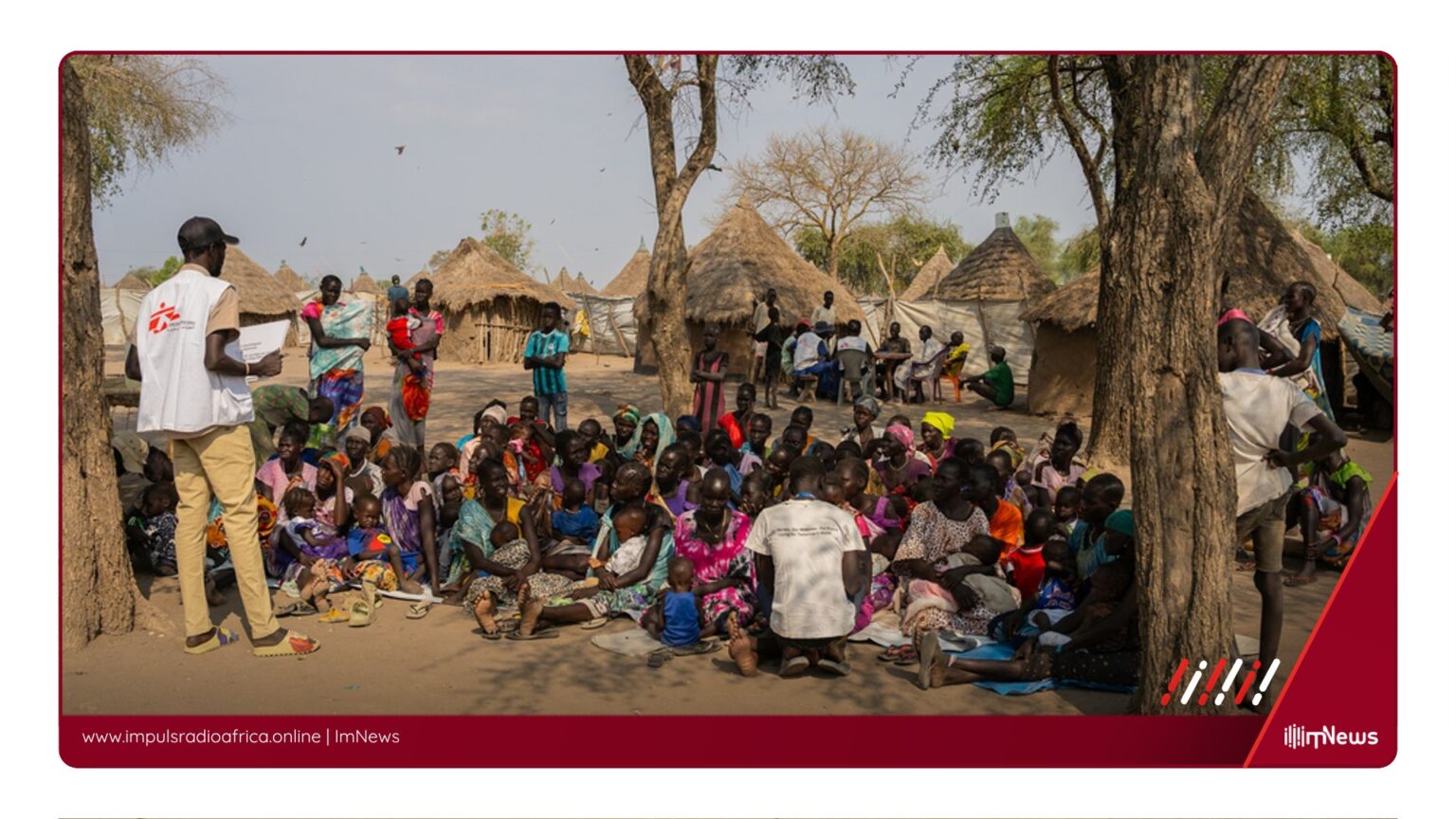
JUBA, South Sudan — Renewed violence in Jonglei State has led to one of South Sudan’s most severe humanitarian emergencies in recent years, displacing at least 286,000 people and pushing vulnerable communities closer to collapse, according to a senior United Nations official. Ted Chaiban, Executive Director of UNICEF, warned that the escalation has caused mass displacement, widespread family separation, and the destruction of essential services, placing thousands of children at extreme risk. The rapid influx of displaced persons has overwhelmed basic services and exacerbated the humanitarian strain, with some areas seeing populations surge from 6,000 to 30,000 in just two months.
UNICEF has registered at least 540 unaccompanied children who became separated during their escape from the violence. There are also reports of armed groups abducting others, and some families have lost children in the chaos of flight. Chaiban shared the devastating experiences of mothers who had lost children during their journeys to safety, emphasizing the personal and devastating nature of the crisis. “The women and children of South Sudan have done nothing to contribute to this escalation of violence, and yet they find themselves separated from their children, without shelter, with limited food, and no security, “he said after a visit to northern parts of the country.
The crisis is unfolding against a backdrop of already dire conditions across South Sudan. More than 2 million children are suffering from acute malnutrition, and 2. 8 million are out of school.
In Jonglei, access to food, clean water, healthcare, and education has been severely disrupted, with critical infrastructure heavily damaged. At least 28 health facilities have been looted or destroyed this year alone, including a primary healthcare center in Uror County, which has been left in ruins, cutting off lifesaving services for surrounding communities.
Humanitarian organizations, including Médecins Sans Frontières and Oxfam, are responding on the ground, but aid agencies say needs continue to far outpace available resources. UNICEF has delivered more than 200 metric tons of emergency supplies and is preparing to scale up its response, particularly in health, nutrition, and disease prevention, as the rainy season threatens to worsen conditions and limit access to affected areas. Despite the scale of the intervention, the agency warns that humanitarian assistance alone will not be enough, urging an immediate end to the violence and a renewed commitment to political dialogue. “.
No progress can be made without peace, “Chaiban. South Sudan, the world’s youngest nation since gaining independence in 2011, has endured repeated cycles of conflict, displacement, and humanitarian crisis, despite a 2018 peace agreement that raised hopes for stability.
Source: Panafricanvisions