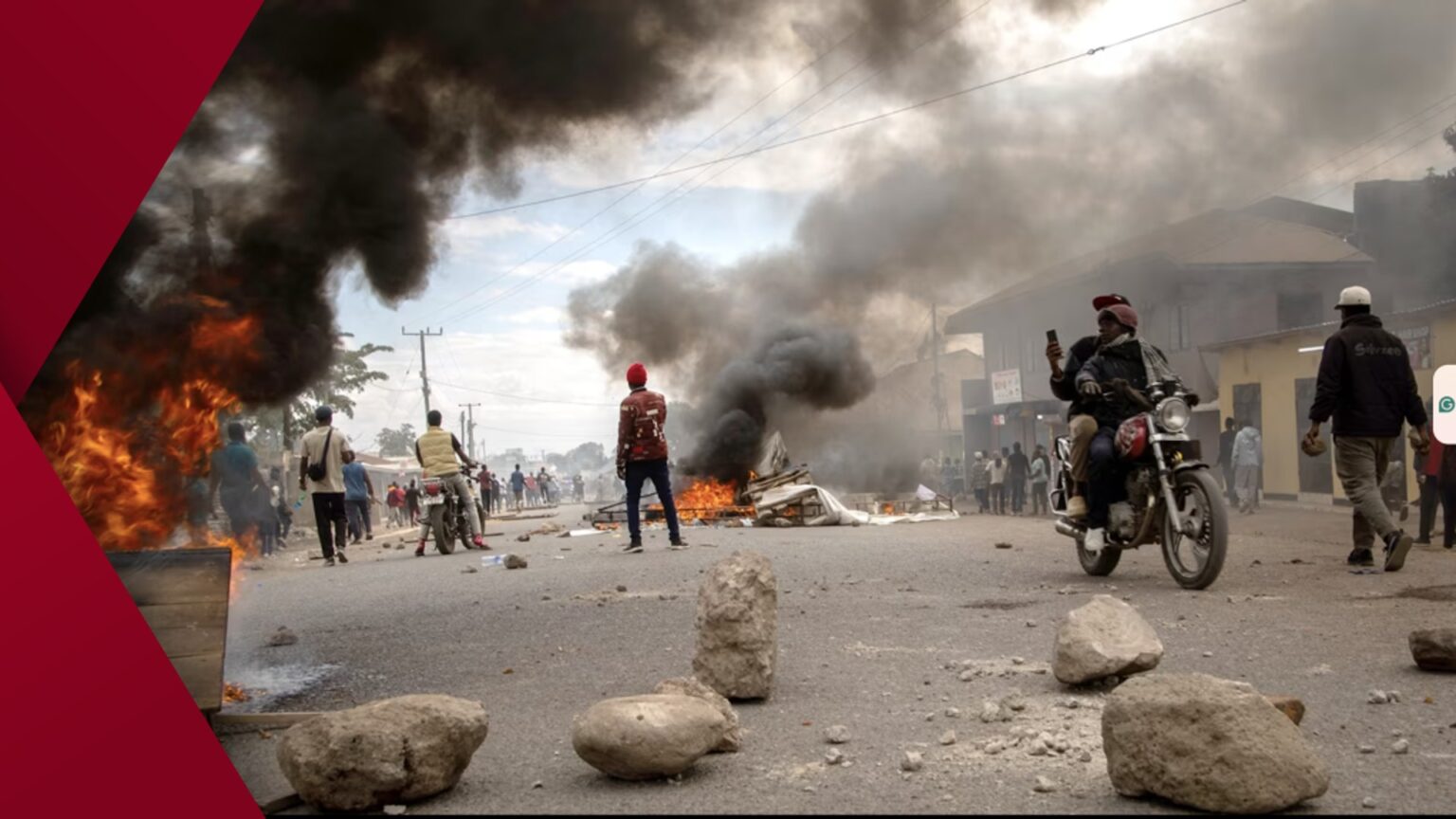
Tanzania at a Crossroads as Families Seek Truth After Amnesty’s Alarming Report. DAR ES SALAAM, TANZANIA — Amnesty International’s latest report has reignited tensions in Tanzania, focusing attention on the chaotic aftermath of the October 29, 2025, general election.
The report, published under the authority of Secretary General Agnès Callamard, accuses security forces of excessive use of force and covers-up, sparking a national and international debate over the events that unfolded in the wake of the election.
According to the report, security forces fired live ammunition and tear gas at unarmed demonstrators and bystanders, removed bodies from hospitals without notification, and left families in the dark about the fates of their loved ones. For many Tanzanians, these claims are all too familiar.
In cities like Dar es Salaam, Mwanza, Arusha, and parts of the southern highlands, the days following the election remain a source of deep anxiety and uncertainty.
In Dar es Salaam, a shopkeeper who asked not to be named recalls the night soldiers moved through the streets: “We heard gunshots where people were singing. After that, some people just disappeared. ” In Arusha, a mother searched for her adult son, last seen leaving home to join what he described as a peaceful protest.
“I went to hospitals, police stations, everywhere,” she said quietly. “No one tells you anything. You wait.
” Amnesty International’s Callamard described the alleged violence as “shocking and unacceptable,” calling for accountability beyond the officers on the streets. “No one should be above the law,” she.
The Tanzanian government, however, firmly rejects these claims.
Prime Minister Mwigulu Nchemba has repeatedly stated that the state acted to preserve peace and prevent chaos, accusing unnamed actors of inflating casualty figures and exploiting protests to destabilize the nation. President Samia Suluhu Hassan has echoed this position, urging both Tanzanians and the international community to view the unrest as a threat to national stability rather than a popular uprising crushed by force.
However, for many families, these assurances have done little to alleviate their pain and frustration.
Amnesty International has also raised serious doubts about the independence of the commission of inquiry appointed by the president, warning that accountability cannot be selective.
The organization has called for a transparent and credible investigation that leaves no stone unturned.
As the situation unfolds, regional bodies, including the African Union and SADC, have expressed unease about the conduct of the October election, citing restrictions on opposition participation, heavy security deployment, and limits on civic freedoms.
While their statements have not reached outright condemnation, they have reinforced concerns that the electoral environment failed to meet democratic standards. Tanzania now stands at a crossroads.
The country’s response to the Amnesty International report and the events of October 2025 will likely have significant implications both domestically and internationally.
For many Tanzanians, the hope is simple but profound: that the truth of those days will finally be told, and that justice will not be postponed forever. Further details are expected as the situation develops.