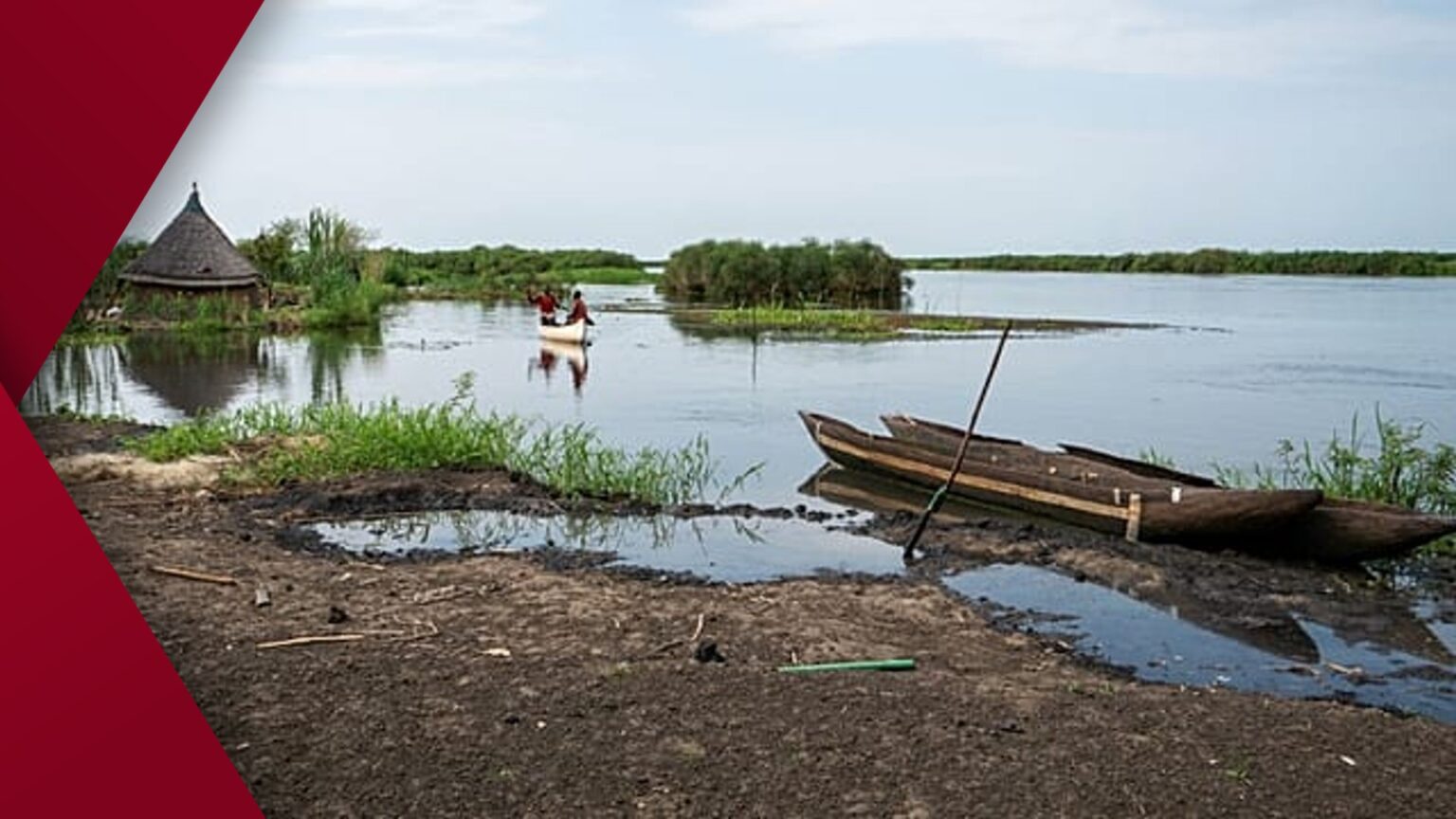
South Sudan’s Akuak Islands Residents Face Persistent Nile Floods. Jonglei, South Sudan — Families living on the Akuak islands in South Sudan are battling the relentless rise of Nile floods, adapting to a lifestyle that has become an existential struggle against water.
The Akuak, a Dinka community, have historically survived on fishing and maintaining their islands in the vast Nile swamp, known as toich in the Dinka language.
According to the Norwegian Foreign Policy Institute, South Sudan is a hotspot for flood risk, with its population highly exposed to seasonal riverine floods that have intensified in recent years.
The Institute’s researchers note that whereas flood waters traditionally receded during the November to January dry season, consecutive and record-breaking flooding has altered the landscape permanently. Climate experts suggest that higher sea-surface temperatures could lead to heavier rainfall in East Africa, potentially expanding the Sudd, Africa’s largest wetland, and stretching it further in South Sudan’s Nile floodplain.
The Akuak community, unlike others in Jonglei state, have adapted to this environment, having abandoned cattle farming in the late 1980s due to rising water levels. Chief Makech Kuol Kuany, the traditional leader of the Akuak, explained that they chose their land over their cattle and turned to fishing. Anyeth Manyang, a community member, recounted the tradition passed down by her parents: “When the water level rises, we use grass and soil to build these islands, and this is what we have been doing since I was born.”.
South Sudan is ranked the 7th most vulnerable country to climate change globally. This year alone, over 375,000 people were displaced by flooding, according to UNOCHA, the UN agency that coordinates aid for natural disasters.
The Akuak community is currently working to expand the spongy plant and clay platform that supports their homes, as climate change transforms their indigenous lifestyle into a battle against water.
Despite the challenges, some community members remain hopeful that the water levels will eventually subside, allowing them to recover dry land and resume crop cultivation. Chief Kuany is optimistic, recalling the historical flooding in the 1960s that lasted nearly a decade.
However, the past couple of years have been particularly challenging, with an estimated 2,000 Akuak people persevering on the islands.
Fishing remains central to the Akuak’s existence, providing sustenance for families and livestock.
As the Nile continues to flood, the Akuak’s resilience and adaptation to their environment are being tested, highlighting the broader impacts of climate change on vulnerable communities. Further details are expected as the situation develops.